
6 Best Hand Sanitizers For Clean Prep Surfaces
Keep your food preparation areas safe and hygienic. Explore our expert-reviewed list of the 6 best hand sanitizers for clean prep surfaces and shop today.
Maintaining a clean workspace is essential for any fiber artist, especially when working with high-end materials like hand-dyed silk, delicate lace-weight mohair, or undyed wool. Oils and residues from hands can easily transfer to light-colored fibers, potentially staining the yarn or attracting dust during long-term storage. Using a sanitizer on your prep table or desk ensures that every session begins with a sterile, neutral environment. Choosing the right product involves balancing effective bacteria removal with the need to protect your precious yarn from harsh chemicals.
Purell Advanced Gel: Best Overall Performance


Purell Advanced Gel stands as the industry standard for rapid, effective sanitization. Its high alcohol content ensures that surface bacteria are neutralized on contact, providing a reliable barrier against contaminants before beginning a project.
For those who frequently handle high-twist, smooth yarns like merino-nylon blends, this gel is ideal for wiping down table edges or cutting mats. It evaporates quickly, leaving no sticky residue that might snag on delicate filaments or cause unwanted friction during the cast-on process.
Be mindful that the high alcohol concentration can be drying to some surfaces if used excessively. Always wipe the area dry with a clean, lint-free cloth after application to ensure the surface remains pristine for your next session.
Germ-X Spray: Best for Quick Surface Wipes
Germ-X in spray form offers unparalleled convenience for a busy knitting desk. The spray mechanism allows for an even misting of large surface areas, such as a blocking board or a drafting table, without the need for manual rubbing.
If working on stranded colorwork where keeping your tension consistent is paramount, a clean surface prevents microscopic debris from shifting your focus. The spray formula is particularly useful for sanitizing measuring tools or project boxes that have been stored away.
While the spray is fast, avoid oversaturating porous surfaces like wooden table tops. Too much liquid can lead to warping or lifting finishes over time, so keep the application light and targeted.
Babyganics Foam: Best Alcohol-Free Option
Babyganics utilizes a plant-based formulation that avoids the harshness of high-concentration alcohol. This makes it a fantastic choice for makers who worry about chemical residue affecting sensitive natural fibers.
Because it is foam-based, it stays where it is applied, making it safer to use near delicate items like needle sets or project bags. The lack of harsh alcohols means there is less risk of stripping the finish off of bamboo or wooden crochet hooks if they accidentally come into contact with the cleaned surface.
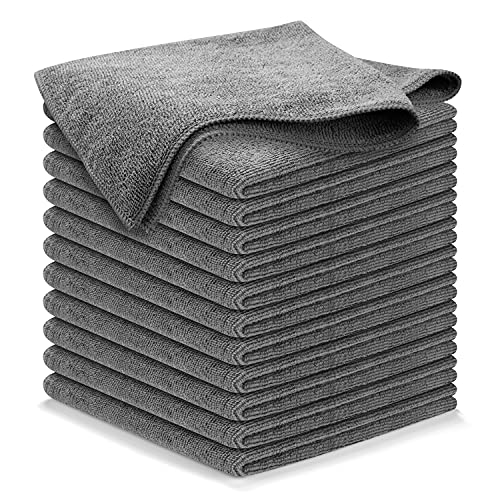
Keep in mind that non-alcohol sanitizers may require more physical wiping to achieve the same level of cleanliness. Use a microfiber cloth to ensure no product residue remains, as any lingering film could potentially attract dust to your work over time.
EO Lavender Spray: Best for a Pleasant Scent
The EO Lavender Spray brings a calming, natural aroma to the crafting space. For those prone to long hours of knitting or weaving, the scent can make the process of preparing a workspace feel more intentional and relaxing.
Scented products should be used with a degree of caution when working with raw or unwashed wool. Fibers can absorb odors, and while lavender is generally pleasant, it may be undesirable for someone who prefers to keep their wool in its natural, unscented state for final blocking.
If you enjoy the scent, use this spray primarily on hard surfaces like metal trays or glass desks. It creates a serene atmosphere while keeping your tools free from the oils that accumulate during a long afternoon of cabling or lace work.
CleanWell Botanical: Top Natural Disinfectant
CleanWell uses essential oils as its active disinfecting agent, offering a powerful alternative to synthetic chemicals. It is a robust choice for those who maintain a home-based studio and want to avoid harsh fumes.
This sanitizer is effective at cutting through the subtle grime that builds up on crafting surfaces after several weeks of intense project work. It is particularly gentle on the hands, which is a significant plus if you have sensitive skin and handle your tools constantly.
Because it relies on botanical oils, verify that it does not leave an oily streak on your workspace. Always buff the surface dry after cleaning, especially before laying out expensive items like hand-dyed silk or alpaca yarn that may be sensitive to oily residues.
ArtNaturals Unscented: Best for Fiber Purity
ArtNaturals Unscented is the preferred choice for those who are highly sensitive to fragrance or chemical additives. It provides a neutral slate, ensuring that the only thing you smell while working is the natural lanolin of your yarn.
When working with light-colored or white luxury fibers, the absence of dyes or scents in your cleaning products is a major advantage. You minimize the risk of color transfer or scent staining, which is critical when preparing for delicate projects like heirloom christening gowns or baby blankets.
This product is highly effective and simple to use. It delivers a clean, clinical workspace that won’t interfere with the integrity of your materials or the atmosphere of your studio.
Choosing a Sanitizer for Your Craft Space
Selecting the right sanitizer depends heavily on what material you work with most. Synthetic fibers are generally more resilient to alcohol-based cleaners, whereas natural, high-protein fibers like wool and silk require more caution to avoid chemical damage or odor absorption.
Prioritize products that dry quickly and completely. Moisture is the enemy of wood-based tools and natural fiber storage, so choose a formula that does not require heavy scrubbing or leave behind a lingering film.
Evaluate your desk material as well. Glass and metal are impervious to most sanitizers, while sealed wood or plastic may degrade if subjected to repeated, aggressive chemical cleaning.
Alcohol vs. Alcohol-Free: Which Is Better?
Alcohol-based sanitizers are superior for rapid, deep disinfection, as they kill bacteria quickly and evaporate without a trace. However, they can be harsh on skin and may cause cracking in certain finishes on needles or crochet hooks.
Alcohol-free options are generally safer for the materials in your workspace but may not offer the same level of anti-microbial protection. They are excellent for daily maintenance and light cleaning where heavy-duty disinfection is not strictly necessary.
Many experts maintain a mix of both. Use alcohol-based sprays for occasional deep cleans of hard surfaces and keep alcohol-free wipes or foams for quick, daily touch-ups of your immediate knitting area.
How to Clean Surfaces Without Causing Damage
Always apply the sanitizer to your cleaning cloth first, rather than directly onto the table surface. This prevents liquid from pooling in the seams of your desk or seeping into the grain of wooden surfaces, which could cause long-term structural issues.
Use lint-free, microfiber cloths for wiping. Paper towels can leave behind fine fibers that might get caught in your yarn or stuck in the tips of your needles.
Allow the surface to dry completely before placing your project back down. Even a small amount of residual moisture can cause “bloom” or staining if it reacts with natural wool dyes, particularly in hand-dyed yarns.
Sanitizer & Yarn Safety: What You Must Know
The golden rule is to keep all chemicals, including sanitizers, away from your yarn stash. Even if a product claims to be safe, it is not designed to come into contact with raw fibers.
Be particularly careful with essential oil-based products, as the oils can stain light-colored wool or silk. If your hands were recently sanitized, wait until they are completely dry before picking up your needles to avoid transferring any residue onto the fiber.
If you are a frequent traveler with your knitting, pack your sanitizer in a leak-proof secondary container. A spill in your project bag is a quick way to ruin a long-term knitting investment and destroy the finish of your favorite needles.
By choosing the right sanitizer and applying it with care, you create a professional-grade workspace that protects both your tools and your beautiful fiber projects. Whether you prioritize scent, speed, or pure cleanliness, there is an option that fits your specific crafting needs.

