6 Best Wool Detergents for Preserving Yarn Quality
Protect your knitwear with our top picks for wool detergents. Discover the best formulas to maintain fiber softness, prevent felting, and extend yarn life.
You’ve spent dozens of hours coaxing stitches into a sweater, only for it to lose its shape or feel scratchy after the first wash. Protecting your hand-knitted treasures requires more than just water; it demands a cleaning agent that respects the delicate scales of animal fibers. Using the wrong soap can strip away natural lanolin, leaving your yarn brittle and prone to breakage. This guide breaks down the best detergents to ensure your hard work stays soft, vibrant, and structurally sound for years to come.
Eucalan Delicate Wash: Best Overall for Wool Care
Eucalan is the gold standard for a reason: it’s a no-rinse formula that simplifies the post-knitting process. When you’ve finished a complex lace shawl, the last thing you want is to agitate the fibers under a heavy stream of water.
The inclusion of lanolin in the formula is the real game-changer. It acts as a natural conditioner, replenishing the oils that keep wool fibers supple and resistant to moisture.
Because it’s pH-neutral, you don’t have to worry about the chemical balance affecting your yarn’s colorfastness or fiber integrity. It’s an essential tool for any knitter who wants a reliable, low-effort wash day.
Soak Wash: Best No-Rinse Option for Hand Knits
Soak is perfect for those who find the traditional "rinse and repeat" cycle tedious and potentially damaging to delicate stitches. Its formula is designed to be gentle enough that leaving a trace behind actually helps the fiber hold its shape during the drying process.
The range of scents is a major draw, but the performance on delicate fibers is what keeps it in my stash. It lifts dirt and body oils without requiring vigorous rubbing, which is the quickest way to accidentally felt your project.
If you are washing a garment made of a blend, like merino and silk, Soak is incredibly effective. It cleans thoroughly while maintaining the distinct drape and sheen of high-end fibers.
Kookaburra Wool Wash: Best for Gentle Cleaning
Kookaburra is a tea-tree-based cleaner that excels at sanitizing wool without using harsh chemicals. It’s particularly effective if you’re working with raw wool or vintage yarn that needs a bit of extra help to smell fresh.
The tea tree oil acts as a natural deodorizer and keeps moths at bay, which is a massive plus for long-term storage. It doesn’t leave a heavy, waxy residue, making it ideal for fibers that you want to keep feeling light and airy.
It is a fantastic choice if you have sensitive skin and react poorly to synthetic fragrances. Just remember that because it is so gentle, it’s best used for regular maintenance rather than deep-cleaning heavy stains.
The Laundress Wool & Cashmere: Best for Luxury
When you’ve invested in high-end fibers like cashmere or yak, using a standard detergent feels like a risk you shouldn’t take. The Laundress offers a sophisticated, salon-quality clean that preserves the loft and softness of luxury yarns.
The formula is specifically engineered to protect the natural oils in expensive fibers, preventing that dreaded "pilling" that often happens when fibers are stripped and become brittle. It’s a bit of an investment, but for a heirloom sweater, it’s worth the price.
Use this for your most prized projects—those intricate colorwork sweaters or cable-heavy cardigans. It treats the yarn with the same level of care you put into every single stitch.
Orvus WA Paste: Best for Heirloom Fiber Projects
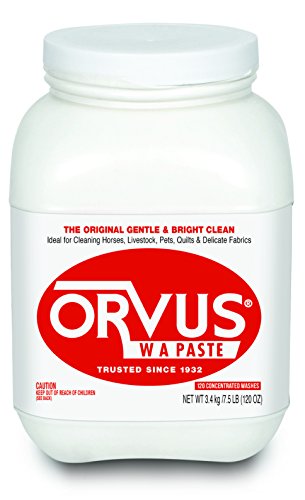

Orvus is a concentrated paste that has been a secret weapon in the fiber arts community for decades. It is incredibly potent, meaning a tiny amount goes a long way, and it is remarkably effective at removing stubborn spots.
Because it is a neutral synthetic detergent, it doesn’t leave behind the residue that some soap-based cleaners do. It is the go-to for restoring antique textiles or cleaning a project that has been sitting in a cedar chest for a decade.
Be careful with the dosage; it is powerful stuff. Always dissolve it completely in your water before adding your garment to ensure you don’t end up with a concentrated spot on your work.
Unicorn Fibre Wash: Best for Pre-Wash Treatment
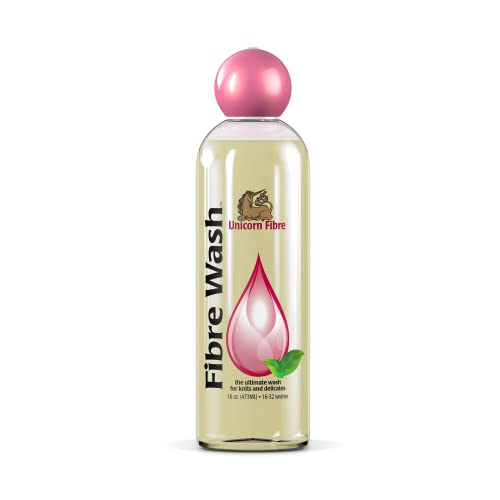
Unicorn Fibre Wash is a heavy-duty cleaner designed for when your project needs a serious refresh. It’s particularly useful if you are working with hand-dyed yarns that might have some excess dye sitting on the surface.

It helps to "set" the yarn and ensures that the fibers are clean and ready for blocking. If you’ve just finished a project and want to ensure no spinning oils or dye residue remain before you wear it, this is your best bet.
It’s a professional-grade product that respects the fiber while being aggressive on grime. It’s a staple for those who dye their own yarn or work with fleeces.
Why Specialized Wool Detergents Are Essential
Standard laundry detergents are packed with enzymes like protease, which are designed to eat through protein-based stains like grass or food. Since wool is also a protein fiber, these enzymes will literally begin to digest your knitting.
Regular detergents also have a high pH, which causes the scales on wool fibers to open up and interlock. This is exactly how accidental felting occurs, turning your perfectly gauged sweater into a stiff, shrunken mess.
Specialized wool washes are formulated to keep the fiber scales flat and smooth. This maintains the yarn’s natural elasticity and prevents the "itch factor" that comes from raised, damaged fiber ends.
Understanding pH Balance in Fiber Care Products
Wool is happiest in a slightly acidic or neutral environment, mirroring its natural state on the sheep. When you use a high-alkaline product, you strip the fiber of its protective lanolin and disrupt its structural integrity.
A pH-balanced detergent ensures that the yarn remains soft and resilient. If you’ve ever wondered why a store-bought sweater feels smooth while your hand-knits feel slightly "fuzzy" after a wash, it’s often a result of pH damage.
Always check the label for "pH neutral" or "wool safe" designations. It’s the single most important factor in keeping your hand-knits looking like they just came off the needles.
How to Properly Soak and Block Your Wool Knits
The secret to a professional finish is the "soak and squeeze" method. Fill your basin with lukewarm water and your chosen detergent, then gently submerge your garment, pressing it down to ensure the water penetrates the fibers.
Never wring your knitting; the mechanical action of twisting will permanently distort the stitch pattern and stretch the fabric. Instead, lay the piece flat on a clean towel, roll it up like a burrito, and press down to extract the excess moisture.
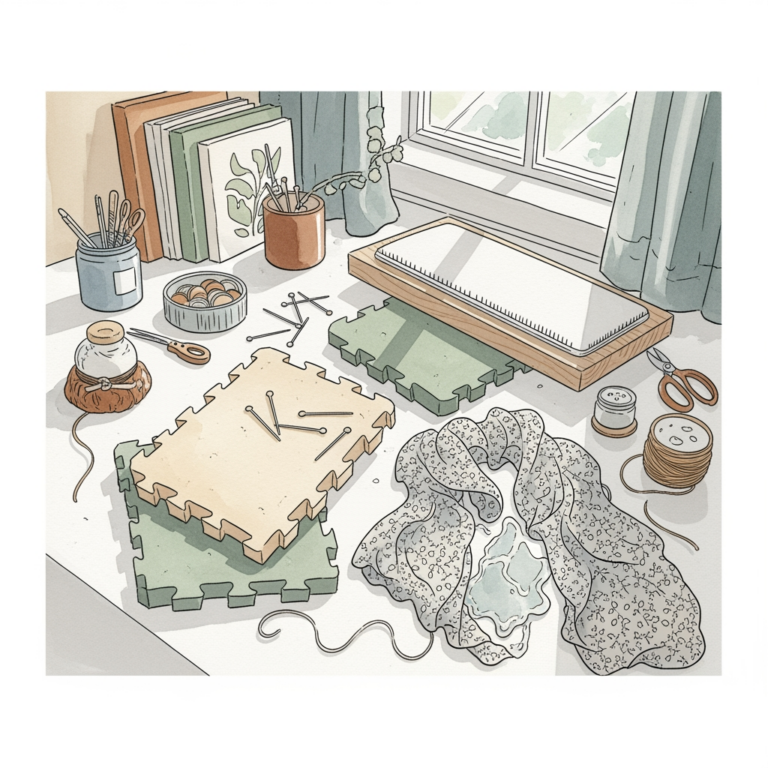
Finally, lay the piece flat on blocking mats, gently patting it into the correct dimensions. Use pins to hold the shape if you are working with lace, but don’t overstretch; let the fiber settle into its new, clean state naturally.
Common Mistakes When Washing Hand-Knitted Items
The most common error is agitation; even if you think you’re being gentle, rubbing or scrubbing will cause the fibers to felt. Treat your knitting like a delicate piece of silk, not a pair of denim jeans.
Another frequent mistake is using water that is too hot. Sudden temperature changes—going from hot wash water to a cold rinse—can shock the fibers and cause them to shrink instantly.
Finally, never hang your wet wool knits on a hanger. The weight of the water will pull the garment out of shape, leading to "shoulder bumps" and a distorted hem that no amount of re-blocking can fully fix.
Caring for your hand-knitted items is an extension of the craft itself, ensuring your time and effort endure for years. By choosing the right detergent and practicing gentle handling, you protect the unique character of every fiber you work with. Remember that a little patience during the wash cycle is the best insurance policy for your wardrobe. May your stitches stay soft, your colors stay vibrant, and your finished projects bring you joy for many seasons to come.