7 Best Hand Wash Detergents For Delicate Fibers
Keep your favorite clothes looking new with our expert guide to the 7 best hand wash detergents for delicate fibers. Read our top picks and shop with confidence.
The journey of a hand-knitted garment does not end when the final stitch is bound off. Choosing the right detergent is just as critical as selecting the perfect yarn weight or needle material for a project. Improper washing can strip natural oils, felt delicate fibers, or leave residues that attract moths over time. Use this guide to navigate the specialized cleaners designed to preserve the integrity of heirloom-quality knitwear.
Eucalan No Rinse Wash: Best Overall for Wool


Eucalan stands as a staple in the fiber arts community because it simplifies the blocking process without compromising fiber health. The inclusion of lanolin acts as a natural conditioner, which is essential for maintaining the elasticity of wool fibers after the stress of blocking.
Because this is a no-rinse formula, it prevents the over-handling of wet, heavy knits. When a sweater is waterlogged, it is at its most vulnerable to stretching and structural distortion. By skipping the rinse, the garment spends less time submerged and dries significantly faster.
The key to using Eucalan effectively is patience during the soaking phase. Allow the garment to sit for at least fifteen minutes to ensure the lanolin penetrates the fiber shafts.
- Best for: Heavier weight wools and colorwork sweaters.
- Bottom Line: It is the gold standard for routine maintenance that keeps wool supple and soft.
Soak Wash: Best Scented No-Rinse Option
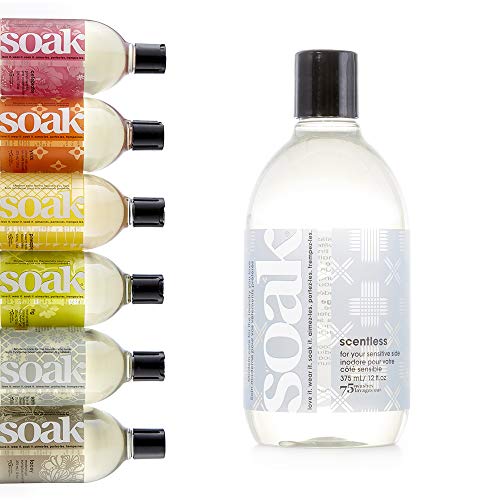
Soak Wash is engineered specifically for those who view laundry as an extension of their fiber care ritual. Its formulations are clean, leaving no dirt-attracting residue behind, which is vital for items that sit in long-term storage, such as shawls or formal lace pieces.
The primary appeal here is the variety of sophisticated, low-profile scents that do not overpower the natural aroma of high-quality wool. For those sensitive to fragrance, the unscented version performs with the same efficacy.
Because it is designed to be gentle on both hands and fibers, it is an excellent choice for frequent washing of delicate items like fingerless mitts or baby booties. Avoid the temptation to agitate the water too vigorously, as even the gentlest soap cannot prevent felting if the garment is physically stressed.
- Best for: Delicate lace shawls and items intended to be worn against the skin.
- Bottom Line: Choose this when the sensory experience of the finished garment matters as much as its structural longevity.
Kookaburra Woolwash: Best for Lanolin Care

Kookaburra uses a specialized formulation that aims to restore the protective properties of raw wool. It contains tea tree oil, which serves as a natural antimicrobial agent, helping to freshen pieces that may have been stored in cedar chests or plastic bins.
Many knitters mistakenly believe that “clean” means stripping the fiber bare. In reality, natural wool thrives when its moisture content is balanced, and Kookaburra excels at maintaining that equilibrium.
It is particularly effective for items that have begun to feel slightly scratchy or brittle. The restorative nature of the wash can breathe new life into older, vintage yarns that have lost their luster.
- Best for: Wool diapers, long-term storage prep, and rejuvenating tired knits.
- Bottom Line: Use this when the goal is deep restoration of the fiber rather than just surface cleaning.
Unicorn Fibre Wash: Best for a Deep Clean
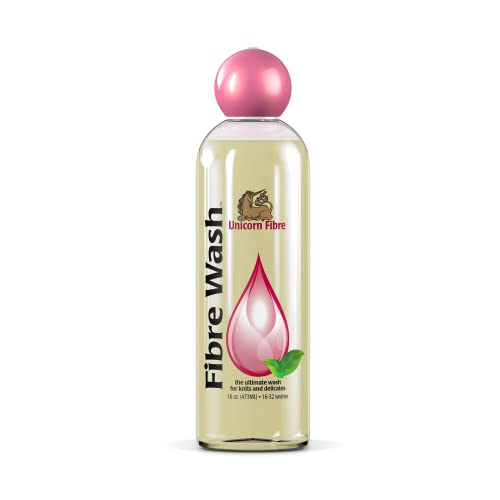
When a garment has been worn throughout a long winter or exposed to heavy outdoor elements, Unicorn Fibre Wash provides a more aggressive clean than standard delicate washes. It is specifically formulated to tackle body oils and environmental grime that settle into the deepest parts of a cable or twist.
Despite its cleaning power, the pH-balanced formula remains safe for animal fibers. It effectively lifts particulates without the need for harsh scrubbing, which is essential for protecting against pilling on high-friction areas like elbows and underarms.
If a project involves high-contrast colorwork or complex cables, this wash ensures that the depth of the stitches remains clear. It prevents the “fuzzing” effect that can obscure intricate textures over time.
- Best for: Heavily used garments and complex cable-knit sweaters.
- Bottom Line: A high-performance cleaner for when standard washes aren’t quite enough to handle accumulated soil.
Orvis Fine Fabrics Wash: Best for Silk Blends

Silk is a protein fiber that demands a much more neutral environment than standard wool. Orvis Fine Fabrics Wash is a top-tier choice for blends involving silk, bamboo, or alpaca, which often respond poorly to the heavy lanolin found in wool-specific detergents.
The formula is concentrated, meaning a small amount goes a long way. Over-soaping is a common mistake that leaves a tacky film on silk, which can attract dust and dull the sheen of the fiber.
Use this for luxury blends where the drape is the most important characteristic. It maintains the fluid movement of the yarn without making it feel limp or heavy.
- Best for: Silk-blend shawls, linen-cotton blends, and luxury plant-fiber garments.
- Bottom Line: The safest bet for non-wool delicates that require a delicate touch.
Forever New Powder: Best Granular Detergent

Forever New is a unique granular option that dissolves quickly in water to create an effective cleaning solution for both synthetic and natural fibers. Many knitters prefer a powder for its ability to target specific stains during a soak without the risk of an overly concentrated liquid detergent touching the fabric directly.
Because it is highly concentrated, it is a cost-effective solution for households that process a high volume of hand-knits. Ensure the powder is fully dissolved in the basin before the garment enters the water.
It is excellent for removing stubborn stains on light-colored yarns. Its rinse-heavy nature makes it a great choice for those who are skeptical of no-rinse formulas and prefer the “squeaky clean” feel of a traditional wash.
- Best for: Large collections of knitwear and high-volume laundry needs.
- Bottom Line: The preferred choice for knitters who trust a traditional rinse cycle over modern no-rinse options.
Woolite Delicates: Best Budget-Friendly Pick
Woolite Delicates is the most accessible option, appearing in almost every local grocery store. While it lacks the specialty additives found in high-end fiber washes, it is a balanced, gentle cleaner that avoids the harsh enzymes and bleaches found in standard laundry detergents.
It is a perfectly adequate solution for everyday items that are frequently washed and do not require specific conditioning properties. For beginner knitters practicing on acrylic or wool-blend yarns, this provides a reliable, low-cost path to garment care.
Avoid using this for extremely high-end or fragile fibers like cashmere or hand-dyed mohair, as it lacks the fiber-protecting additives that specialized washes provide. It is a workhorse, not a specialist.
- Best for: Everyday wear and affordable synthetic or wool-blend projects.
- Bottom Line: A solid, accessible choice for basic garment care when specialized soaps are unavailable.
How to Properly Hand Wash Your Precious Knits
Start by filling your wash basin with cool water, never hot, as heat is the primary catalyst for unintended felting. Mix your detergent thoroughly into the water before submerging the garment to prevent concentrated soap spots.
Gently submerge the knit, pressing it down into the water. Never wring or twist the fabric, as this causes the fibers to stretch and lose their memory. Instead, gently squeeze the water through the garment.
Once the soak is complete, lift the heavy, wet knit out of the basin, supporting it from underneath so the weight of the water does not pull on the seams. Lay it flat on a clean, dry towel and roll it like a jelly roll to remove excess moisture before placing it on a flat drying rack.
Rinse vs. No-Rinse: Which Wash Is Right?
The choice between a rinse and no-rinse formula depends entirely on the garment’s construction and the fiber’s needs. A no-rinse formula leaves a trace amount of conditioning agent—usually lanolin or a plant-based humectant—in the fiber, which helps it remain soft and resistant to elements.
Choose a no-rinse wash when the goal is to maintain the elasticity of wool. If a garment is destined for long-term storage, a rinse-required soap is often superior, as any residual soap can occasionally oxidize or attract insects if the climate is humid.
For complex items like lace, no-rinse options are superior because they minimize the handling of delicate, thin yarns that can easily snag or break when wet. Always prioritize the structural safety of the garment over the speed of the cleaning process.
Superwash vs. Natural Wool: A Washing Guide
Superwash wool has been chemically treated to remove the microscopic scales that cause felting, making it much more resilient to agitation. While it can often survive a spin cycle in a machine, hand washing remains the best way to preserve the shape of your hard-earned stitches.
Natural, non-superwash wool is highly reactive to heat and friction. When washing these fibers, you must be extremely careful to maintain a consistent water temperature, as a sudden shift from warm to cold can trigger “shock” that leads to shrinking.
Always check your yarn labels before starting the wash. If the fiber is natural, un-treated wool, your standard for care must be significantly higher. When in doubt, err on the side of caution: use cool water, a gentle fiber wash, and flat drying.
Selecting the right detergent is an investment in the longevity of your craft. By matching the cleaning product to the specific fiber and project needs, you ensure that every row of knitting retains its beauty for years to come. Regardless of the brand chosen, the consistent application of gentle, informed care is what truly separates a disposable garment from a cherished heirloom.