6 Best Fabric Detergents For Delicate Linens
Keep your heirloom fabrics looking brand new. Discover the 6 best fabric detergents for delicate linens and protect your favorite pieces. Read our guide today.
Fine fibers demand a level of care that standard supermarket detergents simply cannot provide. Whether maintaining the drape of a hand-knit lace shawl or preserving the luster of a heirloom linen tablecloth, the choice of cleaning agent directly impacts fiber longevity. Harsh chemicals strip natural oils and degrade delicate protein structures, leading to brittle, lackluster textiles over time. Selecting the right wash is an investment in the thousands of hours spent at the needles.
The Laundress Delicate Wash: Best for Silk & Lace


This formula excels because it targets protein-based fibers without the use of harsh bleaching agents. When dealing with luxury fibers like silk or high-twist merino lace, maintaining the integrity of the individual filaments is paramount.
The neutral pH of this detergent prevents the fibers from becoming stiff or losing their characteristic sheen. It is particularly effective for intricate projects where high-contrast colorwork or delicate yarn overs could be compromised by stronger cleaning agents.
If a project involves expensive hand-dyed yarns, this wash is a reliable choice for minimizing the risk of bleeding. The bottom line remains simple: for items that require the gentlest touch, this detergent serves as a gold standard in textile care.
Soak Wash Unscented: Best No-Rinse Formula
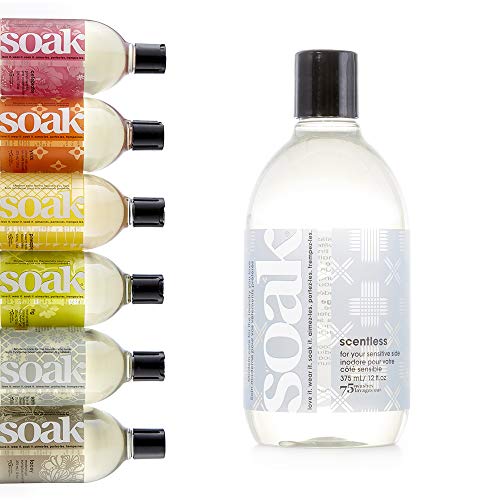
Knitting demands time, and the finishing process often feels like the final hurdle. A no-rinse formula like Soak significantly reduces the amount of agitation a finished garment experiences during the blocking process.
Excessive handling during rinsing can lead to unwanted felting or the distortion of stitch patterns. By eliminating the rinse cycle, fibers retain their shape, and the risk of stretching a damp, heavy garment is drastically reduced.
This product is ideal for blocking large items like sweaters or blankets where moving the piece under running water risks misshaping the fabric. Simply submerge the item, let it sit, and squeeze out the excess moisture to achieve a perfect block.
Eucalan Fine Fabric Wash: Best for Wool & Cashmere

Eucalan is formulated with lanolin, a natural oil found in sheep’s wool that helps restore the fiber’s original resilience. For knitters working with premium cashmere or untreated highland wool, this replenishment is essential for maintaining a soft, lofty hand.
The inclusion of lanolin acts as a conditioner, preventing the fibers from becoming dry or static-prone. It also provides a slight natural defense against moths, an added benefit for high-value knitwear stored over the summer months.
Because it leaves behind a protective barrier, it is best reserved for wool-based projects. Using it on synthetic blends or cotton can occasionally lead to a slight residue, so keep this detergent strictly for protein-based fibers.
Heritage Park Silk & Wool: Luxury Detergent Choice

Heritage Park focuses on a concentrated, professional-grade formula that is free of the enzymes that can sometimes damage animal fibers. Many commercial detergents contain protease, an enzyme designed to break down protein stains, but which will eventually degrade the silk or wool itself.
By opting for an enzyme-free cleaner, the structural integrity of the yarn is preserved for years rather than just a few washes. This makes it an excellent choice for heirloom-quality garments that see frequent wear.
While the price point is higher, the concentration means that only a small amount is required per load. For anyone who has invested significantly in high-end materials, this represents a logical choice to protect that investment.
Tide Free & Gentle Liquid: Budget-Friendly Option
Not every project requires a specialized, high-cost detergent. For everyday linen napkins, cotton kitchen towels, or heavy-duty utilitarian knits, a fragrance-free commercial option is often perfectly adequate.
The primary advantage here is accessibility and consistency. Because it is free of dyes and perfumes, it won’t irritate sensitive skin, which is a major consideration for garments worn directly against the body like cowls or hats.
However, note that it lacks the fiber-conditioning properties of specialized wool washes. Use it for your sturdier, hard-wearing projects, but consider graduating to a fiber-specific soap for your delicate lace or fine alpaca pieces.
Le Blanc Linen Wash: Specifically for Fine Linens

Fine linen requires a wash that can clean deeply without stripping the natural pectin that gives flax fiber its signature crispness. Le Blanc is engineered specifically for this purpose, removing dirt and oils while maintaining the fiber’s natural structure.
Linen can become dull or lose its inherent luster if exposed to aggressive, high-pH detergents. This wash keeps the fibers supple, ensuring that your table runners and heirloom linens continue to drape beautifully rather than becoming limp or gray.
If you have spent months working on a linen-blend project, this is the safest route to prevent the fabric from feeling thin. It ensures the longevity of both the fiber and the effort invested in the creation.
How to Choose the Right Detergent for Your Linens
Selecting the correct detergent comes down to identifying the fiber content of your project. Protein fibers like wool, silk, and alpaca require specific, pH-balanced washes that do not contain degrading enzymes.
Plant-based fibers like cotton, linen, and bamboo are more robust but still benefit from gentle cleaners to prevent fraying and color fading. Always check the fiber tag before selecting your wash.
- Wool/Cashmere: Choose a wash with conditioning agents like lanolin.
- Silk/Fine Lace: Choose a neutral pH, enzyme-free formula.
- Linen/Cotton: Choose a gentle cleanser that preserves fiber luster.
If you are unsure of the fiber content, err on the side of caution with a gentle, pH-neutral delicate wash. Never use standard “heavy duty” detergents on hand-knits, as the brighteners and enzymes will permanently alter the look and feel of the yarn.
Understanding Enzymes in Your Fabric Detergent
Enzymes are biological catalysts added to detergents to break down specific types of stains like food or perspiration. Protease, amylase, and cellulase are common, but they operate by actively digesting organic materials.
For a knitter, this is a major warning sign. Since wool and silk are organic proteins, a protease enzyme will treat your fiber exactly like a food stain and begin to break it down.
Over time, this results in thinning areas, holes, and a loss of elasticity. If your favorite sweater seems to be developing small, inexplicable holes despite being stored safely, the culprit is almost certainly an enzyme-heavy detergent.
Hand Washing vs. Machine Washing Delicate Items
Hand washing is almost always the safer choice for hand-knits and fine linens. It allows you to control the agitation level and ensures the item is not subjected to the mechanical stress of a spin cycle or the friction of a drum.
If you must machine wash, always use a mesh laundry bag. This creates a barrier between your delicate fibers and the drum of the machine, preventing snagging or stretching.
Use the “delicate” or “hand-wash” cycle, which typically features lower water volumes and reduced agitation. Never skip the mesh bag, especially if your item has buttons, zippers, or intricate lace edges that could catch on other laundry.
Tips for Storing and Preserving Your Linens
Storage is as important as the cleaning process itself. Ensure every item is completely dry before putting it away, as even a small amount of residual moisture can lead to mildew and rot in natural fibers.
Avoid plastic storage bins, which can trap humidity and encourage fiber degradation. Instead, use breathable cotton bags or acid-free tissue paper to protect your pieces.

Keep your linens in a cool, dark, and dry environment. Sunlight is a primary cause of fiber weakening and color fading, so keep those hard-won projects out of direct contact with windows or high-heat areas.
Proper care is the final, essential step in the life cycle of a knitted project. By choosing the right detergent and handling your pieces with respect, you ensure that your work remains a legacy for years to come.