7 Best Blocking Boards For Circular Lace Doilies
Discover the top 7 blocking boards for circular lace doilies. Learn which materials ensure precise shaping and professional results for your delicate projects.
Blocking is the final, transformative step that turns a crumpled, tight piece of lace into an open, airy masterpiece. When working with circular doilies, having the right surface is the difference between a symmetrical heirloom and a lopsided mess. These seven boards offer varying levels of support, grid precision, and durability for your delicate projects. Choosing the right one depends on your space, your budget, and the scale of the lace you enjoy most.
Knitter’s Pride Lace Blocking Mats: Best Overall


These mats are the industry standard for a reason, offering a perfect balance of firmness and pin-retention. They are dense enough to hold T-pins securely without the board feeling like it’s crumbling under the tension of heavy wool fibers.
The interlocking puzzle design allows you to expand your workspace as your doily grows. Whether you are blocking a tiny coaster or a massive tablecloth, you can simply add more tiles to accommodate the diameter.
The surface is treated to be water-resistant, which is essential when you are pinning out a soaking wet piece of lace. The bottom line: These are a reliable investment for any lace knitter who wants a modular system that lasts for years.
Clover Soft Blocking Mats: Best for Delicate Lace

Clover mats are noticeably softer and more forgiving than traditional foam tiles. This makes them an excellent choice if you are working with extremely fine, gossamer-weight lace that might snag on harder surfaces.
Because the material is slightly more pliable, it is very easy to insert pins at an angle. This is a huge advantage when you need to create a specific "pull" on a picot edge without the pin popping back out.
However, keep in mind that the softness means they can show wear faster if you use thick, heavy-duty pins. Use these when your project requires a gentle touch and you want to ensure the fibers remain pristine.
Boye Blocking Board Set: Best Budget-Friendly Pick

If you are just starting your lace journey, the Boye set is a functional, no-frills entry point. It provides a dedicated workspace that is often more cost-effective than buying multiple packs of high-end interlocking tiles.
It is lightweight and easy to store, which is perfect for knitters with limited craft room space. You can tuck it away in a closet or slide it under a bed when it isn’t in use.
The tradeoff is that it lacks the modularity of larger systems, so it is best suited for smaller circular doilies. If you’re a beginner testing the waters of lace knitting, this board offers everything you need to get started without breaking the bank.
ArtBin Foam Blocking Tiles: Best for Large Doilies
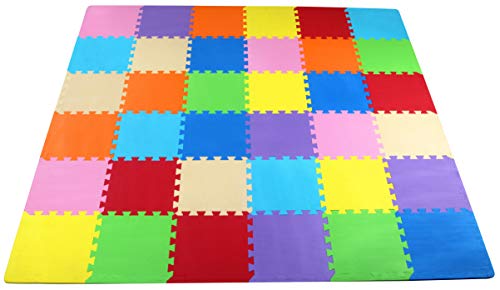
ArtBin tiles are remarkably thick and provide a substantial base for heavy lace projects. When you are blocking a large circular doily, you need a surface that won’t warp or lift at the edges under the tension of the pins.
These tiles are incredibly sturdy, making them ideal for knitters who block frequently and need equipment that can handle heavy-duty use. The surface texture is also excellent for keeping your work from sliding around while you are in the middle of pinning.
Because they are so robust, they take up a bit more storage space than thinner mats. Choose these if you prefer to block large-scale projects and prioritize a stable, immovable foundation.
Susan Bates Knit Chek Board: Best Compact Option
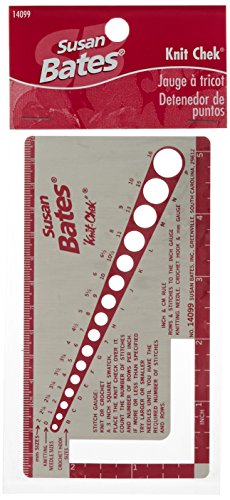
The Susan Bates board is a classic tool that has been around for decades. It is small, portable, and specifically designed for those who don’t have a dedicated table to leave a project on for days at a time.
It is particularly useful if you are working on a small, intricate doily and need to keep your tension very precise. The surface is firm, which helps in maintaining the exact shape of your circular lace.
It isn’t meant for large shawls, but for a 10-inch doily, it is a perfect, compact solution. This is the ideal companion for knitters who need a portable station for quick, small-scale blocking.
Beadsmith Macrame Board: Best for Circular Pins

While technically designed for macrame, this board is a hidden gem for lace knitters, especially those working on circular designs. The surface is marked with precise grid lines and circular guides that make centering a doily incredibly easy.
The material is self-healing, meaning it doesn’t leave large holes behind after you remove your T-pins. This keeps the board looking clean and functional even after years of use.
The grid layout is much more sophisticated than standard foam mats, offering radial lines that help you ensure your doily is perfectly round. If symmetry is your biggest challenge, the visual guides on this board are a total game-changer.
Mindful Collection Blocking Mats: Best Durability
The Mindful Collection mats are designed with longevity in mind. They are made from a high-density material that resists indentation, meaning your pins will stay exactly where you put them, even after hours of tension.
These mats feature a beautiful, calming aesthetic, but the real value is in their structural integrity. They are thicker than most standard mats, providing excellent protection for the surface underneath from moisture.
They are an investment piece, but they are built to withstand the rigors of a prolific lace knitter. Pick these if you want a premium surface that looks professional and holds up to years of heavy blocking.
Essential Features for Circular Blocking Boards
When choosing a board for circular lace, you need to look for specific characteristics that cater to radial symmetry. The most important feature is a non-slip surface; if your board slides on your table, your doily will never be perfectly round.
- Pin Retention: The foam must be dense enough to hold a T-pin at an angle without slipping.
- Water Resistance: Since lace is blocked wet, the material should not absorb water or warp.
- Modularity: For circles, being able to rearrange tiles into a square or a long strip is vital.
- Grid Clarity: Visible, accurate markings help you measure the diameter of your doily from the center point.
Avoid boards that are too porous, as they tend to crumble over time and leave little bits of foam in your delicate lace fibers. Prioritize high-density materials that offer a firm, consistent resistance to your pins.
Why Grid Markings Matter for Precision Blocking
Grid markings aren’t just for decoration; they are the primary tool for achieving perfect symmetry in a circular doily. Without a center point, it is incredibly easy to accidentally stretch one side of the lace more than the other.
By aligning the center of your doily with the center of the grid, you can count the squares to ensure every point of your lace is equidistant from the middle. This is crucial for lace patterns that rely on repeating motifs.
If your board doesn’t have a grid, use a tape measure to mark the center and radiating lines with a fine-point permanent marker. Precision at the start of the blocking process prevents the "wavy" edges that occur when tension is uneven.
Tips for T-Pinning Lace Without Damaging Fibers
Always use stainless steel T-pins to avoid rust, which can permanently stain delicate lace fibers. When pinning, insert the pin at a 45-degree angle pointing away from the center of the doily.
This creates a "lock" that prevents the lace from pulling the pin out as it dries and shrinks slightly. Be careful not to pierce the yarn itself; instead, aim for the center of the open lace loops.
If you are blocking a very delicate fiber like silk or fine mohair, consider using a small piece of parchment paper between the pin and the yarn. The goal is to provide tension without putting direct, crushing pressure on the individual strands of your yarn.
Blocking is an art form that requires patience, the right tools, and a bit of practice to master. Whether you choose a modular foam system or a specialized grid board, the goal remains the same: to reveal the beauty of your stitches. Take your time, pin carefully, and always ensure your doily is fully dry before removing the pins. With the right board by your side, your circular lace projects will finally reach their full, stunning potential.