7 Best Plastic Trays For Drying Dyed Fiber To Use
Drying dyed fiber requires proper airflow. We review the 7 best plastic trays to prevent mold, ensure even drying, and keep your workspace clean and organized.
When you’ve spent hours hand-dyeing a beautiful skein of Merino or Corriedale, the drying process is the final, critical step in preserving your fiber’s integrity. Improper drying can lead to felted patches, uneven tension, or the dreaded smell of mildew that ruins a project before it even hits the needles. Choosing the right tray is about more than just finding a flat surface; it’s about managing airflow and moisture wicking. These seven options represent the gold standard for keeping your hand-dyed treasures in pristine condition.
Sterilite 16-Quart Clear Storage Box for Drying


If you are just starting your dyeing journey, you likely have a few of these clear bins tucked away in your craft room already. Their primary advantage is the sheer surface area, which allows you to spread out a skein of wool without overlapping the yarn, preventing uneven drying times.
Because they are clear, you can easily inspect the underside of your fiber to ensure moisture isn’t pooling at the bottom. However, since the plastic is solid, you must be diligent about rotating the fiber every few hours to prevent damp spots.
The bottom line? These are an affordable, accessible choice for small batches, provided you have the patience to manually turn your fiber to encourage even evaporation.
Rubbermaid Commercial Food Grade Bus Box Review

These boxes are built to withstand the heavy-duty environment of a professional kitchen, which makes them surprisingly durable for the dye studio. Their high walls provide a secure environment, ensuring your drying fiber doesn’t accidentally tumble onto a dusty floor.
Because they are made from high-density polyethylene, they are incredibly easy to sanitize between dye sessions. This is a significant benefit if you frequently switch between acid dyes and natural mordants, as you don’t want cross-contamination affecting your next batch of yarn.
While they lack built-in ventilation, their sturdy construction makes them a reliable, long-term investment for the serious fiber artist.
Cambro Polycarbonate Camwear Flat Drying Tray
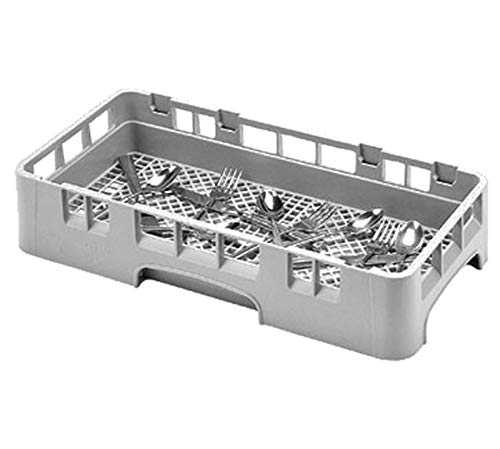
When you need a professional-grade solution, the Cambro line is the industry standard for a reason. These trays are exceptionally rigid and won’t warp under the weight of a heavy, water-saturated wet wool sweater or a large batch of roving.
The material is crystal clear and remarkably slick, which is ideal because it doesn’t snag delicate fibers like some cheaper, textured plastics might. If you are drying fine lace-weight yarn, you won’t have to worry about the tray surface catching on a loose ply.
It is a premium choice, but the durability and non-stick surface make it worth the extra cost for those who dye professionally.
Iris USA Plastic Modular Stackable Drying Bin

Space is often the biggest constraint in a home studio, and these modular bins are a lifesaver for the knitter with limited square footage. You can stack them vertically, allowing you to dry multiple colorways simultaneously without turning your dining table into a permanent dye lab.
The modular design allows for a degree of airflow between layers, though you should still ensure the room itself has good circulation. These bins are lightweight, making them easy to move even when fully loaded with wet fiber.
These are perfect for the organized dyer who wants to maximize output without sacrificing their entire living space.
Winco Heavy Duty White Plastic Perforated Tray

Perforation is the secret weapon for anyone tired of constantly flipping their yarn to avoid damp, stagnant patches. These trays allow air to circulate directly through the bottom of the fiber, which is a massive help when drying dense, high-twist yarns that tend to hold water.
Because the air can reach the underside of the fiber, your drying time is significantly reduced. This is crucial for preventing the fiber from sitting in a damp state for too long, which is the primary cause of fiber degradation and unwanted odors.
If you are tired of the "flip and rotate" routine, these perforated trays are the ultimate upgrade for your workflow.
Vollrath Super Pan V Perforated Plastic Tray

Vollrath’s design is engineered for structural integrity, meaning these trays won’t bow or sag even when loaded with heavy, soaking wet wool. This rigidity is essential for keeping your fiber flat and preventing it from bunching up in the center.
The perforations are precisely placed to maximize airflow without compromising the tray’s strength. This keeps your fiber suspended slightly, ensuring that moisture evaporates from all sides simultaneously.
This is a high-performance tool that bridges the gap between a hobbyist’s setup and a professional production studio.
Carlisle StorPlus Food Storage Drying Container
These containers are designed with a unique corner-venting system that is surprisingly effective for fiber arts. They are deep enough to hold a large volume of fiber while still allowing for a surprising amount of airflow around the edges.
They are also stackable and nestable, which makes storage a breeze once your fiber is dry and ready to be wound into cakes. Their thick walls hold up well to the occasional accidental bump or drop on a concrete studio floor.
For the knitter who values versatility and space-saving design, the Carlisle container is a top-tier contender.
Key Features to Prioritize When Selecting Trays
When evaluating a tray, always look at the material’s surface texture first. A smooth, non-porous surface is essential because it prevents dye residue from clinging to the plastic, which could potentially stain your next, lighter-colored project.
Consider the following factors before you commit to a purchase:
- Perforation: Does the tray allow air to pass through the bottom?
- Rigidity: Will it warp when holding a heavy, wet skein?
- Size: Does it fit your specific skein length without excessive folding?
- Stackability: Can you grow your setup as your dyeing hobby expands?
Remember, the goal is to create an environment where moisture can escape as quickly as possible. Avoid trays with deep, narrow corners where water can pool and create a breeding ground for bacteria.
Why Proper Airflow Matters for Drying Dyed Fiber
Airflow is the invisible variable that dictates the quality of your finished yarn. If fiber sits in a stagnant, humid environment, the moisture remains trapped in the core of the yarn, which can lead to a dull, "felted" texture even if you haven’t agitated the wool.
Effective airflow ensures that the fiber dries uniformly from the inside out. This is particularly important for high-twist plied yarns, which are notorious for hiding moisture deep within their structure.
By prioritizing airflow, you maintain the natural loft and bounce of your fiber, ensuring it feels as soft on your needles as it did when it left the dye pot.
Essential Tips for Preventing Mold and Mildew
Mold is the enemy of every knitter, and it can take hold in as little as 24 hours if conditions are right. Always ensure your drying room has a fan running to keep the air moving; stagnant air is the primary catalyst for mildew growth.
If you notice a damp, musty smell, your fiber is staying wet for too long. Try these strategies to speed up the process:
- Use a fan to create consistent, gentle air movement.
- Place trays in a room with low humidity or run a dehumidifier.
- Never pack fiber tightly; give each skein or lock of wool room to breathe.
- Rotate your fiber every few hours if you are using a non-perforated tray.
Ultimately, your nose is your best tool; if the fiber doesn’t smell fresh, it isn’t dry enough to store. Never store dyed fiber in a bin until it is 100% bone dry to ensure your hard work stays in perfect condition for years to come.
Investing in the right drying trays is a small change that yields massive improvements in the quality and longevity of your hand-dyed fiber. By managing airflow and choosing materials that support your process, you protect your investment and ensure your future projects are a joy to knit. Take the time to set up a proper drying station, and your yarn will thank you with every stitch. Happy dyeing, and may your fibers always dry perfectly flat and fresh.