6 Best Knitting Scissor Sets For Precision Cutting
Discover the 6 best knitting scissors for clean, precise yarn cuts. This guide evaluates durability and ergonomic design to help you refine your craft toolkit.
Every knitter knows the frustration of a blunt blade fraying a delicate strand of hand-dyed silk or mohair. Precision cutting isn’t just about aesthetics; it is about protecting the integrity of your yarn and the finish of your final garment. Whether you are weaving in ends or snipping a lifeline, the right tool makes the difference between a clean edge and a ragged mess. Here are six standout options to keep in your project bag for professional-grade results.
Gingher 4-Inch Featherweight Embroidery Scissors


These are the gold standard for many long-term knitters, known for their iconic, double-plated chrome finish. They feel substantial in the hand without adding unnecessary bulk to your notions pouch.

The precision-ground blades are exceptionally sharp, making them ideal for the surgical-style cutting required when grafting stitches or trimming mohair. Because they are lightweight, they won’t cause hand fatigue during long sessions of finishing work.
However, they are precision instruments that demand respect. Avoid using them to cut paper or wire, as this will quickly compromise the fine point you rely on for delicate yarn work.
LDH Scissors Midnight Edition Thread Snips Set
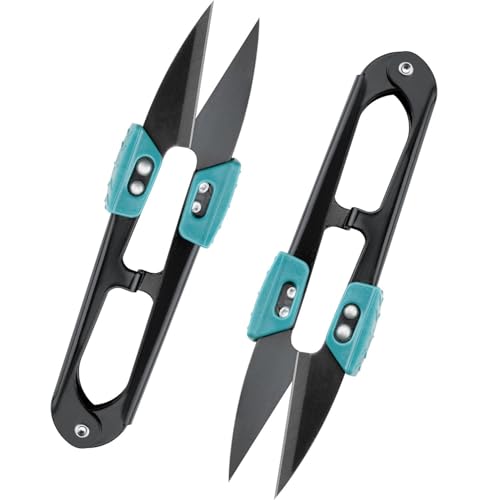
If you prefer a modern aesthetic combined with high-carbon steel performance, this set is a fantastic choice. The matte black finish isn’t just for show; it offers a non-slip grip that is helpful when your hands are tired after a day of knitting.
These snips are designed for quick, repetitive cuts, which is perfect when you are working on colorwork projects with many ends to weave in. They offer a smooth, spring-loaded action that snaps back instantly for the next snip.
Because they are made from carbon steel, be mindful of humidity. A quick wipe with a dry cloth after use will prevent rust and keep the action buttery smooth.
Havel’s Sewing 4.5-Inch Precision Fabric Snips

Havel’s has built a reputation on their serrated blade technology, which is a game-changer for slippery fibers. If you’ve ever struggled to cut smooth bamboo or rayon yarns that slide away from standard blades, these will solve that problem.
The micro-serrations grip the yarn, ensuring a clean, one-snip cut every time. This prevents the "chewing" effect that often happens with cheaper scissors, which can lead to unsightly fuzzy ends on your finished project.
They are particularly excellent for knitters who work with high-twist yarns that tend to untwist the moment they are cut. These snips hold the tension perfectly until the blade passes through.
Merchant & Mills Traditional Tailor’s Snippers
There is a tactile satisfaction in using a tool that feels like a piece of history. These traditional snippers are forged from high-quality steel and feature a classic, no-nonsense design that has been used by tailors for generations.
They are incredibly durable and lack the delicate springs that can eventually fail on other models. They are best suited for knitters who appreciate a heavier tool that stays firmly in place on their side table.
Because they rely on the tension of the metal itself, they offer a very direct, mechanical feedback. They are a "buy once, use for a lifetime" investment for the serious maker.
Cohana Seki Mini Scissors with Leather Case

These are the ultimate companion for the traveling knitter. Hailing from the Seki region of Japan—famous for its sword-making heritage—these mini scissors are surprisingly sharp despite their tiny stature.
They come with a beautiful, protective leather case, making them the safest choice for throwing into a project bag alongside your circular needles. You don’t have to worry about them snagging your yarn or poking a hole in your knitting bag.
While they are small, they are not toys. They provide the surgical precision needed for trimming ends on fine lace projects where you don’t want to accidentally clip a neighboring stitch.
Westcott Titanium Bonded Micro-Tip Craft Snips

For those who want a tool that can handle a bit more abuse, Westcott’s titanium-bonded blades offer superior hardness and corrosion resistance. These are perfect for the "utility" knitter who might need to cut through a bit of ribbon or plastic stitch markers alongside their yarn.
The micro-tip allows for deep reach into tight spaces, such as when you need to snip a yarn tail hidden deep within a complex cable pattern. The ergonomic handle design is specifically engineered to reduce strain on the thumb and forefinger.
They are a fantastic mid-range option that balances professional-grade sharpness with everyday durability. If you are prone to losing your tools, these offer high performance at a price point that is easier to replace.
Why Sharp Scissors Are Essential for Fiber Arts
A dull blade is the enemy of a clean finish. When you use blunt scissors, you are essentially tearing the fibers rather than slicing through them, which leaves behind a frayed, uneven end that is prone to pilling.
In natural fibers like wool or alpaca, clean cuts are vital for secure weaving. A frayed end is more likely to work its way out of the fabric over time, potentially compromising the structural integrity of your garment.
Sharpness also dictates your efficiency. When you are finishing a sweater with hundreds of ends, having to "saw" back and forth with a dull blade is not only frustrating but also slows your momentum significantly.
How to Maintain Your Scissors for Clean Cutting
The cardinal rule of knitting scissors is simple: never cut anything other than yarn or fabric. Paper, wire, and even thick cardboard can dull the fine edge of a blade in a single pass.
Keep your scissors clean and free of lint. Yarn fibers, especially fuzzy ones like mohair or angora, can build up in the pivot point and cause the blades to misalign or become stiff.
If you notice your scissors are starting to "fold" the yarn rather than cut it, it’s time for a professional sharpening. While you can maintain them at home with a light oil, don’t attempt to sharpen precision blades yourself unless you have the proper tools.
Choosing Between Thread Snips and Full Shears
Thread snips are designed for speed and convenience, usually operated with a simple squeeze of the fingers. They are perfect for the "snip-and-go" style of working on a project where you are constantly trimming small bits of yarn.
Full shears, by contrast, offer more leverage and control for larger cutting tasks. If you are cutting yardage for a project or trimming heavy-weight wool, the extra length of a full shear blade provides a more stable, controlled cut.
Most knitters eventually find they need both. Keep a pair of snips attached to your project bag for on-the-go work, and keep a pair of high-quality shears at your primary knitting station for blocking and finishing.
Essential Cutting Tools for Every Knitting Bag
A well-stocked knitting bag should always contain a dedicated pair of scissors that never leaves that bag. This simple habit prevents the "where are my scissors?" panic that strikes just as you are ready to bind off.
Consider the weight of your tools. If you carry your knitting everywhere, opt for lightweight, compact options like the Cohana or the Gingher 4-inch shears.
Finally, always prioritize safety. If you travel, ensure your scissors have a sheath or a design that prevents them from opening unexpectedly. A sharp pair of scissors is a knitter’s best friend, but only when they are under your control.
Investing in quality cutting tools is a direct investment in the longevity and appearance of your hand-knit garments. By selecting a pair that matches your specific project needs and maintaining them with care, you ensure that every cut is clean and intentional. May your ends always be short, your tension be even, and your blades stay sharp for years to come.