6 Best Twine Cutters For Craft Room Efficiency
Streamline your crafting workflow with our expert review of the 6 best twine cutters for craft room efficiency. Find your perfect tool and shop our top picks now.
Fumbling for scissors in the bottom of a project bag while trying to manage a delicate lace cast-off is a frustration every maker knows well. A dedicated twine cutter minimizes the time between finishing a row and securing a tail, keeping the momentum of a project flowing smoothly. These tools are far more than mere accessories; they are the gatekeepers of a tidy craft room and an efficient knitting workflow. Selecting the right cutting tool depends on the weight of the fiber and the environment in which the knitting happens.
Clover Thread Cutter Pendant: Best for Portability
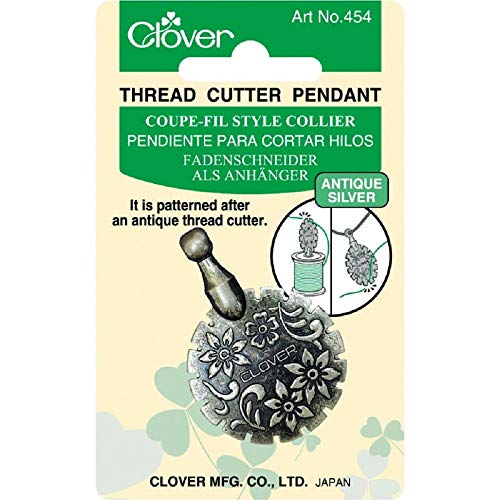

The Clover Thread Cutter Pendant disguises a sharp, circular blade within a stylized necklace design. It provides an instant cutting solution for knitters who find themselves switching colors during stranded colorwork or finishing socks on the go.
Because the blade is encased within the pendant, it offers a high degree of safety compared to loose scissors. The lack of an exposed point means it will not snag on wool fibers or scratch delicate project bags.
However, the fixed nature of the blade means it is intended primarily for lighter weights of yarn. It is an excellent choice for fingering or sport weight yarns, but attempting to saw through thick, plied worsted wool can quickly dull the internal blade.
Fiskars Ultrasharp Thread Snips: Top for Precision

Precision is the hallmark of the Fiskars Ultrasharp Thread Snips. These snips are designed for tasks where a clean, flush cut is required, such as when weaving in ends on high-twist merino or silk-blend yarns.
The pointed tips allow for pinpoint accuracy, which is essential when trimming tails close to the work without nicking the adjacent stitches. They function best when placed permanently on a side table, ensuring the blades remain pristine and free of debris from other craft supplies.
While they are highly effective, they are not designed for bulkier tasks like cutting through thick jute twine or heavy cotton cord. Over-extending their capabilities on heavy-duty materials will inevitably lead to blade misalignment.
The Yarnit Cutter Ring: Most Discreet Design
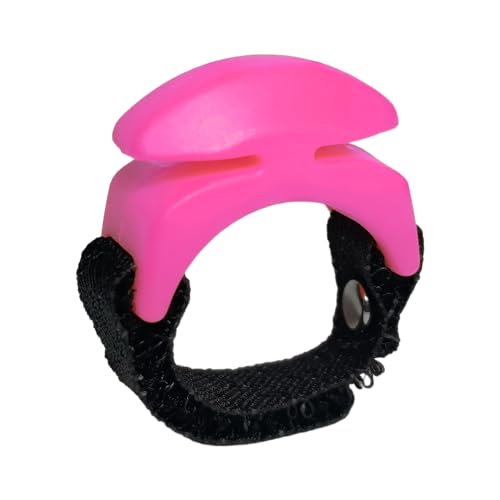
The Yarnit Cutter Ring acts as a wearable, ring-mounted blade that stays on the finger throughout the entire knitting session. This design effectively removes the need to put down the needles, allowing for a seamless transition from knitting to cutting.
This is particularly useful for knitters working on large projects, such as blankets, where finding a place to set down scissors is a constant annoyance. The ring is lightweight and does not interfere with the natural grip on the needles.
Potential users should be aware that the low profile requires a specific technique to ensure the yarn catches the blade effectively. It is a tool that rewards consistent practice, eventually becoming an unconscious extension of the hand.
Gingher Stork Scissors: An Elegant Classic Choice

Gingher Stork Scissors are as much an aesthetic statement as they are a functional tool. Beyond their iconic design, the fine, needle-sharp points are exceptionally useful for precision work, such as snip-mending a broken stitch or trimming complex lace edges.
They offer a tactile weight that many makers prefer, providing a sense of stability when making delicate cuts. The high-quality steel retains its edge for a long time, provided it is treated with care and used exclusively for yarn and thread.
The tradeoff for their beauty is their vulnerability to tarnish and damage if left in humid environments. They are a tool to be displayed and cherished, rather than tossed into a cluttered notions tin.
LDH Thread Nippers: Ideal for Heavy-Duty Twine

LDH Thread Nippers bring a professional-grade sharpness to the craft room, making them the superior choice for thicker fibers. If a project involves bulky weight yarns, hemp twine, or heavy upholstery threads, these nippers cut through the mass without fraying the ends.
Their spring-loaded mechanism minimizes hand strain, making them suitable for long sessions of intense cutting. They are more robust than traditional scissors and can handle repeated, heavy use without losing their biting power.
They are larger than standard snips, which may be a drawback for knitters who prioritize extreme portability. These are best utilized as a primary “station” tool rather than a portable accessory.
U-Shaped Sewing Snippers: Best Budget-Friendly Pick
U-shaped sewing snippers are a staple in every efficient craft room for their simplicity and immediate utility. The simple, spring-loaded design ensures the blades are always in the ready position, requiring only a gentle squeeze to snip yarn.
They are remarkably durable and can often be found in multiples for a very low cost. This makes them ideal for keeping one at every knitting station throughout the house, from the couch to the bedroom.
While effective, they lack the fine, needle-like precision of specialized stork scissors. They are intended for fast, utilitarian cuts rather than intricate fiber work.
How to Choose the Right Twine Cutter for You
The primary factor in choosing a cutter is the weight of the fiber you most frequently use. If you work primarily with lace weight mohair, you require a different level of precision than someone working with heavy aran weight wool.
- Fingering or Lace: Look for precision snips or pendant-style cutters.
- Worsted or Bulky: Prioritize nippers or scissors with longer, stronger blades.
- Travel Projects: Choose wearable options or items that can be safely stowed in a checked bag.
Consider your personal workflow as well. If you have a habit of losing scissors, a wearable cutter ensures the tool is always tethered to your person.
Cutter Safety: Keeping Your Craft Room Accident-Free
Even the smallest yarn snips can cause injury if handled improperly. Always pass sharp tools handle-first to others and keep blades covered when they are not in immediate use.
Store cutting tools out of the reach of children and pets. Magnetic pin cushions can double as storage for snips, keeping them off the floor and preventing the blades from accumulating dust and stray fibers.
If a blade becomes dull, resist the urge to force a cut. A dull blade is significantly more dangerous than a sharp one because it requires more pressure, increasing the likelihood of slipping and cutting the project or your fingers.
Maintaining Your Blades for a Clean, Crisp Cut
Proper maintenance involves using your cutting tools strictly for yarn and thread. Paper, cardstock, and heavy packaging materials will degrade the steel edge of precision scissors and nippers almost instantly.
Wipe the blades down periodically with a soft, lint-free cloth to remove fiber oils and dust. If the movement becomes stiff, a tiny drop of sewing machine oil applied to the pivot point will restore smooth, effortless action.
If your blades do begin to fray the yarn rather than slice it cleanly, professional sharpening is almost always preferable to DIY attempts. Improper sharpening can permanently ruin the alignment of the blades.
Wearable vs. Handheld: Which Cutter Fits Your Flow?
The choice between wearable and handheld tools often comes down to the style of knitting. Wearable cutters are best for those who maintain a tight, continuous flow and do not want to break their rhythm.
Handheld scissors and snips are better for knitters who prefer to set their needles down between color changes or when weaving in multiple ends. The handheld approach often feels more deliberate and provides better visibility of the yarn tail before the cut is made.
Ultimately, the best cutter is the one that disappears into your routine. When the process of cutting yarn feels like a natural part of the knitting motion rather than an interruption, the right tool has been found.
Every knitter eventually finds the perfect balance between tool utility and personal workflow. Whether you choose the elegance of stork scissors or the functional simplicity of a ring cutter, investing in a sharp, reliable cutting instrument will transform your craft room into a more efficient space. Treat these tools with care, keep them clean, and they will support your knitting projects for many years to come.