6 Best Wood Pressing Tools For Crisp Seams To Use
Achieve professional results with these 6 essential wood pressing tools. Learn how to create crisp, flat seams and improve your garment construction quality.
Achieving a professional finish on your hand-knitted garments often comes down to the final press rather than the stitches themselves. While many knitters focus exclusively on needles and yarn, the secret to crisp, garment-quality seams lies in the use of wooden pressing tools. These simple, unvarnished blocks of hardwood are the unsung heroes of blocking, transforming bulky edges into flat, tailored masterpieces. Mastering these tools will elevate your projects from "homemade" to heirloom-quality pieces.
The Tailor’s Clapper: Best Overall Wood Pressing Tool


The traditional tailor’s clapper is the gold standard for a reason. Its heavy, dense hardwood construction is designed to absorb steam and pressure, effectively "setting" the fibers of your yarn into a permanent, flat position.
When you are working with wool, especially dense cables or thick ribbing, the clapper is indispensable. By holding the block firmly against a steamed seam, you force the yarn to relax and lay completely flat against the fabric.
For the best results, look for a clapper made from unfinished, kiln-dried hardwood like oak or maple. Avoid varnished versions, as the finish can trap moisture or, worse, transfer heat-induced chemicals onto your delicate hand-dyed fibers.
Dritz Wooden Point Presser and Clapper Combo Tool

This dual-purpose tool is a space-saver for those with limited crafting areas. The pointed end is perfect for pressing out tight corners on collars or pocket flaps, while the flat side functions as a standard clapper.
If you enjoy knitting structured cardigans with intricate button bands, this tool is your best friend. The point allows you to get into tight spaces where a standard, bulky block simply cannot reach.
However, keep in mind that the smaller surface area means you will have to move it more frequently. It requires a bit more patience to ensure the entire seam is pressed evenly, but the precision is well worth the extra effort.
Clover Tailor’s Clapper for Crisp Seam Finishing

Clover is known for ergonomic design, and their clapper is no exception. It features comfortable side grooves that make it easy to grip, even if your hands get tired after hours of finishing work.
This tool is particularly effective for knitters who struggle with bulky seams on heavy-weight wool. The weight is perfectly balanced, meaning you don’t have to exert excessive force to get that professional, "pressed" look.
Because the wood is exceptionally smooth, there is zero risk of snagging your delicate yarn. It is a reliable, no-nonsense tool that performs exactly as expected every single time you use it.
Nancy’s Notions Hardwood Pressing Clapper Board

Nancy’s Notions offers a classic, hefty design that feels substantial in the hand. It is ideal for larger projects, such as blocking the long side seams of a heavy wool coat or a structured sweater.
The sheer mass of this tool is its greatest advantage. When you apply it to a steamed seam, the weight does most of the heavy lifting for you, saving your wrists from unnecessary strain.
If you are a knitter who produces large-scale garments, don’t settle for a lightweight imitation. A heavier board provides the consistent, deep pressure required to tame even the most stubborn, high-twist yarns.

June Tailor Wood Pressing Clapper for Quilting
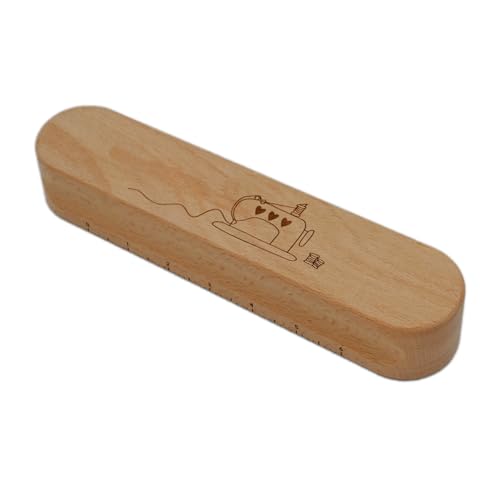
While marketed toward quilters, this clapper is a hidden gem for knitters. Its wide, flat surface is perfect for pressing large swaths of fabric, making it excellent for blocking flat panels before seaming.
Many knitters find that the wider base helps maintain a consistent temperature across a longer seam. This prevents the "wavy" look that can occur when you press in short, uneven bursts.
Just ensure you are using it on a sturdy surface. Because it covers more area, you need a firm ironing board beneath your work to prevent the fabric from sagging under the pressure of the clapper.
Rowenta Professional Wood Pressing Clapper Block
Rowenta’s version is designed for those who want a professional, industrial-grade feel. It is dense, durable, and holds up well to the high moisture levels required for aggressive steam blocking.
If you work frequently with superwash wool, which can sometimes be "springy" and resistant to shaping, this tool provides the necessary heft to force the fibers into submission. It is built to last a lifetime of heavy use.
The tradeoff here is the price point and the size. It is a significant investment for a casual hobbyist, but for the dedicated garment knitter, it is a tool that you will reach for on every single project.
Why Wood Pressing Tools Are Essential for Knitters
Most knitters know that blocking is the final step, but few realize that heat and pressure are what truly "marry" the seams. Without a clapper, steam alone often isn’t enough to keep bulky seams from popping back up.
When you knit, the yarn is under constant tension. Even after you cast off, the fibers want to return to their original, coiled state. A clapper locks the yarn into its new, flat shape as the steam cools.
Using these tools also helps to distribute the yarn evenly across the seam. It hides the minor irregularities in your gauge, giving the entire garment a smooth, cohesive appearance that mimics machine-knitted luxury goods.
How to Use a Clapper for Professional Seam Finish
First, steam your seam lightly with an iron, keeping it just a fraction of an inch above the knitting to avoid crushing the fiber pile. Immediately after lifting the iron, place the clapper firmly onto the seam.
Hold the clapper in place for about 10 to 15 seconds. Do not slide it around; simply press down and wait for the steam to dissipate into the wood and the fabric to cool.
- Steam: Use a generous amount of steam to relax the fibers.
- Press: Apply firm, downward pressure to compress the seam.
- Wait: Let the fabric cool completely under the wood to set the shape.
Understanding Fiber Types Before Using Heat Press
Not all fibers react the same way to heat and pressure. Natural fibers like wool and alpaca respond beautifully to steam and clappers, as they are protein-based and thrive under controlled moisture.
Synthetic fibers, however, can be permanently damaged by too much heat. If your yarn has a high acrylic content, be extremely cautious. Excessive heat can "kill" the fiber, causing it to lose its bounce and become permanently limp.
- Wool/Alpaca: Excellent for steam pressing; holds a crease well.
- Cotton/Linen: Requires more moisture and pressure, but resists heat damage.
- Acrylic/Synthetics: Use low heat and minimal steam; test a swatch first.
Essential Tips for Maintaining Your Wooden Tools
Because these tools are made of raw wood, they are susceptible to moisture absorption. Always store them in a dry, well-ventilated area to prevent warping or mold growth.
If your clapper becomes rough over time, a light sanding with fine-grit sandpaper will restore its smooth surface. Never use harsh chemicals or wood polishes, as these will transfer onto your yarn during your next project.
Finally, treat your clapper as a precision tool. Dropping it on a hard floor can chip the edges, which could lead to snags. Keep it on your work table, and it will serve you for decades to come.
Investing in a quality wood pressing tool is a transformative step for any knitter serious about their craft. By understanding how heat, moisture, and pressure interact with different fibers, you can achieve seams that look as good as any high-end boutique garment. Start with a simple, sturdy clapper and practice on your swatches before moving to your finished sweaters. Your patience during this final finishing phase will be rewarded with professional, crisp results every time.