6 Best Adhesive Glues For Knot Security Reviewed
Secure your knots with confidence. We review the 6 best adhesive glues for maximum bond strength, durability, and reliability in every essential application.
Every knitter has experienced the heart-sinking moment when a yarn tail slips loose just as a project nears completion. While weaving in ends is the traditional gold standard, certain slippery fibers—like silk, bamboo, or high-twist superwash wool—demand extra insurance. Choosing the right adhesive can mean the difference between a secure knot and a stiff, crusty mess that ruins your drape. This guide evaluates the best adhesives to ensure your hard work stays put without compromising the integrity of your stitches.
Beacon Fabri-Tac: Best Overall for Fiber Security


Beacon Fabri-Tac is the gold standard for fiber artists who need a permanent bond that remains flexible. Unlike standard craft glues, it doesn’t soak through delicate lace or leave behind a crunchy, plastic-like texture.
It is particularly effective for securing knots in slippery synthetic blends or rayon yarns that refuse to hold a traditional weaver’s knot. Because it dries clear and stays pliable, it won’t create a stiff "hot spot" in your fabric that could feel irritating against the skin.
If you are working on a garment with a lot of movement, like a swingy cardigan or a lightweight shawl, this is your best bet. It maintains its hold even after repeated washings, provided you wait the full cure time before submerging the garment.
Aleene’s Flexible Stretchable Fabric Glue Review

This adhesive is specifically formulated for garments that require movement, making it a favorite for knitted socks and ribbed cuffs. When you stretch your fabric, the glue stretches with it rather than cracking or flaking away.
The biggest advantage here is the consistency; it’s thick enough to stay exactly where you put it without migrating into surrounding stitches. This precision is vital when you’re working with fine-gauge yarn where a stray drop of glue could ruin an entire section of your pattern.
However, keep in mind that it takes longer to dry than a standard super glue. You’ll need to be patient, as rushing the drying process can lead to the glue pulling away from the fibers if the garment is stretched too soon.
E6000 Craft Adhesive: The Heavy-Duty Fiber Choice

E6000 is the industrial strength option for when you need a bond that will never, ever move. It is incredibly robust, making it suitable for securing heavy-weight wools or structural elements in knitted home decor.
Because this glue is solvent-based, it is quite potent and requires a well-ventilated workspace. It creates a very strong, permanent seal that essentially fuses the fibers together, which is great for durability but can be overkill for delicate lace.
Use this sparingly, as it can be difficult to remove if you make a mistake. It is best reserved for projects where you need a "set it and forget it" solution and won’t be worried about the texture of the knot area.
Dritz Fray Check: Best for Securing Yarn Ends

Fray Check is technically a liquid seam sealant, but in the knitting world, it is a lifesaver for preventing yarn ends from unraveling. It is extremely thin, allowing it to wick deep into the twist of the yarn without adding bulk.
If you are working with a yarn that has a high propensity to split or fray at the cut end, a tiny dab of this will lock the plies together instantly. It is essentially invisible once dry, making it perfect for fine-gauge stranded colorwork where you have many ends to manage.
Be careful not to over-apply, as it can slightly darken some lighter-colored fibers. A little goes a long way, so use a toothpick to apply the smallest amount necessary to secure the very tip of the yarn.
Gorilla Super Glue Gel for Precision Knot Fixing
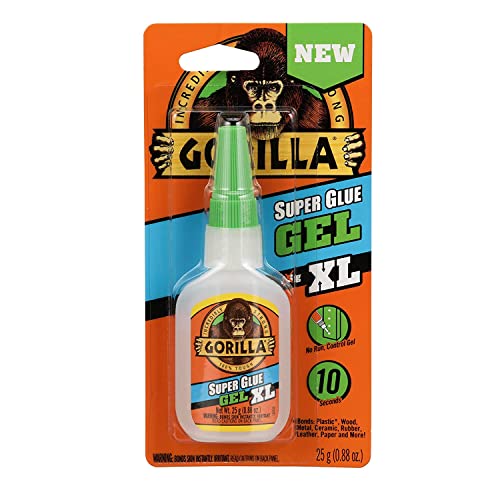
When you need an instant fix for a knot that just won’t hold, the gel version of Gorilla Super Glue is the superior choice. The gel formula is key; it doesn’t run or drip, allowing you to place it exactly on the knot without staining the surrounding stitches.
This is a "hard" glue, meaning it will create a rigid spot where applied. Use it strictly for areas that won’t be in direct contact with the skin, such as the inside of a hat band or the hidden side of a decorative accessory.
Because it cures almost instantly, it is excellent for emergency repairs on the go. Just remember that once it sets, it is permanent and will likely be stiffer than the rest of your yarn, so use it with a light touch.
Loctite Ultra Gel Control for Permanent Bonding
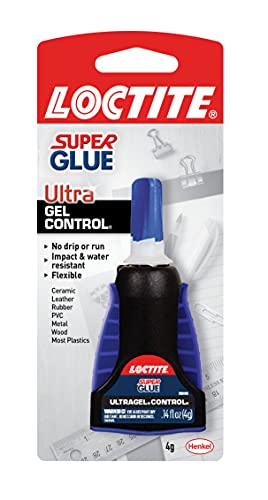
Loctite Ultra Gel Control is designed for maximum precision, thanks to its unique squeeze-side bottle. For knitters, this means you can dispense a microscopic amount of glue onto a knot buried deep within a complex cable pattern.
The "Ultra" formula is impact-resistant, which is a nice bonus for garments that go through the wringer of daily wear. It holds up well to the friction of movement, making it a reliable choice for securing ends on sweaters or scarves.
Like all super glues, it works by bonding the fibers together into a solid mass. It is not suitable for delicate silk or mohair, as the chemical reaction can sometimes cause the fibers to become brittle or discolored.
How to Apply Glue Safely to Delicate Yarn Fibers
The golden rule of applying adhesive to knitting is to always use an applicator, never the bottle tip. A toothpick or a fine-gauge sewing needle allows you to control the exact volume of glue, preventing saturation.
- Test first: Always apply a tiny amount to a scrap piece of the same yarn to check for color changes or stiffness.
- Isolate the area: Use a small piece of wax paper behind the knot to ensure the glue doesn’t bleed through to the other side of the fabric.
- Work from the inside: Always apply the adhesive to the wrong side (the interior) of the garment to keep the exterior stitch definition crisp and clean.
If you are worried about the glue soaking into the surrounding stitches, try "wicking" the glue into the knot by touching the applicator to the center of the knot and letting capillary action do the work. This keeps the adhesive contained within the twist of the yarn.
Understanding Which Glues Damage Natural Fibers
Not all fibers react the same way to chemical adhesives. Natural protein fibers like wool, alpaca, and silk can be sensitive to the solvents found in heavy-duty glues, which may cause them to become brittle or even melt.
Synthetic fibers like acrylic and polyester are generally more resistant to these chemicals, but they can still be affected by the heat generated during the curing process of some adhesives. Always avoid glues that require high heat to set, as these will almost certainly damage your yarn.
- Avoid: Harsh, acetone-based glues on delicate animal fibers.
- Prefer: Water-based fabric glues for natural fibers whenever possible.
- Caution: Always check the label for "acid-free" or "archival" properties to ensure the glue won’t degrade your yarn over time.
Essential Tips for Invisible Knot Reinforcement
The goal of using glue is to make the repair undetectable. If you can see or feel the knot, you’ve used too much adhesive. The secret is to weave your ends in first, then apply a tiny amount of glue to the very last few millimeters of the tail.
This creates a "stopper" that prevents the end from working its way back out of the fabric. By weaving the tail through the back of the stitches, you provide physical support, while the glue acts as a chemical lock.
This dual-approach is much more effective than relying on glue alone. Never use glue as a substitute for proper weaving; think of it as a reinforcement for the work you’ve already done.
Frequently Asked Questions About Adhesive Safety
Will the glue wash out? Most fabric-specific glues are designed to be wash-resistant, but they are rarely "wash-proof" against industrial detergents or high-heat drying. Hand wash your projects to maximize the life of the bond.
Can I use glue on baby items? It is generally recommended to avoid any adhesives on baby garments. Infants often chew on clothing, and even non-toxic glues can pose a risk or cause skin irritation.
What if I make a mess? If you get glue on your needles or your hands, don’t panic. Keep a small bottle of rubbing alcohol nearby, as it can often break down the bond of many fabric glues before they fully cure.
Securing your yarn ends is an essential skill that evolves alongside your knitting journey. While weaving remains the most reliable method, these adhesives offer a practical safety net for those tricky, slippery fibers that just won’t cooperate. By choosing the right product for your specific fiber type and applying it with precision, you can ensure your projects remain beautiful and intact for years to come. Happy knitting, and may your ends always stay securely tucked away.