6 Best Blocking Mats For Lace Projects To Own
Discover the 6 best blocking mats for lace projects. Our guide compares durability and grid accuracy to help you achieve perfect, professional results every time.
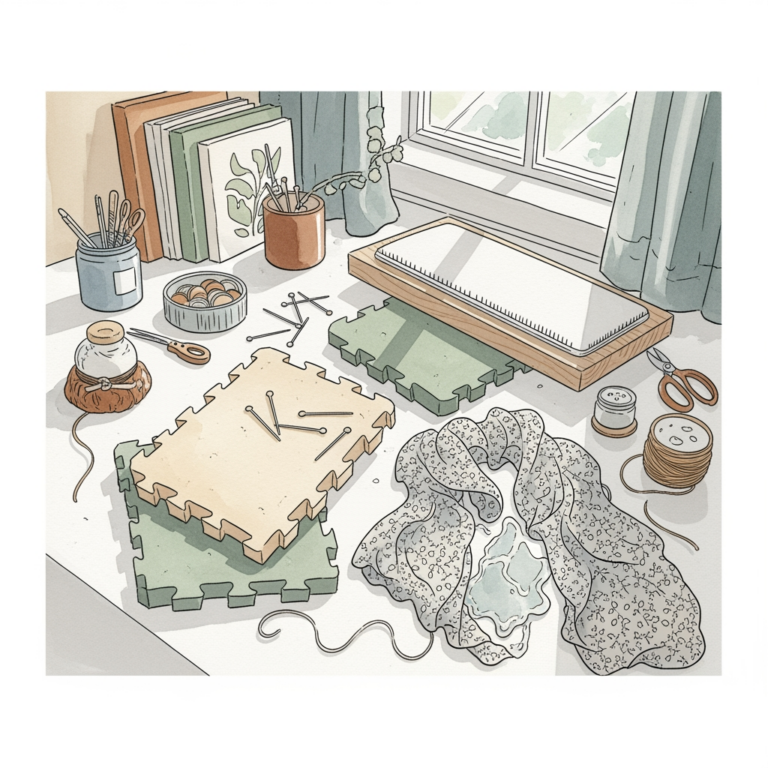
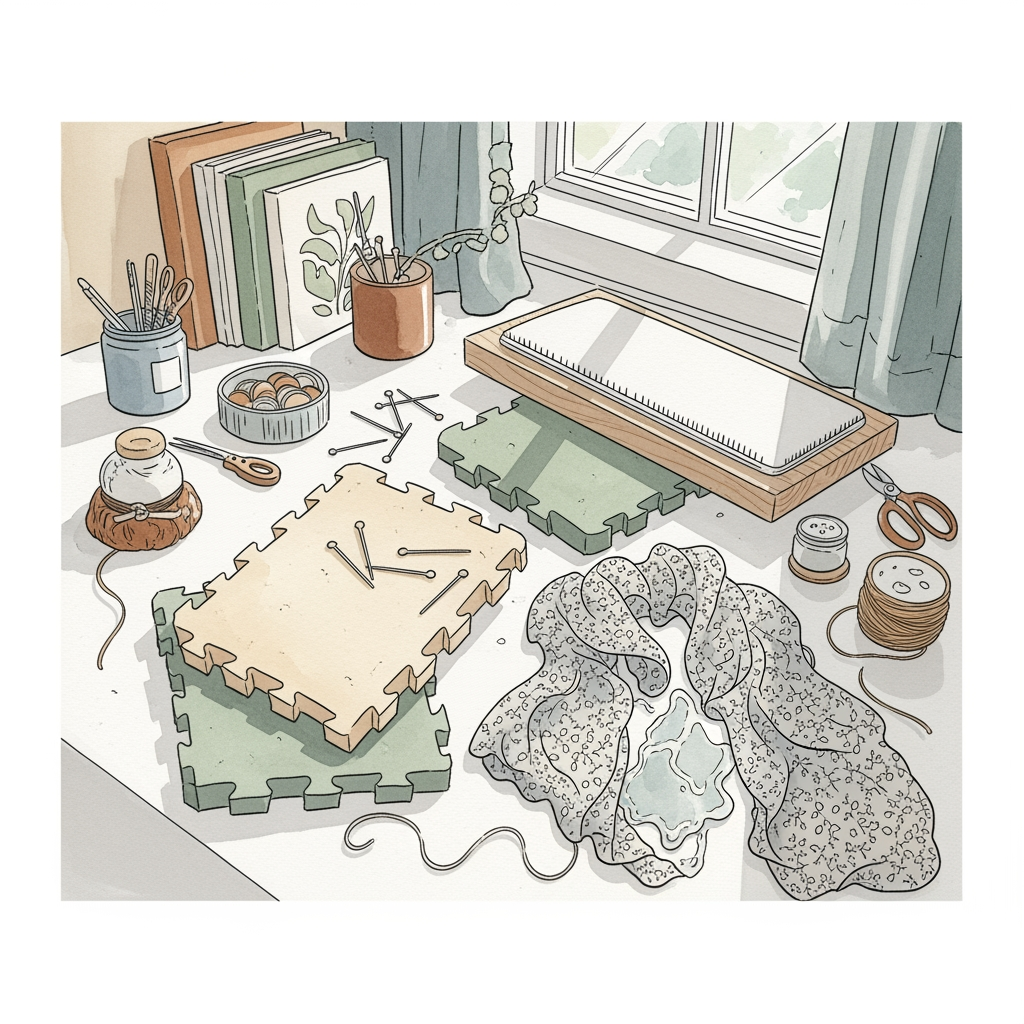
Achieving a professional finish on a delicate lace shawl requires more than just patience; it demands the right surface to coax your stitches into their final, elegant form. Blocking mats transform a crumpled, uneven piece of knitting into a crisp, open-work masterpiece by setting the fiber’s memory. Without a reliable, heat-resistant, and pin-friendly surface, your hard work on intricate yarn-overs and decreases can easily fall flat. Choosing the right mat is the final, crucial step in honoring the hours you spent at your needles.
Knitter’s Pride Lace Blocking Mats: Best Overall


These mats have become the gold standard in my studio because they strike the perfect balance between firmness and pin-ability. When you are working with fine lace-weight mohair or silk, you need a surface that holds T-pins securely without the mat crumbling under the tension.
The interlocking design allows you to customize your workspace to the exact dimensions of your shawl or scarf. Whether you are blocking a massive crescent shawl or a small cowl, you can configure these to fit without wasting space.
The bottom line? If you are a frequent lace knitter, investing in a high-quality set like this is a non-negotiable upgrade that saves your fingers and your finished projects.
Susan Bates Knit Chek Blocking Board: Best Value
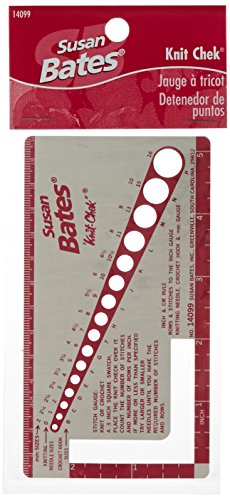
If you are a budget-conscious knitter who needs a functional surface without the bells and whistles, this board is a reliable workhorse. It offers a straightforward, no-nonsense approach to blocking that works perfectly for smaller lace projects like scarves or table runners.
While it lacks the expansive modularity of larger foam sets, it is incredibly sturdy and easy to store in a project bag. It is ideal for the knitter who doesn’t have a dedicated craft room and needs to pack their tools away quickly.
Don’t let the lower price point fool you into thinking it’s low quality. It gets the job done reliably, provided you aren’t trying to block a king-sized blanket in one go.
Mindful Collection Blocking Mats: Best Durability

Durability is the primary concern when you spend years blocking heavy wool or intricate lace. These mats are engineered with a higher density foam that resists the "pitting" that happens when you repeatedly push pins into the same spots.
The color-neutral aesthetic is a professional touch, but the real benefit is the structural integrity of the material. They don’t warp or curl at the edges even after significant exposure to steam or wet-blocking methods.
If you are the type of knitter who keeps their tools for a decade, these are your best bet. They are an investment in longevity that will outlast cheaper, softer foam alternatives.
Clover Blocking Mats With Grid: Best Precision
Precision is the hallmark of beautiful lace; a lopsided shawl will never look quite right, no matter how beautiful the yarn. These mats feature a printed grid that acts as a guide, ensuring your points are symmetrical and your edges are perfectly straight.
For knitters who struggle with "eyeballing" their blocking, the grid is a game-changer. It removes the guesswork from matching the width of your lace panels or ensuring your bind-off edge isn’t stretched further than your cast-on.
It is a fantastic tool for beginners who are still learning how much tension to apply to their lace. Use the grid to standardize your blocking process until you develop an intuitive feel for the fabric.
Boye Interlocking Foam Mats: Best For Beginners

When you are just starting out with lace, you don’t want to be intimidated by expensive, high-end equipment. These mats provide a soft, forgiving surface that is easy to handle and simple to assemble.
They are lightweight and offer plenty of surface area, which is helpful when you are still learning how to pin out a piece without distorting the stitch pattern. The foam is soft enough that you won’t struggle to push your pins through.
Think of these as your "learning" mats. They are perfectly capable of producing excellent results while you hone your skills and decide if you want to invest in more specialized gear later.
Lacis Blocking Board Set: Best For Small Items

Sometimes you aren’t blocking a shawl; you are blocking lace doilies, motifs, or delicate lace-trimmed socks. This board set is designed specifically for these smaller, more intricate tasks where a massive floor mat would be overkill.
The board provides a solid, flat surface that is easy to rotate as you work on delicate points. It gives you the control needed to manipulate tiny yarn-overs without stretching the delicate fibers of a lace-weight yarn.
If you primarily knit garments or home decor items with lace inserts, this is a specialized tool that will make your life significantly easier. It turns a fiddly, frustrating task into a precise, satisfying one.
Why Blocking Mats Are Vital For Lace Projects
Blocking is the process of wetting or steaming your finished item and pinning it into shape to "set" the stitches. Without a dedicated mat, you are likely using a towel on a carpet, which offers zero control and invites dust into your clean, finished project.
Mats allow for uniform airflow, which is essential for drying. If your piece dries unevenly, the lace pattern will look distorted or "puckered" in areas where the moisture stayed trapped too long.
Furthermore, a proper mat provides the consistent tension required for lace to "bloom." This is especially true for natural fibers like alpaca or merino, which need to be held in place while they relax and expand into their final, airy shape.
Essential Features To Look For In Blocking Mats
When shopping for mats, don’t just look at the price tag; look at the material composition and the physical design. Here is what I look for in a professional-grade mat:
- Firmness: The foam must be dense enough to hold a pin firmly upright.
- Heat Resistance: If you plan on steam-blocking, ensure the foam won’t melt or off-gas.
- Interlocking Mechanism: A tight fit ensures you don’t have gaps where your lace might snag.
- Grid Lines: Highly recommended for ensuring symmetry in geometric lace patterns.
Avoid mats that are too soft, as they will cause your pins to lean, which in turn causes your lace to lose its shape as it dries. Stability is everything when you are working with delicate lace.
Comparing Foam Density For Blocking Success
Not all foam is created equal, and the density of your mat dictates how much stress your pins can handle. Low-density foam is often cheaper, but it will lose its shape after a few uses, leaving your mats looking like a pincushion with permanent holes.
High-density foam, while firmer, provides a much more stable environment for your lace. It resists the tension of the yarn, meaning your lace won’t "snap back" or shrink while it is drying.
If you are working with heavy, superwash wool that has a lot of "spring," you need the high-density option. If you are working with delicate, non-elastic fibers like linen or silk, a medium-density mat is usually sufficient.
How To Properly Maintain Your Blocking Mats
Your mats are an investment, and like your needles, they require care. Always ensure your mats are completely dry before stacking them away to prevent mold or mildew, especially if you live in a humid climate.
Wipe them down with a damp cloth after use to remove any fiber dust or stray bits of yarn that might have shed during the blocking process. Never use harsh chemicals or solvents, as these can degrade the foam and potentially transfer to your delicate hand-knits.
Finally, store them flat to prevent warping. If you treat your mats well, they will provide a perfectly flat, stable surface for every lace project you tackle for years to come.
Selecting the right blocking mat is the final, essential act of care for your hand-knitted lace. By choosing a surface that matches your project’s needs—whether it’s for precision, durability, or portability—you ensure that your hard work is presented at its absolute best. Take the time to consider your fiber types and the scale of your projects, and you will find that a quality mat is one of the most rewarding tools in your collection. Happy blocking, and may your points always be sharp and your lace perfectly open.