6 Best Sock Blockers For Shaped Footwear To Own
Discover the top 6 sock blockers for perfect shaping. Learn which materials and designs ensure your handmade footwear maintains a professional, crisp finish.
After spending dozens of hours perfecting the heel turn and grafting the toe, your hand-knit socks deserve a professional finish that highlights your hard work. Sock blockers are the secret weapon that transforms a crumpled, uneven tube into a crisp, retail-quality garment. Using the right form ensures your stitch patterns pop and your sizing remains consistent across pairs. These six options represent the gold standard for shaping your fiber art with precision and ease.
Knitter’s Pride Adjustable Sock Blockers
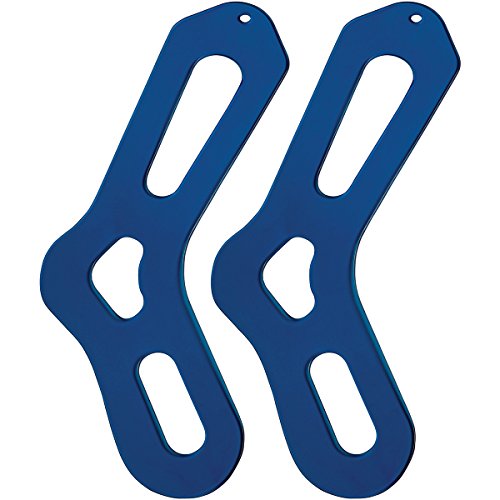

These plastic blockers are a godsend if you frequently knit for different foot sizes or struggle with standard sizing. The sliding mechanism allows you to extend or retract the length, meaning you don’t need a drawer full of different forms.
They are particularly useful for those who knit socks with varying leg lengths or cuff styles. Because they are made from smooth, reinforced plastic, they won’t snag delicate lace or cable patterns.
However, the adjustable joints can sometimes feel a bit stiff when new. Make sure to handle the locking mechanism gently to ensure the plastic doesn’t stress over time.
Cocoknits Bamboo Sock Blockers: Best Overall

Cocoknits has mastered the balance between aesthetics and functionality with these sturdy, laser-cut bamboo forms. They feature a beautiful, minimalist design that looks great in project photos while providing a reliable shape for your finished socks.
The bamboo material is slightly porous, which actually helps the sock stay in place while it dries. Unlike slick plastic, the fiber grips the wood, preventing the sock from sliding off before it has fully set.

These are my top pick for most knitters because they are lightweight and durable. They won’t warp under damp wool, provided you don’t leave them soaking in water for extended periods.
Ashford Wooden Sock Blockers for Precision
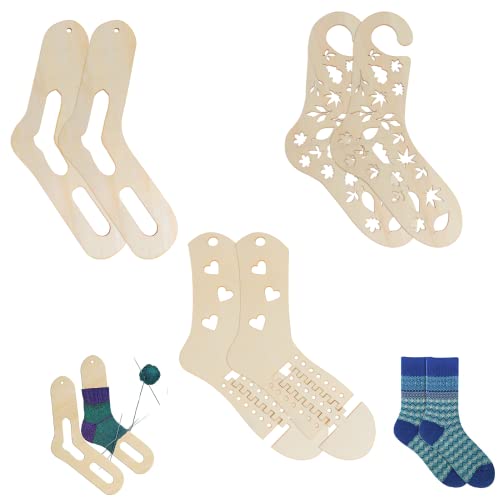
Ashford is a legendary name in spinning and weaving, and their wooden blockers reflect that heritage of quality. These forms are cut with a classic, anatomical curve that mimics the natural shape of the human foot better than many flat alternatives.
If you are knitting socks with complex gussets or intricate heel flaps, these forms provide the internal structure needed to highlight those details. The wood is sanded to a glass-like finish, ensuring no splintering occurs.
Because they are made from solid wood, they are heavier than other options. This makes them incredibly stable, though they may take up more space in your knitting bag.
HiyaHiya Stainless Steel Sock Blockers

If you are tired of wooden blockers warping or plastic ones bending, stainless steel is your best investment. These are virtually indestructible and provide a sleek, professional look that is very easy to wipe clean.
The thin profile of the steel makes them ideal for blocking socks made from thin, fingering-weight yarns. They allow for excellent airflow, which helps your socks dry significantly faster than they would on a solid form.
Be aware that because they are thin, they don’t provide as much "stretch" as a wider wooden form. Use these if you prefer a more tailored, snug fit for your socks.
Foglia Handcrafted Wooden Sock Form Set
Foglia blockers are truly artisanal tools, often featuring beautiful wood grains and ergonomic shapes that feel like a luxury in your hands. They are designed for the serious sock knitter who wants a tool that is as beautiful as the yarn they use.
Beyond their looks, they are engineered to be perfectly smooth. This is critical for delicate fibers like silk blends or hand-dyed superwash wools that might catch on rough surfaces.
These are an investment piece. If you take care of them by keeping them dry and storing them flat, they will last for your entire knitting career.
3D Printed Custom Fit Sock Blockers

We live in an age where you can have a sock blocker printed to your exact foot measurements. If you have non-standard sizing or specific fit needs, this is the ultimate solution.
You can find services online that allow you to input your foot length, width, and ankle circumference. The resulting form ensures that every sock you knit will fit your foot perfectly every single time.
The downside is the texture; some 3D printed surfaces can be slightly rough. I recommend a light sanding or a thin layer of wax if you find they catch on your stitches.
Why You Need Sock Blockers for Better Shape
Blocking is the final act of the knitting process, where the yarn fibers "relax" into their final position. When you take your socks off the needles, the stitches are often tight and uneven due to tension variations.
A blocker forces the stitches to align, which evens out the fabric and makes the entire sock look uniform. This is especially important for lace patterns, where blocking is the only way to open up the eyelets and reveal the design.
Without blocking, your socks may look lumpy or misshapen. A few hours on a form can turn a "handmade" look into a "hand-crafted" masterpiece.
Choosing Between Wood, Metal, and Plastic
The material you choose should depend on your specific knitting habits and the types of yarn you use most often. Wood is classic and offers great grip, but it requires careful storage to prevent warping.
Metal is the most durable and provides the best airflow for quick drying. Plastic is often the most budget-friendly and versatile, especially if you opt for adjustable models.
- Wood: Best for grip and natural aesthetics; requires dry storage.
- Metal: Best for durability and airflow; can be cold to the touch.
- Plastic: Best for versatility and price; check for sharp edges on cheaper models.
How to Properly Block Your Hand-Knit Socks
Start by soaking your finished socks in cool water with a gentle wool wash. Never wring or twist the wet fabric, as this can damage the fibers and distort your hard-earned stitch gauge.
Gently squeeze the excess water out using a clean towel, rolling it up like a burrito. Once the socks are damp but not dripping, slide them onto your blockers.
Let them air dry completely in a well-ventilated area away from direct heat or sunlight. Removing them too early can cause the damp fibers to stretch out of shape, ruining your fit.
Essential Tips for Maintaining Sock Blockers
To keep your blockers in top shape, always store them in a cool, dry place. If you use wooden blockers, consider giving them a light coat of furniture wax once a year to keep the wood sealed and smooth.
If you use plastic or metal, wipe them down with a damp cloth after each use to remove any residue from your wool wash. This prevents buildup that could transfer to your next pair of socks.
Finally, never force a sock onto a blocker that is too large. If you feel the fabric straining, you risk distorting the stitch pattern or breaking the blocker itself.
Investing in quality sock blockers is one of the most impactful upgrades you can make to your knitting practice. Whether you choose the durability of stainless steel or the organic feel of bamboo, these tools will elevate your finished garments significantly. Take the time to block your work properly, and you will see your stitch definition and fit improve with every new pair. Happy knitting!