6 Best Stitch Holders For Lace Garment Construction
Discover the 6 best stitch holders for lace knitting. This guide reviews essential tools to keep delicate stitches secure during your garment construction.
When working with delicate lace weight yarns, the integrity of your live stitches is paramount to the final drape and finish of your garment. Choosing the wrong stitch holder can lead to snagged fibers, dropped stitches, or unwanted distortion in your lace pattern. This guide explores the essential tools that keep your intricate work safe while you pause between rows or transition between sections. Whether you are working on a complex shawl or a fitted lace bodice, the right holder ensures your hard work remains pristine.


Cocoknits Stitch Fixers: Best Overall Choice
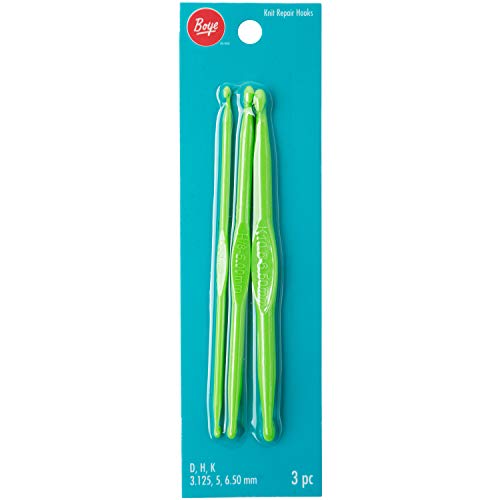
Cocoknits Stitch Fixers are essentially smooth, nylon-coated steel cables that function like flexible needles. Because they are flexible, they don’t force your lace into a rigid shape, which is vital when you need to set aside a large number of stitches for a sleeve or neckline.
The beauty of these is their versatility. You can attach them directly to the end of your interchangeable needles, allowing you to slide your stitches off the needle and onto the cable without the friction of a traditional metal holder.
For lace knitters, this is a game-changer. There are no sharp metal points to split your delicate, high-twist yarn, and the smooth transition prevents the "laddering" that often occurs when stitches are transferred to a stiff, straight metal holder.
Clover Jumbo Stitch Holders: Best for Bulky
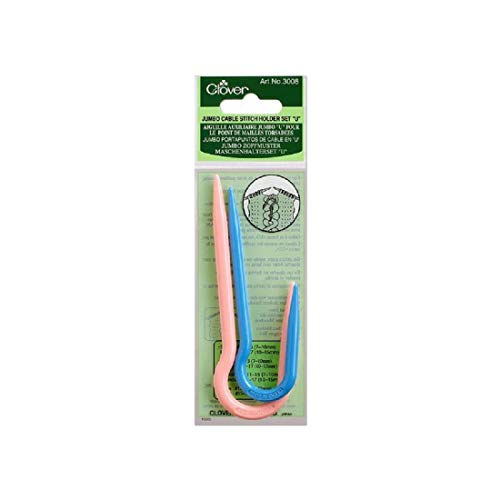
If you are incorporating lace motifs into heavier weight yarns—such as a chunky mohair blend—you need a holder that can handle the volume. Clover Jumbo holders provide that necessary capacity without the weight of traditional steel.
These are particularly useful when you are working on a project that requires holding a large section of the garment, like the entire body of a sweater, while you work on the sleeves. The plastic construction is lightweight, ensuring that the weight of the holder doesn’t distort your gauge.
However, be mindful of the clasp. While secure, the plastic hinge can occasionally snag on fuzzy fibers like angora or mohair if you aren’t careful during the transfer.
Susan Bates Flexible Holders: Best for Lace
Susan Bates flexible holders are a staple for a reason: they mimic the feel of a circular needle. By using a flexible cord rather than a rigid bar, they allow your lace stitches to rest naturally, preventing the "pinched" look that happens when stitches are crowded onto a straight metal pin.
This flexibility is crucial for lace because it preserves the tension of your yarn-overs. When you move stitches back to your needles, they will have maintained their original shape, making the transition back into your lace pattern seamless.
The trade-off is that they are slightly more fiddly to close than a traditional safety-pin style holder. Take your time to ensure the end caps are fully seated before setting your project down for the night.
HiyaHiya Puppy Snips: Best Small Holders

HiyaHiya Puppy Snips are perfect for those tiny, precise tasks, like holding stitches for a thumb gusset or a small lace motif. Their small size means they won’t get in the way while you are maneuvering your working needles around a tight area.
Because they are so compact, they are less likely to pull on your fabric compared to a long, heavy metal holder. This is essential when working with delicate lace, where even a small amount of extra tension can cause a stitch to distort or drop.
Think of these as the "tweezers" of your knitting kit. They are not for large sections, but for pinpoint control, they are unmatched.
Boye Aluminum Stitch Holders: The Classic

You likely have a few of these in your notions bag already, and for good reason. Boye aluminum holders are the reliable, no-nonsense choice for holding stitches securely when you need something that won’t budge.
The metal construction is very smooth, which is great for preventing snags. However, because they are rigid, they can be unforgiving with lace. You must be careful not to overstuff them, as the straight bar can stretch your stitches out of shape.
Use these for sturdy, non-lace sections or when you need to store a project for a long period. They are durable, inexpensive, and will last a lifetime if you don’t lose them.
Brittany Birch Stitch Holders: Best Wood
Brittany Birch holders offer a beautiful, natural alternative to cold metal or plastic. The wood is polished to a glass-like finish, which provides just enough "grip" to keep stitches from sliding off unexpectedly, yet is smooth enough to protect delicate fibers.
Wood is an excellent choice for slippery yarns like silk or bamboo blends. Where metal might let your stitches slide off the end of a holder, the slight friction of the birch helps keep them firmly in place.
Be aware that wood can snap if you apply too much pressure. Treat them with the same care you would give your finest wooden needles, and they will serve your delicate lace projects beautifully.
Why Stitch Holders Matter for Lace Projects
Lace is defined by its open-work structure, which is highly susceptible to distortion. When you move stitches to a holder, you are essentially changing the tension environment of those loops.
A good stitch holder should support the stitches without stretching them. If a holder is too thin, it can create a permanent "pucker" in your lace. If it is too rigid, it can force the fabric into a shape that is difficult to work back into.
Always aim for a holder that is roughly the same diameter as the needles you used to knit the project. This ensures the stitches remain consistent with the rest of your work.
How to Choose the Right Size for Delicate Yarn
Size matters significantly when dealing with fine lace weight yarn. If you use a holder that is too large, you risk stretching the yarn-overs, which can ruin the delicate balance of your pattern.
- Match your needle size: If you are using 2.5mm needles, look for a holder that isn’t significantly thicker.
- Consider the number of stitches: A tiny holder is fine for a few stitches, but a large number of stitches needs a flexible cable to avoid cramping.
- Fiber memory: Remember that wool has memory and will bounce back, but silk and linen do not. Be extra careful with non-elastic fibers.
When in doubt, it is better to go slightly smaller than larger. You can always ease stitches out, but you cannot easily shrink them back once they have been stretched out of shape.
Safety Tips for Storing Stitches Long Term
If you are setting a project aside for weeks or months, the way you store it is just as important as the tool you use. Avoid leaving stitches on a holder that is exposed to potential snags in your knitting bag.
I recommend placing a small piece of painter’s tape over the clasp of your holder. This prevents the holder from accidentally popping open, which is a disaster waiting to happen for a complex lace piece.
Additionally, store your project in a breathable cotton or linen bag. Avoid plastic bags, which can trap moisture and potentially damage delicate natural fibers over time.
Common Mistakes When Moving Lace to Holders
The most common error is rushing the transfer. When you move stitches from your needle to a holder, take the time to ensure each stitch is properly oriented and not twisted.
Another mistake is pulling the yarn too tight as you transfer. It is tempting to tug the yarn to keep the stitches "neat," but this often leads to uneven tension. Keep your movements fluid and relaxed.
Lastly, never leave your work on a holder that is too short for the number of stitches you have. If the stitches are crowded, they will lose their shape and become difficult to pick back up.
Selecting the right stitch holder is an investment in the long-term success of your lace knitting projects. By prioritizing flexibility, material, and proper sizing, you can protect your delicate work and ensure your stitches remain perfectly formed. Take your time during the transfer process, and always choose the tool that best fits the specific needs of your fiber and pattern. Happy knitting, and may your lace always be balanced and beautiful.