6 Best Olive Oil Soaps For Smooth Felting
Discover the top 6 olive oil soaps for perfect felting. Learn how these gentle, natural cleansers provide the ideal lubrication for smooth, consistent results.
Wet felting is an alchemy of friction, heat, and the right surfactant to encourage wool scales to lock together. While many beginners reach for whatever dish soap is under the kitchen sink, the choice of soap significantly impacts the texture and longevity of your finished felted piece. Olive oil-based soaps provide the ideal balance of lubrication and pH balance to keep fibers supple during the rigorous agitation process. Selecting the right bar or liquid is the first step toward achieving a professional, dense felted finish.
Dr. Bronner’s Pure-Castile Liquid Soap for Felting


Dr. Bronner’s is the industry standard for a reason: it is highly concentrated and readily available at most supply shops. Because it is a true Castile soap, it relies on saponified oils rather than harsh synthetic detergents that can strip the natural lanolin from your wool.
When working on large-scale projects like felted bags or heavy vessels, the liquid format is a massive time-saver. You don’t have to worry about dissolving a bar; simply squirt a small amount directly into your warm water basin.
Be cautious, however, as it is easy to over-soap. If you find your project turning into a sudsy bubble bath, you’ve added too much, which can make the fibers too slippery to catch and bond effectively.
Kirk’s Original Coco Castile Bar for Fiber Work

Kirk’s is a staple for those who prefer the tactile control of a bar soap. While it features coconut oil, it remains exceptionally gentle on delicate fibers like Merino or Corriedale wool.
This bar produces a very stable, dense lather that stays put on your work surface. It is particularly useful when you are doing "nuno" felting, where you are bonding wool to a silk base, as the soap doesn’t migrate as aggressively as liquid versions.
The trade-off is the need for a bit of prep work. I recommend grating a small portion into your water to ensure it dissolves evenly, rather than rubbing the bar directly onto your wool, which can cause uneven matting.
Marseille Soap Extra Pur: The Traditional Choice

Marseille soap is the gold standard for textile artists who prioritize purity and historical technique. Made traditionally with a high percentage of olive oil, it is incredibly mild and leaves almost no residue behind once the project is rinsed.
If you are working with hand-dyed yarns or delicate fibers, this is your safest bet. It won’t alter the pH of your wool, ensuring that the vibrancy of your colors stays intact throughout the felting process.
The downside is the price and availability, as authentic cubes can be harder to source than supermarket brands. If you are a serious fiber artist producing high-end goods, the investment in a block of authentic Marseille is well worth the consistency it provides.
Kiss My Face Olive Oil Bar for Gentle Wet Felting

This bar is a favorite among felters who have sensitive skin or who work in their home kitchens. It is formulated with a high concentration of olive oil, which provides a "cushion" between your hands and the wool.
This lubrication is vital when you are doing long, repetitive rubbing motions to encourage the fibers to migrate. If you aren’t using a soap with enough slip, you’ll find your hands becoming raw and your wool fibers becoming strained or broken.
It rinses out remarkably clean, which is a major advantage for projects that will be handled frequently. If you are felting a garment or a hat, you want a soap that leaves the wool feeling soft rather than waxy.
Olivella Natural Olive Oil Soap for Wool Projects
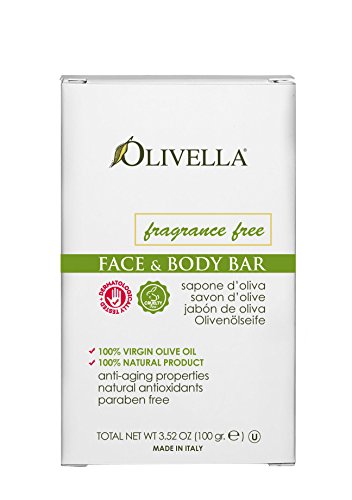
Olivella is unique because it uses 100% virgin olive oil as its base, mirroring the natural oils found in the wool itself. This creates a synergistic effect during the felting process, as the soap works with the fiber rather than against it.
I find this soap works best for complex, sculptural felting where you need the wool to be pliable for a long period. It doesn’t dry out the fibers as quickly as soaps with higher coconut or palm oil content.
Because it is so gentle, it is an excellent choice for felting projects that incorporate silk or synthetic fibers. It provides enough surface tension to bind the wool, but it is mild enough that it won’t damage the structural integrity of the base fabric.
South of France Mediterranean Olive Oil Bar Soap

This bar is a fantastic "workhorse" soap for the everyday felter. It is widely accessible, affordable, and produces a creamy lather that is perfect for medium-sized projects like felted slippers or mittens.
The scent profile is usually quite pleasant, which makes the long hours of agitation much more enjoyable. However, keep in mind that scented soaps can leave a faint aroma on the finished project, which some people love and others find distracting.
If you are gifting your finished felted item, consider whether the recipient has allergies to fragrances. If they do, stick to the fragrance-free options listed earlier to ensure your hard work is well-received.
Why Olive Oil Soap Is Superior for Wool Felting
The secret to successful felting lies in the cuticle of the wool fiber. Olive oil soaps are naturally lower in pH than synthetic detergents, which prevents the wool from becoming "brittle" or overly dry during the agitation phase.
- Lubrication: Olive oil provides a slick surface that allows fibers to slide past each other until they are ready to lock.
- pH Balance: It preserves the natural lanolin content, which keeps the wool soft and resilient even after the project has dried.
- Rinsability: Unlike harsh detergents, olive oil soap rinses out easily, preventing the "crunchy" feel that often ruins a beautifully felted piece.
Ultimately, the goal is to create a dense, cohesive fabric without damaging the individual fibers. Olive oil soap acts as a protective barrier, ensuring that the friction you apply is constructive rather than destructive.
How to Properly Dilute Soap for Wet Felting Fiber
Never apply soap directly to your wool project unless you are spot-treating a difficult area. For most projects, you want a "soapy water" mixture that feels slick to the touch but isn’t producing massive amounts of foam.
A good rule of thumb is to start with one teaspoon of liquid soap per liter of warm water. You can always add more, but you cannot easily remove excess soap once it has permeated the core of your felted piece.
If you are using a bar, dissolve your shavings in a small amount of boiling water first, then add that concentrate to your larger basin of warm water. This ensures an even distribution and prevents "soap spots" from forming on your work.
Avoiding Common Felting Mistakes With Soap Usage
The most common mistake I see is using too much soap, which leads to a "suds trap." When there is too much soap, the fibers float in the bubbles rather than rubbing against each other, which prevents the felting process from actually happening.
Another mistake is using water that is too hot or too cold. Soap functions best in warm water; cold water will cause the soap to congeal, while boiling water can shock the wool and cause it to felt unevenly or shrink unpredictably.
Finally, avoid using soaps that contain heavy moisturizers or conditioners meant for human hair. These ingredients leave a film on the wool that can attract dust and grime, effectively ruining the longevity of your finished project.
Troubleshooting Soap Residue on Finished Projects
If you finish your project and find it feels sticky or waxy, you have likely used too much soap or failed to rinse thoroughly. This residue can often be removed by soaking the item in a basin of cool water with a splash of white vinegar.
The acidity of the vinegar helps to neutralize any remaining soap molecules and strips away the waxy film. Let the piece soak for 20 minutes, then rinse it under cool running water until the water runs clear.
If the residue persists, it may be time for a gentle hand-wash with a dedicated wool wash product. Remember, the best way to avoid this is to be conservative with your soap usage from the very beginning of your project.
Mastering the art of wet felting requires patience and a deep understanding of how your materials interact. By choosing a high-quality olive oil soap, you provide your fibers with the protection and lubrication they need to transform into a durable, beautiful fabric. Experiment with these options to see which consistency works best for your specific style of agitation and project goals. With the right foundation, your felted creations will be as soft and long-lasting as they are beautiful.