6 Best Felting Needle Kits For Beginners To Start With
Start your fiber art journey with these 6 top-rated needle felting kits. Learn how to choose the right tools and materials to create your first felted project.
Stepping into the world of needle felting is much like learning to manipulate a new yarn weight; it requires patience, the right tools, and an understanding of how fibers behave under pressure. While many fiber artists start with a single needle, investing in a well-curated kit can save you from the frustration of broken tools and uneven textures. These six recommendations are designed to help you build a solid foundation for your 3D fiber sculptures. Whether you are sculpting a miniature animal or adding detail to a knitted project, your success starts with the quality of your steel.
Dimensions Needle Felting Starter Kit: Best Overall


This kit is the "starter sweater pattern" of the felting world—it provides everything you need to finish a project without overwhelming you with excess gear. It strikes a perfect balance between accessibility and functionality, making it ideal for those who want to dip their toes into the craft.
You get a curated selection of needles, a foam pad, and basic wool roving to practice your first few shapes. It removes the guesswork of hunting for compatible supplies, ensuring your first attempt isn’t derailed by mismatched wool density or flimsy tools.
The trade-off here is longevity; while excellent for learning, you may eventually outgrow the included needles as you move toward more complex, larger-scale sculptures. Think of this as your "training wheels" kit—it’s perfect for getting the feel of the fiber, but keep an eye on your needle health as you progress.
Hamanaka Felting Needle Starter Set: Top Quality

If you’ve ever worked with high-end, hand-dyed wool, you know that the quality of your tools changes the entire experience. Hamanaka needles are the "premium needles" of the felting world, offering precision engineering that makes a noticeable difference in how quickly and smoothly your wool firms up.
The steel is exceptionally durable, meaning you won’t be constantly replacing tips mid-project. They glide through dense wool with minimal resistance, which is a lifesaver when you’re working on intricate details like animal faces or tiny appendages.
Be aware that these needles are sharper and more aggressive than budget options, so they demand a bit more respect during use. If you are serious about pursuing needle felting as a long-term craft, investing in this quality early will save you the headache of fighting with subpar tools later.
Woolbuddy Felting Needles Set: Best for Beginners

When you’re first learning to felt, you’ll inevitably break a few needles—it’s a rite of passage, much like dropping a stitch on your first scarf. Woolbuddy kits are designed with this learning curve in mind, offering a variety of gauges that help you understand the difference between shaping and finishing.
The set is color-coded, which is a massive help when you’re trying to remember which needle does what in the heat of a project. It takes the mystery out of the tool selection process, allowing you to focus on your technique rather than the technical specs of the steel.
The main takeaway here is that these needles are sturdy and forgiving. They are a fantastic choice for the beginner who wants to experiment with different wool types without worrying about snapping an expensive tool on a dense core.
Clover Pen Style Felting Tool: Best Ergonomics

If you’ve ever suffered from hand fatigue after hours of knitting cables or complex lace, you know how vital ergonomics are to your long-term comfort. The Clover Pen Style tool is a game-changer because it mimics the grip of a pen, reducing the strain on your fingers and wrists.
This tool holds multiple needles at once, which significantly speeds up the process of firming up large surfaces. It’s perfect for "blocking" out a shape quickly, though you might find it a bit clunky for the fine, delicate sculpting work that requires a single, precision needle.
I recommend this for fiber artists who plan on creating larger pieces or who have pre-existing hand sensitivities. Just remember that the multi-needle configuration requires a steady hand to avoid uneven surface texture; move it consistently to keep your work looking professional.
Sullivans Needle Felting Kit: Great Value Choice
Sullivans offers a no-frills, highly practical kit that gets the job done without any unnecessary fluff. It’s the "workhorse" of the bunch, providing a solid range of needles that can handle everything from core wool to fine finishing fibers.
This is an excellent choice if you’re on a budget but don’t want to sacrifice the ability to complete a variety of projects. It’s a reliable kit that proves you don’t need the most expensive equipment to produce beautiful, high-quality fiber art.
The downside is that the kit is relatively basic, so you won’t find many specialized ergonomic handles or advanced accessories. However, for a beginner, it provides the perfect blank slate to learn the fundamentals of fiber manipulation.
Bear Creek Felting Needle Set: Most Versatile

Versatility is the hallmark of a seasoned fiber artist, and this set is designed for those who want to tackle a wide array of projects. Whether you are working with coarse Corriedale wool or delicate Merino, this set has the right needle gauge to handle the fiber’s specific properties.
Having a range of gauges allows you to control the "tightness" of your felt, similar to how changing needle sizes affects the drape of your knitting. You can start with a heavier gauge to build your structure and switch to a finer needle to smooth out the surface and hide those pesky poke marks.
This set is best for the learner who likes to experiment and isn’t afraid to dive into the technical side of the craft. It’s a comprehensive collection that will grow with you as your skills evolve from simple shapes to complex, realistic sculptures.
Understanding Needle Gauges and Felting Finishes

Needle gauges are the secret language of felting, and understanding them is as important as understanding yarn weight. Higher gauge numbers (like 40 or 42) are thinner and meant for fine detail work, while lower numbers (like 36) are thicker and better for quickly joining fibers.
- 36 Gauge: Best for initial shaping and joining large pieces of wool.
- 38 Gauge: The "all-rounder" for general sculpting and firming.
- 40-42 Gauge: Essential for finishing, smoothing surfaces, and adding fine detail.
Always match your needle gauge to the stage of your project. Using a thick needle for fine details will leave large, visible holes in your work, whereas a thin needle will take forever to shape a large core.
Essential Wool Types for Successful Felting
Not all wool is created equal, and your choice of fiber will dictate how easily it felts. Beginners should look for wool that has a bit of "crimp" or texture, as this helps the fibers grab onto each other more effectively.
- Corriedale: The gold standard for beginners; it’s easy to control and felts relatively quickly.
- Merino: Beautiful and soft, but it can be slippery and take longer to felt; best used for the outer layer.
- Batts vs. Roving: Batts are already carded in multiple directions, making them much easier to felt than top-roving, which is combed in one direction.
If you’re struggling to make your wool firm up, check your fiber type. Sometimes, switching from a smooth, combed top to a carded batt is all it takes to solve your frustration.
Safety Tips for Handling Felting Needles
Felting needles are essentially tiny, barbed spears, and they are incredibly sharp. The most common injury occurs when the needle slips off the wool and hits the finger holding it; always keep your fingers well away from the "strike zone."
Use a high-quality foam or brush mat to support your work, and never hold your piece in your hand while felting. If you are working on a small, fiddly detail, use a pair of long-nosed pliers or a dedicated holder to keep your skin safe.
Treat your needles with the same respect you would a pair of sharp circular needles. A moment of distraction is all it takes to turn a fun craft session into an accidental trip to the first-aid kit.
How to Maintain Your Felting Needle Collection
Needles are consumables, but they last much longer if you treat them right. The biggest enemy of a felting needle is bending; if you push the needle into your work at an angle, the thin shaft will eventually snap.
Always enter and exit the wool at the same angle to minimize stress on the metal. If you notice your needle feeling "gritty" or having trouble penetrating the wool, it might be time to toss it, as a dull or rusted needle will tear your fibers rather than locking them together.
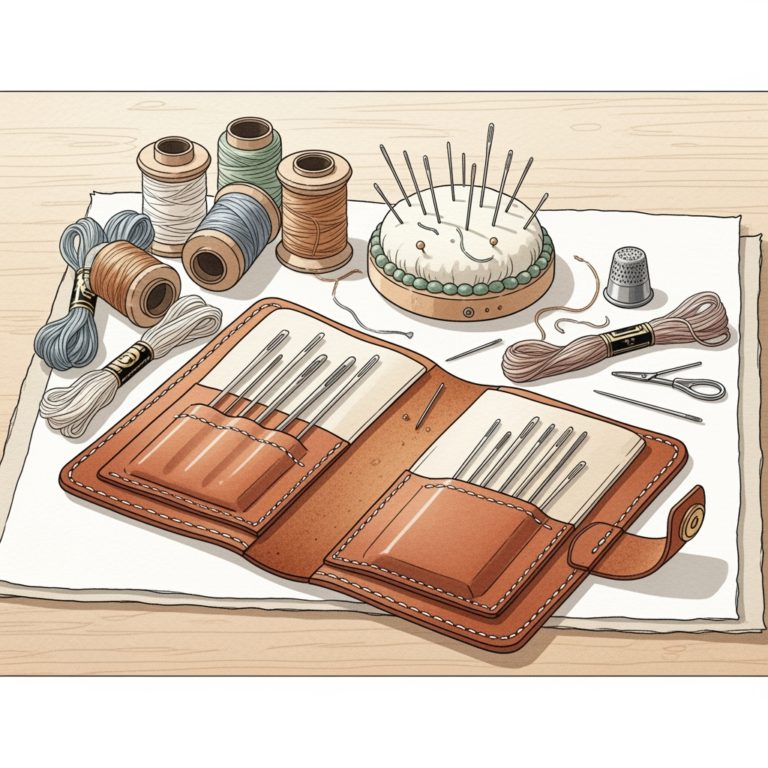
Store your needles in a dry, organized container to prevent moisture from causing rust. Keeping them in a pincushion or a dedicated needle book will help you track which gauges are which, saving you time and frustration on your next project.
Needle felting is a tactile, deeply rewarding craft that allows you to sculpt with the same beautiful fibers you use for your knitting projects. By starting with a quality kit and understanding the nuances of needle gauges and wool types, you set yourself up for success. Take your time, prioritize your safety, and enjoy the meditative process of watching your fiber art take shape. Remember, every needle poke is a step toward mastery, so don’t be afraid to experiment and find the tools that feel best in your hands.