7 Best Travel Kits For Emergency Repairs To Pack
Prepare for the unexpected with our top 7 travel repair kits. Learn which essential tools ensure you can fix gear quickly and stay on track during your trip.
There is nothing quite as harrowing for a knitter as dropping a stitch or snagging a yarn strand while thousands of feet in the air or miles from home. Having a curated emergency kit ensures that a minor mishap doesn’t turn into a project-ending disaster. After two decades at the needles, I’ve learned that the secret isn’t carrying everything you own, but carrying the right things. Here is how to build a repair kit that keeps your fiber arts adventures stress-free.
Cocoknits Maker’s Keep: The Ultimate Wrist Tool
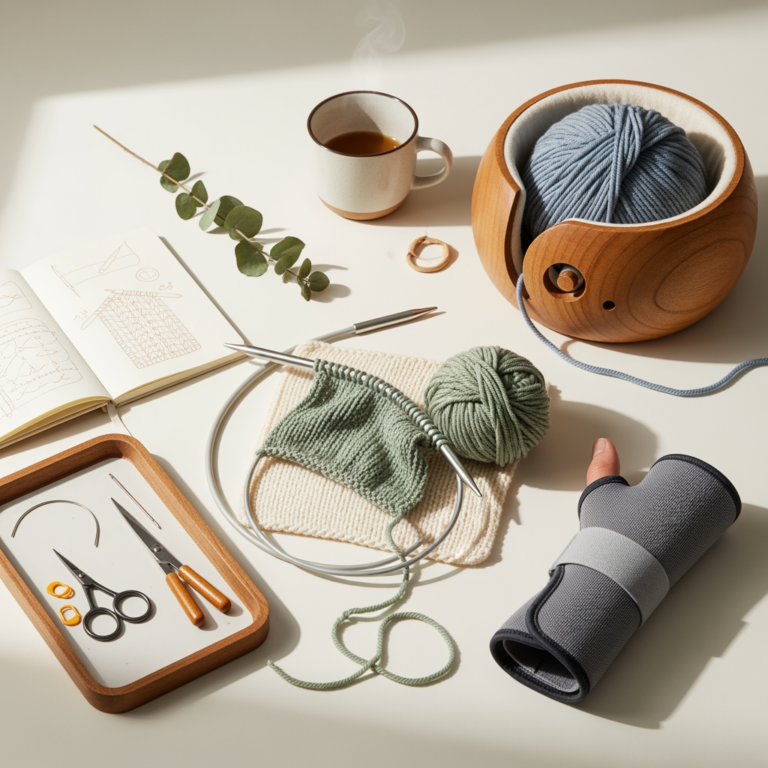
The Maker’s Keep is essentially a silicone slap-bracelet with a powerful magnet embedded in the center. It keeps your stitch markers, darning needles, and tiny cable needles tethered to your wrist so they don’t roll off a cramped airplane tray table.
For the knitter who constantly loses track of their notions, this is a game-changer. You don’t have to hunt through the bottom of your project bag when you need a marker mid-row; it’s right there on your arm.
The tradeoff is the bulk; if you are working on a delicate lace project, the magnet can occasionally feel cumbersome. However, for domestic travel or knitting in tight spaces, the convenience of having your metal tools "pinned" to your wrist outweighs the slight weight.
Clover Chibi Darning Needles: A Travel Essential


Clover’s Chibi set is the industry standard for a reason: the plastic tube is virtually indestructible and keeps your tapestry needles from poking through your project bag. These needles have a slightly bent tip, which is a massive help when weaving in ends or picking up a dropped stitch in a tight fabric.
Many beginners overlook the importance of a blunt tip, but a sharp needle can accidentally split your yarn ply, leading to a messy, frayed finish. These needles are blunt enough to slide between stitches without piercing the fiber itself.
Always keep at least two sizes in your kit. One for bulky, wool-heavy projects and a finer one for sock yarns or lace-weight mohair.
Gingher 4-Inch Embroidery Scissors for Travel

When it comes to scissors, you want precision, not just sharpness. Gingher’s 4-inch embroidery scissors are small enough to be portable but sturdy enough to snip through stubborn cotton or thick, rustic wool without chewing the yarn.
The biggest mistake knitters make is using cheap, dull scissors that fray the yarn ends. A clean cut is essential if you need to perform a "surgical" repair, such as cutting out a section of damaged yarn and re-joining it.
While these are excellent, remember that they are sharp. Always keep them in a sheath or a dedicated small pouch to protect your other notions and your fingers.
Brittany Birch Crochet Hooks for Quick Repairs

A crochet hook is the most versatile tool in your repair kit, serving as the primary device for fixing dropped stitches. I prefer the Brittany Birch hooks because they are smooth, lightweight, and won’t snag delicate fibers like some cheaper aluminum hooks might.
If you drop a stitch, you simply use the hook to ladder it back up through the loops. The wooden texture provides just enough "grip" to hold the yarn securely while you navigate the repair.
If you are working with slippery materials like silk or bamboo, the wood is superior to metal. It prevents the yarn from sliding off the hook while you are in the middle of a delicate laddering maneuver.
Dritz Ezy-Knit Point Protectors for Security
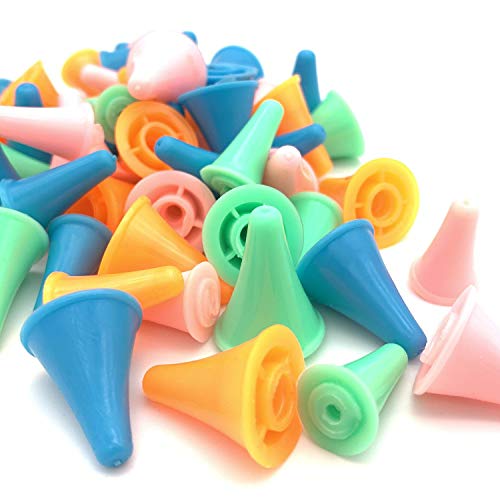
Point protectors are small silicone caps that slide over the tips of your knitting needles. They prevent your stitches from sliding off when you toss your project into your bag, and they stop your needles from poking holes in your luggage.
They are particularly vital if you are using circular needles with long, flexible cables. Without them, your project can easily migrate off the needles and unravel during transit.
Look for the "cap" style rather than the "cone" style if you want a tighter fit. A secure fit ensures that even if your bag gets tossed around, your hard work stays firmly on the needles.
Susan Bates Finishing Needles and Tapestry Set

This set is a staple for those who prefer the classic, bent-tip tapestry needle design. These needles are slightly longer than the Chibi set, which makes them easier to handle if you have larger hands or are working with thick, textured yarns.
I often recommend these for finishing work on sweaters or heavy blankets. The slight curve allows you to scoop up stitches on the inside of a garment without accidentally pulling the needle through to the front side.
They are inexpensive and reliable, making them the perfect "backup" set to keep in your secondary project bag. You never want to be caught without a needle when a seam starts to give way.
HiyaHiya Stainless Steel Repair Hook Assortment
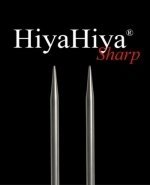
This assortment is for the knitter who works with a wide range of gauges. Having a variety of hook sizes—from very fine for lace to larger for worsted—ensures you can pick up a dropped stitch in any fabric density.
Stainless steel is incredibly durable and won’t bend or snap under pressure. This is a "buy it once" purchase that will last you for the rest of your knitting career.
The only downside is that they can be quite slippery. If you are a beginner, practice using these at home on a swatch before relying on them for a high-stakes repair on a finished garment.
Essential Tools for Every Portable Knitting Kit
To build the perfect kit, you need to balance utility with weight. You don’t need to pack your entire craft room, but you should always have the "Big Four" in your kit:
- A crochet hook (sized to your current project) for dropped stitches.
- Two tapestry needles for weaving in ends or securing loose seams.
- A pair of sharp, small scissors for clean yarn cuts.
- Stitch markers to help you keep your place if you get interrupted.
Think of this kit as your "first aid" for fiber. If you have these four items, you can fix 99% of the problems you will encounter while traveling.
How to Organize Your Notions for TSA Compliance
Traveling with knitting supplies can be nerve-wracking, but it is generally permitted. To stay TSA-compliant, keep your scissors under four inches in length and ensure your needles are made of wood, bamboo, or plastic if possible, as metal needles can sometimes draw extra scrutiny.
Use a clear, zippered pouch so that security agents can see exactly what is inside without having to dig through your bag. This transparency usually speeds up the process significantly.
If you are worried about your favorite needles being confiscated, pack a "throwaway" set of inexpensive bamboo needles for your travel project. It’s better to lose a five-dollar pair of needles than your favorite set of expensive ergonomic ones.
Emergency Fixes for Common Knitting Mishaps
The most common mishap is the dropped stitch. To fix this, insert your crochet hook into the dropped loop, pick up the horizontal "bar" of yarn above it, and pull it through the loop to create a new stitch.
If you snag your yarn, don’t pull at it. Use the tip of a tapestry needle to gently massage the surrounding stitches, redistributing the excess yarn until the snag disappears back into the fabric.
If you run out of yarn mid-row, do not try to tie a knot. Instead, use a "Russian Join" or a "felted join" (if using wool) to weave the new yarn into the old, ensuring a seamless transition that won’t show in the final piece.
Building a travel repair kit is an investment in your peace of mind as a maker. By choosing tools that are durable, portable, and suited to your specific knitting style, you ensure that your creativity is never limited by your location. Remember that most knitting "disasters" are just opportunities to practice your repair skills. Pack light, stay organized, and keep your needles clicking wherever you roam.