
6 Best Cable Needles For Braided Designs To Try
Master complex cables with ease. We review the six best cable needles for braided designs, focusing on grip, material, and comfort for every skill level.
Cables are the architectural wonder of the knitting world, transforming simple yarn into intricate, three-dimensional textures. Choosing the right tool for these twists can mean the difference between a meditative, rhythmic process and a frustrating struggle with dropped stitches. While many knitters reach for the first spare needle they find, the geometry and material of your cable needle significantly impact your tension and speed. This guide explores the best options on the market to ensure your next braided project is a triumph.
Clover Takumi Bamboo Cable Stitch Needles


Bamboo is a natural choice for knitters who find that their stitches slide off metal needles too easily. The Clover Takumi line offers a gentle "grip" that holds onto slippery fibers like silk or bamboo blends, preventing accidental stitch loss during the cable cross.
These needles feature a classic U-shape, which allows them to hang securely while you work the background stitches. Because bamboo is lightweight, it won’t weigh down your fabric or distort the tension of the surrounding stitches.
However, keep in mind that bamboo can be prone to splintering if you are a particularly aggressive knitter. If you notice your yarn snagging, a light buffing with a fine-grit emery board or a quick rub with a bit of beeswax will restore the smooth finish.
ChiaoGoo Stainless Steel Cable Needles
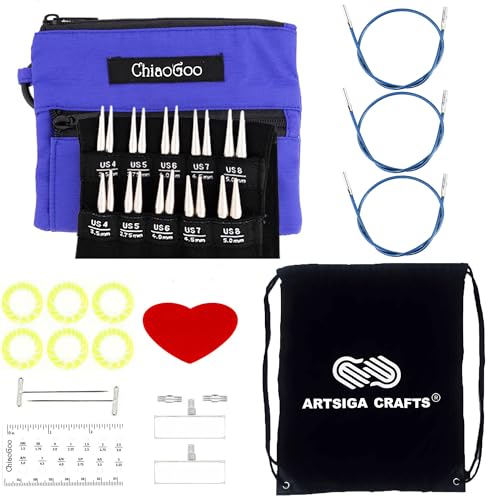
If you crave speed and precision, the ChiaoGoo stainless steel cable needles are a revelation. These needles have a slightly textured, matte finish that provides just enough friction to keep stitches in place without the drag associated with wood.
The surgical-grade stainless steel is incredibly durable, meaning these needles will never warp or snap, regardless of how tight your gauge is. They are particularly excellent for working with high-twist wools or superwash yarns that tend to be slippery.
One trade-off is their weight; because they are solid metal, they can feel a bit heavy in delicate lace-weight projects. If you find them pulling on your fabric, try a smaller size to reduce the weight while maintaining the structural integrity of the cable.
Knitter’s Pride Ginger Cable Needle Set

The Knitter’s Pride Ginger series is as much about aesthetics as it is about function. Crafted from laminated birch wood, these needles are exceptionally smooth and warm to the touch, making them a joy for long knitting sessions.
The set usually includes various sizes, which is essential if you work with a wide range of yarn weights. Having a needle that matches the diameter of your working needles ensures that your cable cross doesn’t look stretched or puckered.
Because they are made of wood, they offer a "grabby" surface that is ideal for beginners learning the mechanics of cabling. They provide a tactile security that helps you focus on the movement of the stitches rather than worrying about them sliding away.
Brittany Birch Wood Cable Needles

Brittany Birch needles are a staple in many traditional knitting kits for good reason. They are handcrafted from sustainably harvested birch, resulting in a tool that feels organic and balanced in the hand.
The finish on these needles is remarkably consistent, providing a smooth glide that doesn’t feel "sticky." They are a fantastic middle-ground option for knitters who find metal too slick but bamboo too textured.
Be aware that because these are natural wood, they can be sensitive to extreme humidity changes. If you live in a very dry or damp climate, store them in a stable environment to prevent the wood from bowing over time.
Addi Metal Cable Needles with Hook Ends

The Addi metal cable needles feature a clever hook-like bend at the ends, which is a game-changer for preventing stitches from slipping off the needle. This design is particularly helpful when you are working on complex, multi-stitch cables that require multiple movements.
The nickel-plated finish is famously slick, allowing for rapid movement through even the most stubborn, sticky wools. If you are working on a large, heavy cabled sweater, these needles provide the necessary strength to hold the weight of the garment without bending.
These are best suited for intermediate to advanced knitters who have developed a steady hand. Because the surface is so smooth, beginners might find that stitches "escape" more easily than they would on a wooden needle.
Susan Bates Crystalites Cable Needles

Susan Bates Crystalites are made from a lightweight, smooth plastic that offers a unique alternative to traditional wood or metal. They are often translucent, which makes it easy to see your yarn color against the needle, reducing eye strain during long sessions.
The material is incredibly smooth, almost approaching the slickness of metal, but with the lightweight feel of wood. This makes them an excellent, affordable choice for knitters who want a versatile tool that won’t break the bank.
The main consideration here is durability; plastic can eventually develop nicks or scratches if you work with abrasive fibers like mohair or certain rustic wools. If you notice a rough spot developing, it is best to replace the needle to avoid snagging your precious yarn.
How to Choose the Right Shape for Your Cables
The shape of your cable needle is just as important as the material. U-shaped needles are excellent for holding stitches in the front or back of the work, as they naturally cradle the yarn.
Straight or "double-pointed" cable needles are better for those who prefer to keep their cable needle parallel to the working needle. These require a bit more manual dexterity, as you must ensure the stitches don’t slide off the ends.
J-shaped or hooked needles are the gold standard for security. The hook acts as a barrier, giving you peace of mind when you are working on a complicated pattern where a dropped stitch could be catastrophic.
Wood vs Metal: Selecting Your Ideal Material
Choosing between wood and metal usually comes down to your yarn choice and your personal tension. Wood provides a natural grip that is perfect for slippery yarns like alpaca, silk, or high-twist superwash merino.
Metal is the superior choice for sticky, rustic yarns that have a lot of "tooth" or fuzz. The slick surface allows you to move through these yarns without having to tug or pull, which prevents hand fatigue.
If you are a tight knitter, avoid wood needles that have too much friction, as they will make your work feel even tighter. Instead, opt for a metal or polished wood needle to help the stitches move more freely across the surface.
Essential Tips for Perfect Cable Transitions
The secret to a crisp cable is the tension at the transition point. When you transfer stitches to your cable needle, try to keep them as close to the working needle as possible to minimize the "gap" that often appears between the crossed stitches.
When you knit the stitches from the cable needle, give the yarn a slightly firmer tug than you would for a standard stitch. This compensates for the extra length of yarn required to cross the stitches, resulting in a tighter, more professional-looking braid.
Always ensure your cable needle is the same size or slightly smaller than your working needles. Using a larger needle will create a visible hole or a loose, sloppy-looking cable that disrupts the flow of your design.
Troubleshooting Common Cable Knitting Mistakes
If you find that your cables are consistently pulling or creating holes, you are likely dealing with tension issues at the cross. Blocking is your best friend here; a good soak and steam will often even out those minor variations in tension that occur during the cabling process.
If you find yourself constantly dropping stitches, switch to a needle with a deeper hook or a stopper at the end. It is also helpful to work your cables over a solid surface, like a table, to keep your hands steady and focused.
Finally, don’t be afraid to use a smaller needle size for the cable itself. A needle one size smaller than your main set can help manage the extra yarn length and keep the cable tight and integrated into the fabric.
Mastering cables is a journey of finding the right balance between the tools you use and the yarn you choose. Whether you prefer the warmth of birch or the lightning-fast glide of stainless steel, the best cable needle is the one that feels like an extension of your own hands. Don’t be afraid to experiment with different materials until you find the perfect match for your individual knitting style. With the right tool in hand, those complex braids will soon become your favorite part of the knitting process.
