
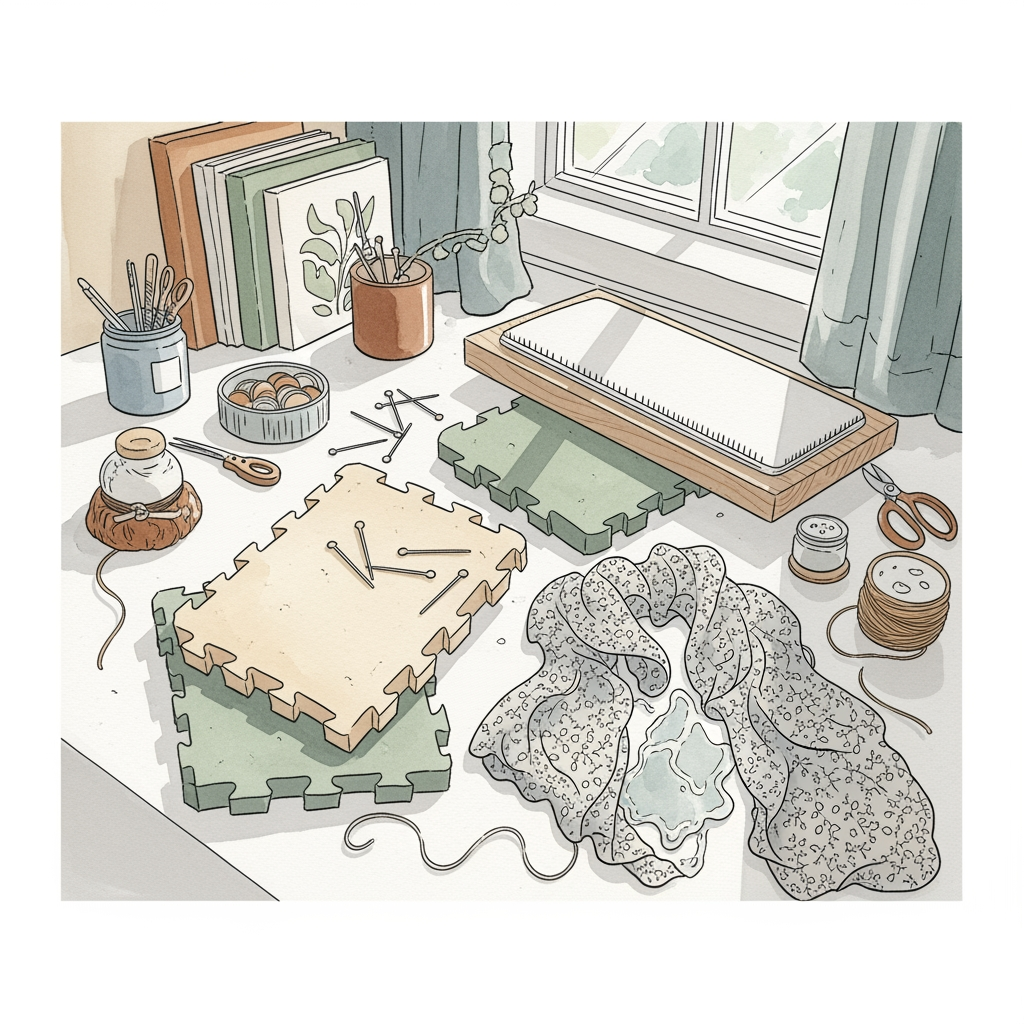
6 Best Foam Blocking Tiles For Lace Shaping
Perfect your lace projects with our top 6 foam blocking tiles. Discover durable, heat-resistant, and interlocking options for precise, professional shaping.
Blocking is the final, transformative step that turns a crumpled piece of knitting into a professional-grade masterpiece. Without the right surface, your delicate lace points will remain rounded and your stitch definition will stay hidden. These six foam blocking tile sets provide the structure and reliability needed to unlock the full potential of your yarn. Choosing the right mat is an investment in the longevity and presentation of your hard work.
Knitter’s Pride Lace Blocking Mats: Best Overall


These mats have become the industry standard for a reason: they strike the perfect balance between firmness and pin-ability. When you are working with a delicate mohair-silk blend, you need a surface that holds a T-pin securely without shifting under the tension required to open up those intricate eyelets.
The grid lines printed directly onto the surface are a game-changer for symmetry. If you are blocking a circular shawl or a complex triangular wrap, these markings ensure your points are equidistant from the center. It eliminates the guesswork that often leads to lopsided finished projects.
The bottom line is that these offer the most consistent experience for a wide variety of lace weights. While they are a bit of an investment, the durability of the foam means they won’t crumble or lose their grip after a few years of heavy use.
Susan Bates Knit Chek Blocking Tiles: Best Value
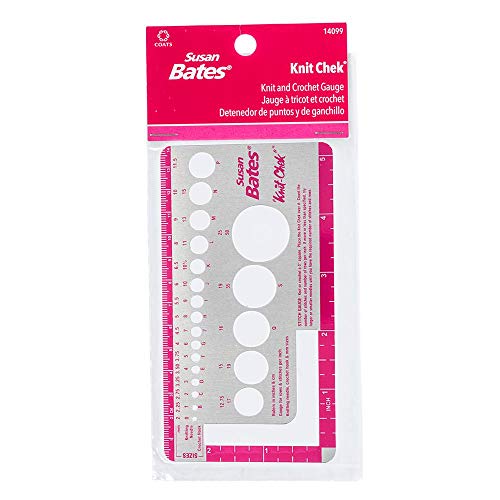
If you are just beginning your journey into lace knitting, you don’t necessarily need the most expensive equipment on the market. These tiles offer a functional, no-frills surface that gets the job done at a very accessible price point.
The foam is slightly softer than premium options, which makes inserting pins incredibly easy. However, this also means you need to be careful not to "over-stretch" your lace, as the pins can occasionally tilt if you apply too much horizontal tension.
They are excellent for smaller projects like scarves or cowls where the total tension isn’t immense. If you’re a budget-conscious knitter who wants to expand their toolkit, these are a fantastic entry point.
Exqline Extra Thick Foam Mats: Best for Stability

There is nothing more frustrating than a blocking mat that slides across your dining room table while you are trying to pin out a massive lace shawl. The extra thickness and weight of the Exqline mats provide a solid, non-slip base that stays put regardless of how much you tug on the fabric.
The increased density also means that T-pins sit perfectly vertical, which is vital for maintaining consistent tension across the entire width of your work. If you are working with heavy, rustic wools that require a firm hand to "set" the shape, this extra stability is invaluable.
Because they are thicker, they are also more forgiving if you are blocking on a carpeted surface or an uneven table. They provide a level of structural integrity that thinner mats simply cannot match.
ArtBin Foam Blocking Tiles: Best Modular Design
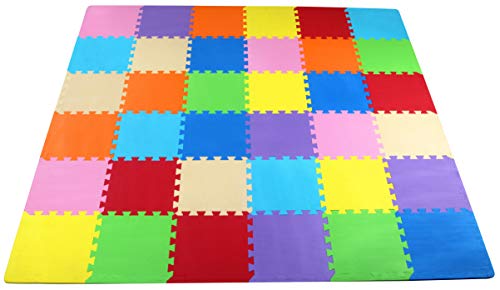
The modular nature of these tiles makes them a favorite for knitters with limited space. You can snap them together to create a long, narrow rectangle for a scarf, or arrange them into a large square for a heavy blanket, keeping your workspace as efficient as possible.
The interlocking teeth are precise, meaning you won’t have gaps where your pins might snag or fall through. This seamless connection is essential when you are working with fine, fragile lace yarns that catch on the slightest imperfection.
If you rotate through different types of projects—from tiny lace doilies to massive sweaters—the flexibility of this system is hard to beat. You only need to set up the amount of space you actually require.
Clover Blocking Mats: Best for Precision Shaping
Clover is known for their attention to detail, and these mats are no exception. The surface texture is specifically designed to grip the yarn slightly, which helps keep your lace points in place even before you drive the pin home.
The precision of the grid lines is perhaps the most accurate in the industry. For a knitter who is obsessed with perfect geometry—like a complex geometric lace pattern—this level of detail is a massive help.
They are quite firm, which is ideal for blocking items that need a strong, permanent shape. If you are a perfectionist who spends as much time measuring as you do knitting, these mats will feel like a natural extension of your process.
Mindful Collection Lace Mats: Best for Aesthetics
Functionality is paramount, but there is no reason your tools can’t be beautiful as well. The Mindful Collection mats feature a calming color palette and a clean, minimalist design that makes the blocking process feel a bit more like a meditative ritual.

Beyond the aesthetics, the material quality is top-tier. The foam is highly resistant to moisture, which is critical since you are often pinning out damp, freshly washed lace.
These are perfect for the knitter who views their craft as an art form. They provide a high-quality, professional surface that doesn’t look like a child’s playroom puzzle mat.
Why Foam Density Matters for Delicate Lace Work
Foam density is the silent factor that determines whether your lace stays blocked or "springs back" to its original shape. If the foam is too soft, the tension from the yarn will pull the pins toward the center, causing your lace points to curl inward rather than standing crisp and sharp.
High-density foam acts as a rigid anchor. It allows you to exert the necessary force to open up the stitches of a superwash wool or a delicate alpaca blend without the mat yielding under the pressure.
When shopping, look for foam that feels firm to the touch rather than squishy. A good test is to press your thumb into the material; if it leaves a lasting indentation, it may be too soft for heavy-duty lace shaping.
How to Properly Secure Lace Using T-Pins and Mats
The secret to perfect lace is not just the mat, but how you use your T-pins. Start by pinning the center points of your project first, working your way outward to ensure the tension is distributed evenly across the entire piece.
Always angle your T-pins slightly outward, away from the center of the project. This creates a "hook" effect that prevents the yarn from slipping off the top of the pin as it dries.
Avoid the common mistake of over-stretching the fabric. Lace should be blocked to its natural, open state, not pulled until the yarn fibers are screaming; over-stretching can permanently distort the stitch structure and ruin the drape of the garment.
Maintaining Your Blocking Mats for Long-Term Use
Your mats are a long-term investment, so treat them with care. After each use, wipe them down with a damp cloth to remove any residual dye or lint, especially if you are working with dark, saturated colors that might bleed.
Store them flat or in their original packaging to prevent the edges from warping. If the interlocking teeth become bent, the mats will no longer lay flat, which can introduce unwanted ripples into your finished lace.
Keep them away from direct heat sources like radiators or intense sunlight. Excessive heat can cause the foam to become brittle over time, reducing its ability to hold pins securely.
Essential Tips for Achieving Perfect Lace Points
To get those needle-sharp points, use a "pin-and-tug" technique. Insert the pin through the center of the lace eyelet, then gently pull the fabric toward the desired position before pushing the pin all the way down into the mat.
If you are working with a very fine lace weight yarn, consider using stainless steel T-pins to avoid rust. Even a tiny amount of rust on a pin can leave a permanent stain on light-colored mohair or silk.
Lastly, be patient and let the project dry completely. Removing pins while the yarn is still even slightly damp will cause the lace to lose its shape, undoing all the precise work you just put into the blocking process.
Investing in quality foam blocking tiles is the final act of respect you can show your handmade lace. By selecting a mat that offers the right density, grid accuracy, and stability, you ensure that your hours of careful knitting are perfectly displayed. Remember that the goal of blocking is to celebrate the stitch pattern, not to force it into submission. Take your time, trust your tools, and enjoy the transformation of your project.
