7 Best Acid Free Boards For Framing Worth Using
Preserve your artwork with our expert guide to the 7 best acid-free boards for framing. Choose the perfect backing for long-term protection and shop today.
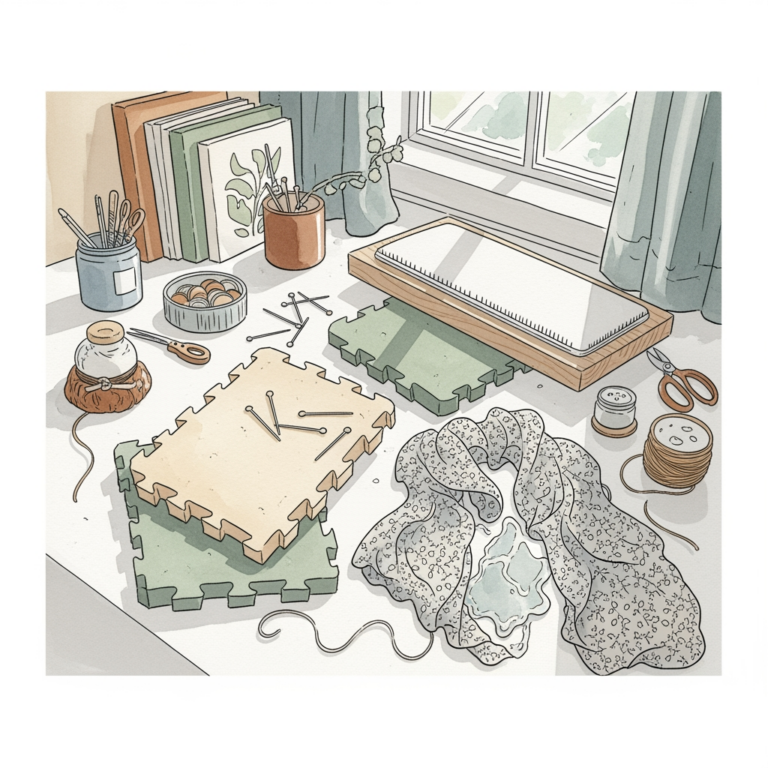
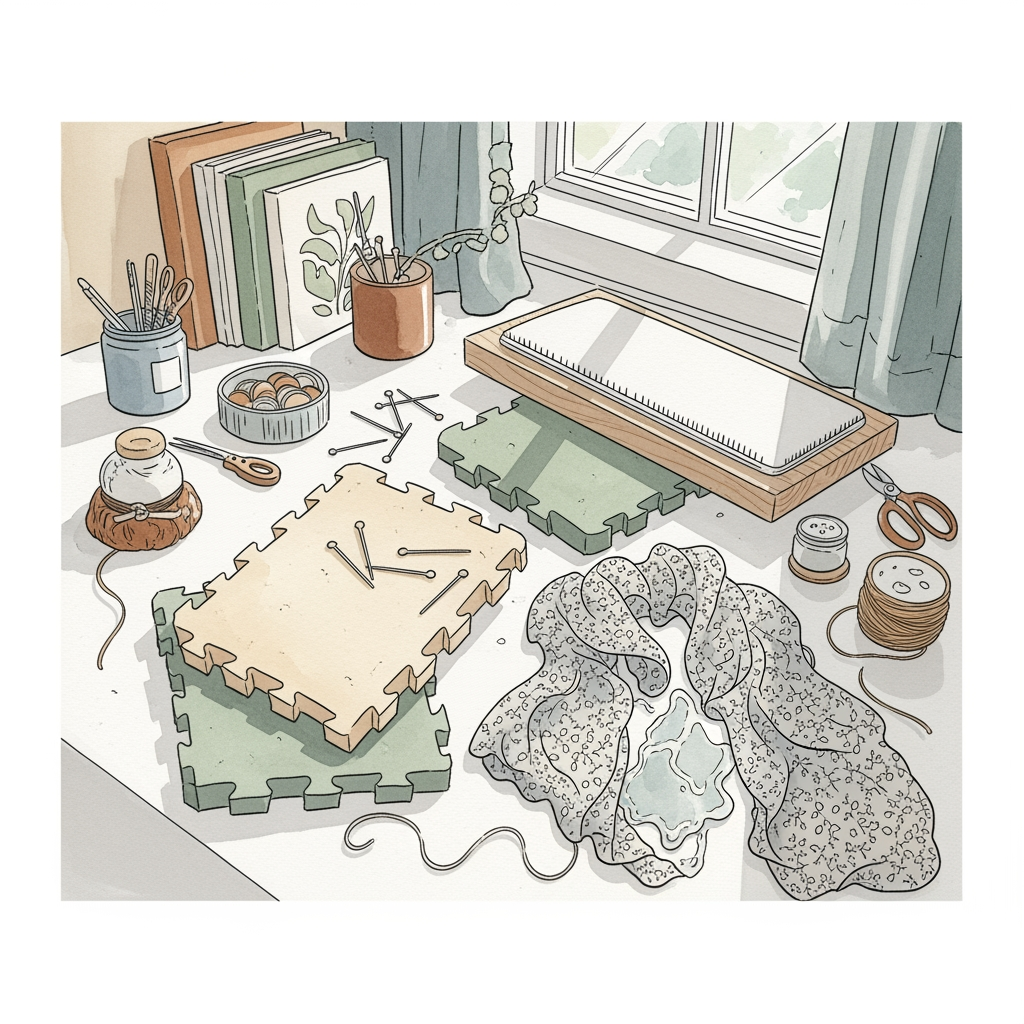
Framing a completed textile project is the final, vital step in honoring hundreds of hours of painstaking work. Whether displaying a delicate lace doily or a complex, stranded colorwork wall hanging, the mounting board serves as the structural foundation for the piece. Using subpar materials often leads to discoloration or chemical degradation over time, undoing the effort invested in choosing high-quality fibers. Selecting the correct archival board ensures that the tension, blocking, and fiber integrity remain preserved for decades.
Bainbridge Artcare Archival: Best Overall


Bainbridge Artcare is widely regarded as the gold standard for long-term textile preservation. It features patented MicroChamber technology, which actively traps and neutralizes pollutants and acids that can cause fibers to yellow or degrade.
This board provides a rigid, stable surface that is essential when pinning down a piece that requires aggressive blocking. If a project involves heavy wool or dense, felted elements, the structural integrity of this board prevents sagging or warping over time.
It is an investment piece for heirloom-quality work. For those mounting a project made of rare fibers like qiviut or delicate hand-dyed silk, the extra protection offered by the active chemistry is worth the price.
Lineco Acid-Free Foam Core: Best for DIY
Lineco provides a lightweight, easy-to-cut solution that is perfect for smaller projects or trial displays. Its pH-neutral nature ensures that direct contact with delicate yarns does not introduce harmful acidity to the textile.
The primary advantage is the ease of manipulation. Using a sharp craft knife, the board can be resized to fit custom frames without the need for industrial cutters, making it ideal for the home studio setup.
Because it is foam-based, it is more susceptible to indentations compared to solid board. Keep this in mind when pinning down intricate lace; apply gentle tension rather than forcing the pins into the core, as the foam structure can collapse under repeated pressure.
Crescent RagMat Museum Board: Pro Choice
RagMat is constructed from 100% cotton fibers, mirroring the purity required for professional archival framing. Cotton is naturally free of the wood-pulp acids found in standard mat boards, providing a safe, inert environment for natural fibers like alpaca or merino.
This board offers a smooth, dense surface that accepts pins firmly without leaving large, unsightly gaps. It is the preferred choice for projects where the mounting board edges remain visible, as the cotton core remains consistent in color and quality throughout.
Consider this for pieces that will hang in areas with fluctuating humidity. While no board is entirely immune to environmental shifts, the natural cotton construction responds more predictably to humidity than wood-pulp alternatives.
Peterboro Museum Mat: Top Archival Pick
Peterboro specializes in boards that meet strict conservation standards, ensuring total protection against environmental deterioration. The boards are buffered to resist acidic migration, which is critical if a textile is being framed against another material, such as glass or a wood backing.
The density of this board makes it an excellent choice for needlepoint or tapestry work that requires uniform tensioning across the entire surface. It does not compress as easily as foam, allowing for a tight, professional-grade finish.
Check the thickness requirements of the frame rabbet before purchasing. Because these boards are thicker and more substantial than standard options, ensure they fit comfortably without putting undue pressure on the glass or the textile.
Nielsen Bainbridge Alphamat: Color Options
Alphamat offers a sophisticated range of colors that can complement the tones in a hand-dyed project. While the aesthetic choice is secondary to preservation, having a board that enhances the subtle gradients of a variegated yarn is a significant benefit.
The surface is treated with fade-resistant pigments, ensuring the mat color does not clash with the textile over time. This is especially helpful when framing a project with a neutral palette that relies on the background for contrast.
Always choose a color that is slightly muted compared to the most vivid color in the piece. This ensures the knitting remains the focal point while the board provides a professional, gallery-style finish.
Logan Mat Board Blanks: Great Value Pick
Logan blanks are designed for those who frame multiple pieces or prefer to cut their own custom sizes. They provide a reliable, acid-free surface at a price point that encourages regular updates to a gallery wall.
These boards are sturdy enough for medium-weight projects like cotton dishcloths or small swatch displays. They lack the specialized chemical buffers of museum-grade boards, but they offer sufficient protection for shorter-term displays.
If the goal is to frame a series of swatches for a design portfolio, these are the most practical choice. Invest in a dedicated mat cutter to ensure clean, precise edges, which significantly elevates the look of a DIY frame job.
Golden State Art Mats: Easiest Pre-Cuts
For knitters who want a quick, “ready-to-frame” solution, pre-cut mats eliminate the stress of measuring and cutting. These are convenient for standard-sized projects, such as a square block or a rectangular lace scarf end.
These sets typically come with a backing board and a window mat, creating a complete sandwich for the textile. This simplifies the process of mounting significantly, as the materials are designed to fit together immediately.
Measure the finished dimensions of the blocked piece carefully before buying. A project that is off by even a quarter-inch can look lopsided in a pre-cut mat, so always add a slight border to accommodate the edge of the knitting.
Foam Core vs. Rag Mat: Which Should You Use?
Foam core is light, inexpensive, and easy to pin into, but it is fundamentally a temporary material. It is best suited for light, non-heirloom projects where the aesthetic of the display might change frequently.
Rag mat provides a dense, solid, and chemically stable environment for the long term. It is the only choice for precious items, such as a christening gown or a wedding shawl, as it provides the necessary weight and longevity.
If the project is a thick, textured wool piece, the density of a rag mat supports the weight better without bowing. Use foam core for lighter, synthetic-blend projects where ease of installation is the primary concern.
How to Properly Mount Fabric on Foam Board
To mount a textile on foam board, stretch the piece over a piece of acid-free batting to provide a soft cushion. Use rust-proof, stainless steel sewing pins to secure the edges of the knitting to the foam core, working from the center outward to ensure even tension.
Avoid using adhesives directly on the textile. Gluing fiber permanently alters its structure and can cause irreversible damage or discoloration; pinning allows the textile to breathe and remain in its original state.
Once pinned, check the alignment against the frame before sealing the back. If the piece is heavy, wrap the foam board in an acid-free tissue layer first to provide a protective barrier between the textile and the board surface.
Why “Acid-Free” Is Essential for Your Work
Acids in paper and wood-based boards migrate into textile fibers, causing them to become brittle, yellowed, and eventually prone to snapping. Even if the project looks fine today, this chemical degradation process is invisible and continuous.
Natural fibers like wool, silk, and linen are particularly vulnerable to these chemical reactions. A piece that remains acid-free is far more likely to maintain its original luster, tensile strength, and color depth over decades.
Investing in high-quality mounting boards is a final act of respect for the time and skill invested in every stitch. It transforms a piece of finished knitting from a simple object into a preserved work of art.
Choosing the right mounting board is as essential as selecting the perfect yarn for a pattern, as it dictates the longevity and presentation of the finished piece. By prioritizing acid-free materials and understanding the structural needs of the textile, the investment of labor remains protected and displayed with the care it deserves.