7 Best Wool Roving Organizers For Color Sorting
Organizing wool roving is key to efficient crafting. We review the 7 best storage solutions for color sorting to keep your fiber stash tidy and accessible.
Walking into a craft room overflowing with unorganized wool roving is a sensory delight, but it is a logistical nightmare when you need that specific shade of teal for a needle-felting project. Proper storage isn’t just about aesthetics; it is about protecting your investment in high-quality fibers from pests, light damage, and compression. Whether you are a spinner or a felter, these storage solutions will help you keep your stash accessible and pristine. Let’s look at the best ways to bring order to your fiber collection.
ArtBin Super Satchel: Best for Large Collections
If you have accumulated a mountain of roving, the ArtBin Super Satchel is a game changer. Its deep, rectangular design allows you to fit large amounts of fiber without crushing the delicate loft of the wool.
The clear plastic construction is excellent for a quick visual inventory. You can easily spot the difference between a Corriedale and a fine Merino without opening every single container.
However, keep in mind that plastic doesn’t breathe. If you live in a humid climate, throw a few silica gel packets inside to prevent any moisture buildup that could lead to mildew.
Sterilite Clear Drawer Unit: Best Value Storage
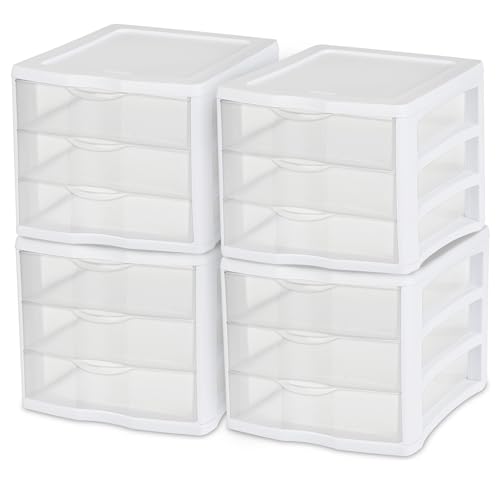

For those who want to categorize by color without spending a fortune, the Sterilite drawer unit is the industry standard. These modular towers fit perfectly into closets or under tables.
The beauty here is the ability to label each drawer. You can dedicate one to warm tones, one to cool tones, and one to neutrals, making it incredibly fast to pull out what you need for a project.
The trade-off is the quality of the plastic; it can be brittle over time. Treat the drawers gently, and they will serve your fiber stash faithfully for years.
Ikea Komplement Pull-Out Tray: Best Closet Setup
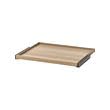
If you have a dedicated craft closet, the Komplement pull-out trays are a luxury worth every penny. They slide out effortlessly, giving you a top-down view of your entire fiber collection.
Because these trays are shallow, you won’t be tempted to stack your roving too high. This prevents the bottom layers from becoming matted or compressed, which preserves the crimp and ease of spinning.
They are essentially a high-end drawer system for your wool. Just ensure your closet door has enough clearance for the trays to slide out fully.
Muji Polypropylene Case: Best for Small Batches

Muji cases are perfect for the knitter who keeps a curated stash of specialty fibers like silk blends or luxury angora. They are sleek, minimalist, and stack beautifully on a desk.
Because they are smaller, they force you to be disciplined about your color sorting. You can easily dedicate one case to a specific color palette, keeping your workspace clean and focused.
They are not meant for bulk storage of raw fleece, but for processed roving, they are ideal. Their durability is excellent, and they look far more professional than standard storage bins.
Darice Stackable Jar Set: Best for Color Sorting

Small bits of roving, such as those used for needle felting or adding pops of color to a hand-spun yarn, can easily get lost. The Darice stackable jar system keeps these tiny amounts perfectly sorted.
Seeing your colors stacked vertically is not only practical but also visually inspiring. It helps you see how colors transition, which is vital when you are planning a gradient or a variegated spin.
The screw-top lids provide a decent seal against dust. Just be careful not to overstuff the jars, as you want to keep the fiber airy and ready to draft.
Whitmor Hanging Organizer: Best Vertical Storage

If floor space is at a premium, look up. A hanging closet organizer, like the Whitmor, utilizes vertical space that would otherwise go to waste.
This is a great solution for keeping roving in clear view while keeping it off the floor. It is especially useful for those who have pets, as it keeps your expensive wool out of reach of curious paws.
The downside is that it doesn’t offer a sealed environment. Use this for your "in-rotation" stash rather than long-term storage for expensive, rare fibers.
Honey-Can-Do Rolling Cart: Best Mobile Solution

Sometimes you don’t have a dedicated studio, and you need your roving to move with you. A rolling cart allows you to bring your entire color palette to your favorite knitting chair.
The wire baskets provide excellent airflow, which is the gold standard for natural fibers. You can see through the mesh, making it easy to grab exactly what you need while you work.
Make sure to keep this cart away from direct sunlight. Even though it is mobile, leaving it parked in a sunny window will cause your beautiful hand-dyed roving to fade over time.
How to Organize Wool Roving by Fiber and Weight
When sorting your roving, the first rule is to group by fiber type. Keep your long-staple fibers like Bluefaced Leicester separate from your shorter-staple fibers like Merino to avoid cross-contamination.
Next, consider the weight or the "grist" of the roving. If you are spinning, you want your fiber to be consistent in thickness; sorting by how it drafts will save you hours of frustration at the wheel.
- Group by Breed: Keep your soft, fine wools away from the coarser, long-wool breeds.
- Group by Process: Keep your combed top separate from your carded batts.
- Color Mapping: Use a color wheel to arrange your roving; it makes selecting color combinations for projects much faster.
Essential Tips for Keeping Roving Dust-Free
Dust is the enemy of fine wool, as it eventually works its way into the fibers and becomes impossible to remove without washing. Always aim for containers that have a tight-fitting lid or a seal.
If you use open storage, consider covering your bins with a light cloth or a sheet. This allows the fiber to breathe while acting as a filter against household dust and pet dander.
Avoid storing your roving in cardboard boxes if possible. Cardboard can harbor pests and also contains acids that can degrade delicate fibers over many years.
Maintaining Fiber Integrity During Long Storage
The biggest mistake knitters make is compressing their roving to save space. Fiber needs to "breathe" to maintain its natural crimp, which is the structural integrity that makes wool elastic and durable.
If you must store fiber for a long time, use cedar blocks or lavender sachets inside your bins. These are natural moth repellents that keep your stash smelling fresh without the chemical odor of mothballs.
Finally, check your stash twice a year. Taking everything out, shaking it gently, and rearranging it not only keeps you organized but also ensures that no unwanted visitors have made a home in your stash.
Organizing your wool roving is a deeply personal process that should reflect how you actually work with your materials. Whether you prefer the visibility of clear drawers or the airflow of wire carts, the best system is the one that keeps you excited to create. By protecting your fiber from the elements and keeping your colors sorted, you ensure that your next project starts with joy rather than a search. Happy spinning and knitting, and may your stash always be well-ordered!