6 Best Adhesive Labels For Color Coding Supplies
Streamline your workspace with our top 6 picks for adhesive labels for color coding supplies. Read our expert guide to choose the best markers for your needs today.
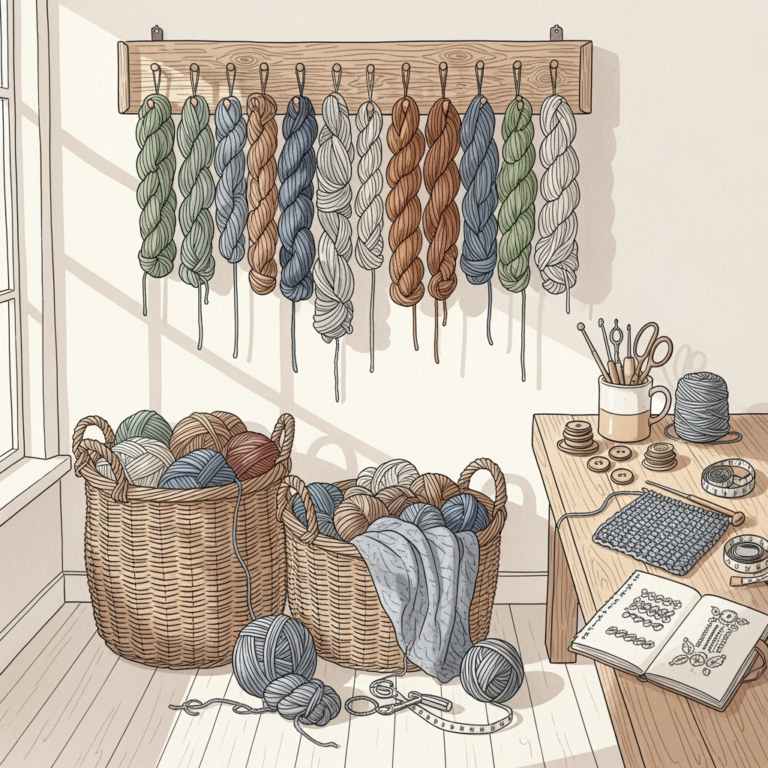
A well-organized yarn stash is more than just an aesthetic goal; it is a fundamental tool for managing project gauge, fiber content, and dye lots effectively. When the library of fiber grows, keeping track of varying needle sizes and yarn weights becomes a logistical challenge. Utilizing an adhesive labeling system provides a clear visual roadmap, preventing the frustration of misidentifying a hand-dyed merino wool or a synthetic blend mid-project. The following guide highlights the best labeling solutions to streamline the fiber arts workspace.
Avery Removable Color-Coding Dots: Best Overall


Standardization is the cornerstone of a functional studio, and these dots offer exactly that. They provide a clean, uniform look that makes scanning through plastic bins or storage drawers effortless.
Because they are designed to be removable, they are perfect for project-specific labeling. If a specific yarn weight is repurposed for a different garment, the label peels away without leaving behind a gummy, fiber-attracting residue.
These are the industry standard for a reason. They adhere well enough to remain in place through seasonal storage but release easily when it is time to cycle stock.
ChromaLabel Color-Coding Labels: Most Versatile

Variety in shape and color is essential when categorizing a complex stash. ChromaLabel offers a vast range of options, allowing for highly granular systems where color denotes fiber content and shape might denote weight or source.
Using different shapes helps when sorting by feel. A square label can signify protein fibers like wool or alpaca, while a round label might indicate plant-based fibers like cotton or linen. This allows for quick identification even when the label text is obscured.
The adhesive on these is remarkably consistent across their entire product line. They are reliable enough to stay stuck to smooth acrylic containers or metal project tins for years at a time.
Royal Green Color-Coding Dot Stickers: Best Budget
When maintaining a large, multi-year stash, the cost of labeling supplies can add up quickly. These stickers provide the necessary utility without the premium price tag associated with office-supply brands.
They hold color well over time, resisting the fading that often occurs in bright sunlight or near windows. This is vital for yarn storage, as it ensures that the color system remains accurate even if bins are moved around the studio.
While the adhesive is slightly less “premium” than other options, it serves the purpose for indoor storage perfectly. They are the ideal choice for labeling dozens of skeins at once without worrying about the inventory cost.
Washi Tape Rolls: The Most Creative Option
Washi tape introduces a tactile and aesthetic element to the organizational process. It is exceptionally easy to tear to custom lengths, making it ideal for labeling items with irregular shapes, such as needle gauges or small notions cases.
The semi-translucent nature of many washi tapes allows for layering. A base layer of one color can indicate the yarn brand, while a strip of patterned tape can indicate the specific collection or dye lot.
It is important to note that the adhesion of washi tape is light. It is best used for static, long-term storage rather than items that are frequently handled, carried in a project bag, or shifted during a knitting session.
PackaGoat Dissolvable Labels: Best for Swatches
Swatching is the most critical step in garment construction, yet managing those small, unlabeled scraps of yarn is a common point of failure. These dissolvable labels are specifically engineered to vanish when exposed to water.
As a swatch is finished and moved to the blocking stage, these labels simply dissolve in the wash basin. This eliminates the need to remove sticky residues from fibers, which is especially important for delicate silks or fuzzy mohairs.
They are an ingenious solution for keeping track of multiple test gauges during a single design project. Label the swatch, complete the measurements, and let the label disappear during the final soak.
Mr-Label Waterproof Vinyl Labels: Most Durable
Vinyl labels are the heavy-duty choice for labeling items that endure high-friction environments, like project bags or hard-shell carrying cases. They are resistant to moisture, oils, and the accidental wear and tear of a busy knitting lifestyle.
These are particularly useful for labeling needle organizers or tool cases that might be taken to workshops or retreats. Unlike paper-based stickers, vinyl won’t tear or blur if it comes into contact with a spilled water bottle or a damp hand.
Because they are quite permanent, be mindful of where they are placed. They are best reserved for permanent storage bins rather than individual yarn labels, as their strong adhesive can be difficult to remove from raw fibers.
How to Choose the Right Labels for Your Supplies
Choosing the right label requires an assessment of both the container and the frequency of access. If the goal is to label a bin that is rarely opened, a standard paper dot is sufficient and cost-effective.
For items that travel in project bags, such as circular needles or interchangeable needle sets, prioritize durability. Vinyl or moisture-resistant labels prevent the “fuzzing” or peeling that occurs when labels rub against other tools.
Consider the surface tension of the item. Smooth surfaces like plastic bins allow for almost any adhesive, but textured surfaces or woven storage bags require a much more aggressive adhesive to keep the label from curling.
Removable vs. Permanent: Which Adhesive Is Best?
Removable adhesives are the gold standard for inventory that changes regularly. They rely on “tack” rather than a chemical bond, allowing for clean removal even after several months in storage.
Permanent adhesives are designed for longevity and should only be applied to surfaces that will not change, such as the outside of a permanent yarn rack or a fixed wooden shelf. Using permanent labels on yarn tags or skein labels can lead to frustration when the inventory is reorganized.
If in doubt, perform a test. Place a small sample of the adhesive on an inconspicuous area and leave it for 48 hours; if it leaves residue when removed, it is a permanent bond and should be avoided for delicate fiber storage.
A Simple System for Color-Coding Your Yarn Stash
A logical system should start with the most important variable: fiber type. Assign warm colors like red and orange to animal fibers, and cool colors like blue and green to plant-based or synthetic fibers.
Next, use color intensity to represent yarn weight. A light shade of a color can signify lace or fingering weight, while a bold, dark shade of that same color represents worsted or bulky weights. This creates a visual hierarchy.
Keep a legend in the front of a project notebook or pinned to the storage shelving. This ensures that the system remains consistent and that any future labels added to the stash adhere to the established logic.
Safely Removing Labels Without Damaging Surfaces
Removing adhesive residue from sensitive surfaces or yarn wrappers requires patience and the right solvent. A light touch with a hair dryer can soften the adhesive, allowing for a clean peel without tearing the base material.
For sticky residue left behind, a small dab of olive oil or a citrus-based cleaner works wonders on non-porous surfaces. Wipe the area thoroughly afterwards to ensure no oily residue remains to attract dust or damage natural fibers.
Never use harsh chemical solvents like acetone on plastics or delicate storage containers, as this can degrade the material and cause long-term clouding. Always start with the least invasive method, such as a simple cloth dampened with warm water and a tiny bit of mild soap.
A well-labeled yarn stash transforms the knitting experience, turning a chaotic pile of possibilities into a curated library of potential. By choosing the right adhesive for each specific need, the focus stays where it belongs: on the joy of creating beautiful, enduring textiles.