7 Best Ergonomic Awls For Pre-Punching Holes
Discover the 7 best ergonomic awls for precise leatherwork. We evaluate grip comfort and durability to help you choose the ideal tool for your craft projects.
Many knitters overlook the importance of pre-punching holes when attaching leather labels, closures, or structural reinforcements to their hand-knit garments. Using an ergonomic awl prevents the frustration of splitting delicate fibers or struggling with blunt needles through dense materials. Choosing the right tool transforms a potentially damaging task into a professional, seamless finishing step. This guide explores the best ergonomic options to ensure your hard work stays protected and polished.
Clover Ergonomic Awl: Best Overall for Comfort
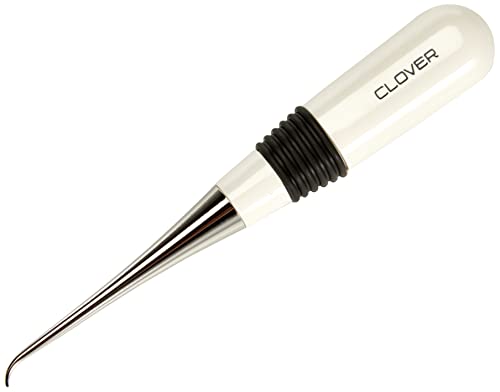

The Clover Ergonomic Awl features a signature handle shape that fits naturally into the palm, reducing hand fatigue during long finishing sessions. If you are attaching a series of leather toggles to a heavy wool coat, this tool provides the stability needed to maintain a consistent angle.
The handle’s texture is specifically designed to prevent slipping, even if your hands are tired from hours of grafting or weaving in ends. It offers a perfect balance between weight and maneuverability, making it the most versatile choice for the average knitter’s toolkit.
The primary trade-off is the thickness of the tip, which is better suited for medium-weight leather rather than extremely fine, delicate ribbons. For most knitting applications, the Clover is the gold standard for long-term comfort.
Fiskars Softgrip Awl for Precise Stitch Holes

Fiskars is well-known for ergonomic design, and their Softgrip awl is no exception, offering a cushioned surface that feels gentle during repetitive tasks. This tool is ideal for knitters who suffer from arthritis or general hand strain when working with rigid materials.
The tip is tapered to perfection, allowing you to control the size of the hole precisely before you pull your tapestry needle through. This is crucial when working with luxury fibers like silk or cashmere, where you want to minimize the footprint of any hardware.
While the grip is excellent, the tool is slightly lighter than industrial-grade awls, which might feel less substantial to some users. If precision is your priority for delicate closures, the Fiskars Softgrip is an indispensable asset.
Beadsmith Ergonomic Awl for Delicate Fiber Work

The Beadsmith Ergonomic Awl features a slender, needle-like tip that is perfect for fine-gauge projects. If you are adding small metal charms or delicate leather tags to a lace shawl, this tool ensures you don’t accidentally fray the surrounding stitches.
Its ergonomic handle is smaller than heavy-duty alternatives, making it easier to maneuver in tight spaces. You can easily navigate between cables or complex texture patterns without catching adjacent loops.
Be careful, however, as the tip is quite fine and can bend if forced through thick, stubborn leather. Use this tool exclusively for light-duty finishing work on fingering or lace-weight projects.
Dritz Heavy Duty Awl for Thick Leather Projects

When your project involves heavy-duty leather patches or thick, vegetable-tanned straps, the Dritz Heavy Duty Awl is your best defense. This tool is built to withstand the pressure required to pierce through multiple layers of material without buckling.
The handle is designed for maximum leverage, allowing you to apply force safely without putting unnecessary strain on your wrists. It is a robust tool that feels like a permanent fixture in a serious knitter’s studio.
Because it is designed for heavy work, it is far too aggressive for delicate yarns or fine-gauge fabrics. Reserve this tool for structural reinforcements on heavy outerwear or bags.
Wuta Professional Stitching Awl for Leathercraft

The Wuta Professional Stitching Awl is a favorite for those who take the "leathercraft" side of knitting accessories seriously. Its diamond-shaped tip creates a clean, professional-looking hole that mimics the look of high-end, hand-stitched leather goods.
This tool is exceptionally sharp and requires very little pressure to pierce through even the toughest materials. The ergonomic wood handle provides a classic feel that many crafters find more comfortable than plastic grips over time.
Because it is so sharp, you must be extremely careful not to over-penetrate and hit your work surface or your fingers. This is the professional choice for knitters who want their leather additions to look like a master-crafted product.
Tandy Leather Scratch Awl for Consistent Spacing

The Tandy Leather Scratch Awl is a staple for a reason: its simple, classic design allows for incredible consistency. If you are spacing holes for a long leather border, this tool helps you maintain a steady rhythm.
The handle is shaped to fit comfortably in the hand, and the steel shaft is durable enough for years of consistent use. It provides a clean, round hole that is perfect for passing yarn or waxed thread through.
It lacks the "cushion" of modern ergonomic grips, so it may not be the best choice for those with significant hand pain. However, for pure, reliable performance, the Tandy remains a top-tier choice.
Darice Comfort Grip Awl for Budget Conscious Use
The Darice Comfort Grip Awl proves that you don’t need to break the bank to get a functional, ergonomic tool. It features a simple, soft-touch handle that provides enough grip for occasional projects like attaching a single label to a hat.
It is lightweight and easy to store in a standard knitting kit, making it a great "just in case" tool. It handles medium-weight materials with ease and offers a comfortable enough grip for short bursts of work.
While it lacks the refined balance of more expensive tools, it performs its basic function reliably. If you only attach leather labels occasionally, the Darice is the most practical, budget-friendly option.
Why Pre-Punching Holes Protects Your Knit Fabric
Pre-punching holes is not just about convenience; it is a vital step in preserving the integrity of your knit fabric. When you force a needle through leather and then through yarn, you risk splitting the yarn plies or causing the stitch to stretch and distort.
By creating a clean path for your needle and thread, you ensure that the tension remains even across the attachment point. This prevents "puckering," where the leather pulls at the fabric in an unsightly way.
Furthermore, pre-punching allows you to position your hardware perfectly before committing to a permanent stitch. Always remember: once a hole is made in leather, it is permanent, so measure twice and punch once.
How to Choose the Right Awl Tip for Your Project
Choosing an awl tip depends entirely on the thickness of your material and the gauge of your yarn. A diamond-shaped tip is best for leather stitching where you want a specific "slant" to your thread, while a round tip is better for general holes.
Consider the following factors when selecting your tip:
- Material Thickness: Thicker leather requires a sturdier, more tapered tip.
- Yarn Gauge: Finer yarns require smaller, sharper tips to avoid snagging.
- Hole Shape: Round tips are versatile; diamond tips are for professional leathercraft.
Always test your awl on a scrap piece of leather and a swatch of your project yarn first. If the hole looks too large for your yarn, switch to a finer-tipped tool to ensure a secure, tidy finish.
Essential Safety Tips for Using Awls in Knitting
Using an awl requires a level of focus that is different from the rhythmic, meditative state of knitting. Because these tools are inherently sharp, you must always keep your fingers away from the path of the tip.
Always work on a dedicated cutting mat or a thick piece of scrap cardboard to protect your table and your tools. Never leave an awl lying around where it can be accidentally grabbed or knocked off the table.
Finally, always store your awl with a protective cap or in a secure case. Treat your awl with the same respect you show your favorite set of circular needles.
Investing in an ergonomic awl is a small change that yields a massive improvement in the quality of your finished knitwear. Whether you are adding a simple tag to a beanie or structural leather accents to a sweater, the right tool ensures your work remains pristine. Take the time to choose the awl that fits your hand and your project needs, and your future self will thank you. Happy crafting, and may all your finishing work be as beautiful as your stitches.