7 Best Lumbar Pillows For Long Knitting Sessions
Knit longer with comfort. We review the 7 best lumbar pillows to improve your posture, reduce back strain, and keep you crafting pain-free for hours on end.
We’ve all been there: three hours deep into a complex cable chart, suddenly realizing your lower back feels like it’s been knitted into a tight, twisted knot. Long knitting sessions demand as much focus on our physical alignment as they do on our stitch tension. Investing in a quality lumbar pillow can be the difference between finishing that sweater with joy or ending the project with a trip to the chiropractor. These seven cushions are designed to keep your posture upright so your hands and needles can do the heavy lifting.
Everlasting Comfort Memory Foam Lumbar Support
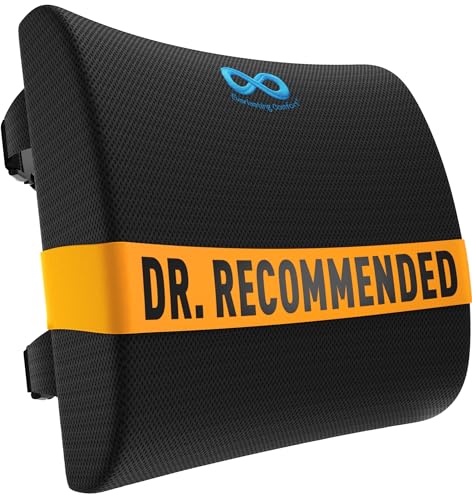

This pillow is a classic for a reason, offering a balanced density that doesn’t collapse even during a marathon session of stranded colorwork. If you find yourself hunching over your needles to see your stitches, the heat-responsive memory foam gently nudges your spine back into a neutral position.
The ergonomic, contoured shape is particularly helpful if you tend to knit with a lot of tension. When your back is supported, your shoulders naturally drop, which prevents the "knitter’s hunch" that often leads to neck strain.
The bottom line: It’s a reliable, no-nonsense choice for knitters who need consistent support without complicated adjustments. It works best in chairs that already have a bit of depth.
LoveHome Memory Foam Lumbar Support Pillow

The LoveHome cushion features a wider footprint, making it an excellent companion for those who like to shift positions while knitting. If you’re a "fidgety" knitter who moves from cross-legged to upright, this pillow provides a stable foundation that covers more surface area.
Its firm structure is ideal for those who prefer a rigid backrest while working on large, heavy projects like wool blankets. When you’re dealing with the weight of a bulky-weight project in your lap, the extra support helps distribute that load away from your lumbar spine.
The bottom line: If you have a larger chair or prefer a "locked-in" feeling while you knit, this is the superior option. It’s built for stability, not for sinking into.
Samson Memory Foam Back Cushion for Chairs

The Samson cushion is surprisingly lightweight, which makes it perfect if your knitting chair doubles as your office chair. It provides a subtle curve that mimics the natural arch of the lower back, helping to maintain the "S" curve of your spine.
This is a great choice for knitters who work with slippery needles—like nickel-plated or polished wood—where focus is paramount. By removing the distraction of back pain, you can better monitor your tension and prevent dropped stitches.
The bottom line: It’s a minimalist, effective tool that doesn’t take up too much space. It’s perfect for knitters who want support without feeling like they’re being pushed forward out of their seat.
Cushion Lab Ergonomic Lumbar Support Pillow

Cushion Lab uses a proprietary "extra-dense" foam that feels noticeably different from standard memory foam. It provides a firm, supportive "hug" that is incredibly helpful for long sessions of intricate lace work where you need to stay perfectly still.
The shape is specifically engineered to cradle the lumbar region, preventing the slouching that occurs when fatigue sets in. When you’re counting rows on a complex repeat, the last thing you want is to be distracted by a shifting, inadequate cushion.
The bottom line: This is a premium investment for the serious knitter. It provides the most precise support of the bunch, keeping your posture impeccable for hours.
Vremi Memory Foam Lumbar Support Back Pillow

The Vremi pillow is a fantastic entry-level option that offers a great balance of softness and support. Its breathable mesh cover is a major plus if you tend to get warm while working with heavy, natural fibers like 100% wool or alpaca.
If you’re a beginner just starting your first scarf, you might not realize how much strain knitting puts on your lower back. This pillow is a gentle introduction to ergonomic support, helping you build good habits early on.
The bottom line: It’s an affordable, breathable choice that gets the job done. It’s ideal for those who are just starting to prioritize their physical health alongside their yarn stash.
Desk Jockey Lumbar Support Pillow for Chairs

The Desk Jockey is designed for endurance, making it a favorite for those who spend their weekends finishing up sweater bodies. It’s firm enough to provide deep pressure relief, which helps when the weight of your project begins to pull on your shoulders.
Because it’s highly responsive to body heat, it molds to your specific shape rather than forcing you to adapt to it. This personal fit is crucial when you’re working on projects that require you to hold your arms in a specific, static position for long durations.
The bottom line: This is a high-performance cushion for the dedicated maker. It’s built to last through many projects and seasons of knitting.
Purple Back Cushion for Ergonomic Support
The Purple cushion uses a unique grid-based technology rather than traditional foam, which allows for incredible airflow. If you find that memory foam makes you sweat during intense sessions of cables or bobbles, this grid structure is a game-changer.
The grid collapses under pressure to provide support exactly where you need it, while staying cool to the touch. It’s a sophisticated design that feels less like a "pillow" and more like a structural support system for your chair.
The bottom line: If you value temperature regulation as much as back support, this is the gold standard. It’s expensive, but the comfort during long-haul projects is unmatched.
Why Lumbar Support Matters for Knitting Posture
Knitting is a repetitive motion sport, and your back is the anchor for every stitch you make. When you slouch, your shoulders roll forward, which tightens the chest muscles and pulls on the nerves in your neck and arms.
Good lumbar support forces your pelvis into a neutral tilt, which naturally aligns your shoulders over your hips. This alignment allows your hands and wrists to move freely without the compensatory tension that leads to repetitive strain injuries.
Without this support, even the most ergonomic needles can’t save you from discomfort. Think of your lumbar pillow as the foundation of your knitting studio—everything else relies on it.
Key Features to Look for in a Knitting Pillow
When shopping for a pillow, consider how it integrates with your specific knitting style. A pillow that is too thick might push you too far forward, making it hard to reach your lap, while one that is too soft will lose its shape before you finish a single row.
- Firmness: Needs to be firm enough to resist the weight of your project.
- Breathability: Crucial if you knit in a warm room or with heavy wools.
- Contour: Should match the natural curve of your spine, not be flat.
- Adjustability: Straps that keep the pillow from sliding down are essential.
Don’t be fooled by "plush" pillows that feel great for five minutes but flatten out after an hour. You want a material that provides "active" support, pushing back against your spine as you shift.
Tips to Prevent Back Pain While Knitting Long
The best way to prevent pain is to break your knitting into manageable "sessions." Every 30 minutes, put your needles down, stand up, and perform a few simple shoulder rolls or gentle back stretches.
Pay attention to your lighting; if you are squinting at your stitches, you are likely leaning forward, which negates the benefits of your lumbar pillow. Ensure your light source is directed onto your work, not into your eyes, so you can sit back and relax.
Finally, remember that your choice of yarn and needles matters too. Using lighter, circular needles and choosing fibers with good drape can reduce the physical load on your body, making your long sessions much more sustainable.
Taking care of your back is just as important as choosing the right yarn for your next heirloom project. By integrating a supportive lumbar pillow into your knitting corner, you are investing in your long-term ability to create. Choose the support that fits your chair and your habits, and you will find your knitting sessions becoming longer, more comfortable, and much more productive. Happy knitting, and may your posture be as balanced as your tension.