
6 Best Work Table Mats For Wax Spills That Last
Protect your workspace with these 6 best work table mats for wax spills. Durable, easy to clean, and long-lasting. Shop our top picks to upgrade your studio today.
Working with wax—whether for conditioning wool or sealing thread ends in complex fiber art—requires a dedicated surface that keeps the workspace pristine. Spilled wax can ruin a finished heirloom project or leave a stubborn residue on fine-gauge needles if the spill migrates. Selecting the right mat prevents these accidents from derailing hours of meticulous work. These six options offer the best balance of heat resistance and easy cleanup for a productive craft room.
Mod Podge Silicone Craft Mat: Best Overall Pick
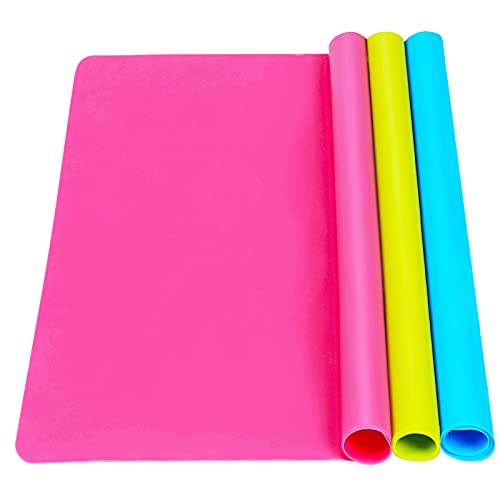

The Mod Podge Silicone Craft Mat is a reliable industry standard for those who regularly work with beeswax or paraffin blends. Its non-stick surface allows hardened wax to pop off with minimal effort, ensuring no residue lingers to contaminate future projects.
This mat features a medium-weight silicone construction that lays perfectly flat against any table. This is critical for delicate work, such as blocking intricate lace pieces or working with fragile, hand-dyed yarns that can snag on uneven edges.
The bottom line is stability. It provides a grippy base that prevents your project bowls or needle organizers from sliding, which is vital when you are balancing multiple tools during a complex colorwork session.
INK LAB Heat Resistant Silicone Mat: For Hot Tools

When you are sealing thread ends or warming wax to improve its glide on yarn, heat resistance is non-negotiable. The INK LAB mat is specifically engineered to withstand higher temperature thresholds than standard hobby mats.
It protects tabletops from the residual heat of tools used for melting or shaping wax. If you use hot styling tools or iron-based fabric stabilizers, this mat acts as a formidable barrier between your expensive equipment and your workstation.
While it is robust, it remains flexible enough to roll up for storage. This is an essential feature for fiber artists who share their workspace with other household activities and need to clear their table quickly after a project.
The Original Gorilla Grip Mat: Most Durable Option
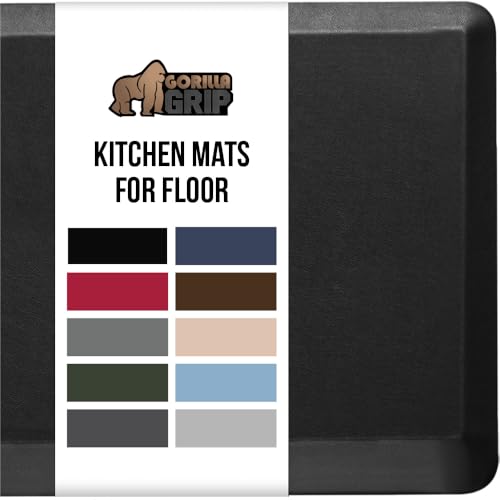
Durability defines the Gorilla Grip mat, making it the superior choice for high-traffic craft spaces. It withstands the constant friction of sliding needles and heavy yarn cakes without fraying or losing its integrity.
The surface texture is slightly more textured than others, which helps capture small spills before they spread. If you are conditioning large amounts of yarn with wax, having a surface that contains the mess is a major advantage for cleanliness.
Its longevity outweighs the slightly higher price point. Investing in a mat that resists tearing from heavy scissors or sharp crochet hooks ensures the work surface remains uniform for years of use.
LEOBRO A3 Silicone Mat: Top Budget-Friendly Choice

The LEOBRO A3 offers a professional-grade surface for those who prefer to keep their tool expenses reasonable. It is perfectly sized for small tasks like waxing thread for embroidery or light needlework.
It cleans up just as easily as more expensive mats, as wax does not bond to the silicone material. A quick swipe with a warm, damp cloth usually removes even the most stubborn stray droplets.
While it lacks the heavy-duty thickness of premium mats, its lightness makes it ideal for a dedicated travel bag. Keep this in your notions case so that you always have a clean, non-toxic surface for on-the-go crafting.
NYKKOLA Extra Large Silicone Sheet: For Big Jobs

Size matters when you are working on massive projects like full-scale tapestry weaving or multiple blocking sessions. The NYKKOLA Extra Large sheet provides an expansive, uninterrupted workspace.
When you are dealing with large skeins of yarn or heavy fabric, a small mat often feels restrictive and encourages spills at the edges. This sheet covers enough surface area to minimize the risk of wax hitting the wood of your table.
It is particularly useful for fiber artists who combine wax sealing with intricate cutting or pinning. It provides enough room to layout all your components without needing to reorganize your space mid-project.
Mezzla Portable Silicone Mat: Best for Travel

Portability is the hallmark of the Mezzla mat, which rolls tightly for easy packing in project bags. Fiber artists who travel to workshops or retreats know the struggle of working on questionable hotel tables.
This mat creates an instant, sanitary workspace wherever you go. It ensures that any wax used for thread conditioning stays on the mat and off of shared furniture.
Despite its portability, it does not sacrifice the non-slip qualities needed for precise work. It remains stable during intensive needle-manipulation, proving that compact tools can still be high-performing.
How to Choose the Right Mat for Your Craft Space
Start by assessing your primary crafting task. If you are conditioning wool with wax blocks, you need a mat that is easy to wipe down, whereas wax-melting requires thick, heat-resistant silicone.
Consider the surface area of your table. A mat that is too small leaves your work susceptible to spills, while one that is too large can become a clumsy obstacle in tight quarters.
- Weight: Heavier mats stay put; lighter mats travel better.
- Surface Finish: Smooth finishes are easier to clean, but slightly textured ones provide better grip.
- Dimensions: Always measure your available desk space before purchasing.
Silicone vs. Cutting Mats: What Works for Wax?
Many crafters assume standard cutting mats are interchangeable with silicone mats, but this is a mistake. Cutting mats are self-healing, which sounds great but actually traps wax inside the tiny cuts.
Silicone is hydrophobic and non-porous, meaning wax sits on top of the surface rather than sinking into it. This allows for total removal, which is vital when you are working with expensive materials that you do not want contaminated by old wax particles.
Save your cutting mats for rotary blades and fabric shears. Keep your silicone mat strictly for wax and heat-intensive processes to maintain the longevity of both surfaces.
Cleaning Wax Spills Off Your Mat: A Quick Guide
Removing wax from silicone is simpler than people realize. If the wax is hard, gently peel it off with a plastic scraper or your fingernail, as it should release cleanly from the silicone.
For residual oils or stubborn residue, use a drop of mild dish soap and warm water. Ensure the mat is completely dry before laying your yarn or fabric back on it, as residual moisture can be detrimental to delicate fibers.
Never use solvents or harsh chemicals, as these can break down the silicone structure over time. Keep the maintenance process simple to ensure your mat lasts through countless sessions.
Are All Silicone Craft Mats Truly Heat Resistant?
Not all silicone is created equal, and manufacturers often use the term “heat resistant” loosely. While food-grade silicone is usually safe for moderate heat, high-heat industrial applications require a specific reinforced grade.
Check the technical specifications for a temperature rating if you plan to use irons or heat guns directly on the mat. Many mats will melt or warp if exposed to temperatures above 400 degrees Fahrenheit, even if labeled heat resistant.
When in doubt, use a secondary protective layer like a thin cotton towel between the tool and the mat. This simple precaution extends the life of your equipment and protects your workspace.
Selecting the right work mat is an investment in the long-term cleanliness and efficiency of your fiber art studio. By prioritizing heat resistance, surface size, and material quality, you ensure that every project—from simple darning to complex construction—is protected from accidental spills. Choose the mat that matches your most frequent crafting patterns to enjoy a smooth, reliable, and mess-free experience.


