6 Best Wooden Yarn Swifts For Delicate Fibers
Find the best wooden yarn swifts for delicate fibers. Our guide reviews top models to ensure tangle-free winding while protecting your luxury yarn strands.
Transitioning from a tangled mess of yarn to a perfectly wound cake is one of the most satisfying rituals in a knitter’s day. When you work with luxury fibers like silk, mohair, or hand-dyed merino, the tools you use to manage your skeins are just as important as your needles. A high-quality wooden swift ensures that your delicate yarn remains tension-free and pristine before it ever touches your project. Choosing the right swift is an investment in the longevity of your stash and the sanity of your knitting process.
Stanwood Needlecraft Large Amish Table Swift


The Stanwood Amish-style swift is a staple in many serious stashes because of its sheer reliability and smooth rotation. Unlike umbrella styles, this stationary design uses horizontal arms that glide effortlessly as you wind.
It is particularly excellent for those who often deal with large, bulky skeins that would otherwise cause an umbrella swift to sag. The solid wood construction provides enough weight to keep the base stable, preventing that annoying "wobble" that can lead to uneven tension in your yarn cake.
Because there are no complex folding mechanisms, it is incredibly easy to set up and break down. If you have limited space or prefer a tool that feels like a piece of fine furniture, this is a top-tier choice.
Lacis Wooden Umbrella Swift for Fine Yarns

When you are working with lace-weight alpaca or gossamer-thin silk, the Lacis umbrella swift offers the precision you need. Its design allows you to adjust the diameter of the swift to match your specific skein size perfectly.
The key here is the gentle tension it maintains on the yarn. By adjusting the umbrella arms, you ensure the yarn doesn’t stretch or snap while it travels from the swift to your ball winder.
This model is a favorite for those who prioritize a compact footprint. When you are finished, it folds down into a slim profile that tucks away easily in a drawer or project bag.
KnitPicks Yarn Swift: Best Value for Beginners
If you are just starting to move away from store-bought center-pull balls, the KnitPicks umbrella swift is a fantastic entry point. It provides the essential functionality of a professional tool without the premium price tag.
It performs admirably with standard worsted and DK weight yarns, which are the bread and butter of most beginner projects. While it may not have the heavy-duty finish of high-end boutique brands, it gets the job done consistently.
The most important takeaway here is accessibility. You don’t need to spend a fortune to protect your yarn; you just need a tool that rotates smoothly and holds the skein open without catching.
Strauch Jumbo Ball Winder and Swift Combo Set
For the knitter who frequently works with massive quantities of yarn, the Strauch system is the gold standard. This combo is designed to handle those heavy, 200-gram skeins that would overwhelm a standard tabletop swift.
The build quality is exceptional, featuring heavy-duty wooden components that are designed to last a lifetime. When you are winding a hand-dyed skein of bulky wool, you want a swift that won’t flex or bend under the weight of the yarn.
While it is a significant investment, the efficiency it brings to your winding process is unmatched. If you buy yarn in large quantities or spin your own fiber, this is the last swift you will ever need to buy.
NDS Wooden Amish Swift for Delicate Skeins
The NDS Amish-style swift stands out for its minimalist, elegant design and smooth, snag-free finish. When you are working with high-twist yarns that are prone to kinking, a smooth surface is non-negotiable.
The wood is sanded to a high polish, ensuring that even the most delicate silk or mohair blends won’t snag on the arms. This is crucial; a single snagged fiber can ruin the integrity of an entire skein of luxury yarn.
Its tabletop design is stable and intuitive to use. It is a quiet, reliable workhorse that respects the nature of the fiber you are handling.
Ashford Wooden Umbrella Swift: Quality Choice
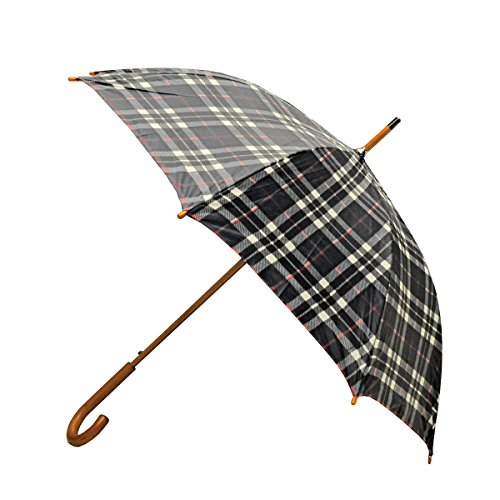
Ashford has a long-standing reputation in the fiber arts community, and their wooden umbrella swift reflects that heritage. It is a beautifully crafted tool that feels sturdy and substantial in your hands.
The primary advantage of this swift is its consistent, fluid rotation. Even when the yarn is moving quickly, the swift keeps pace without sudden jerks or stops that could potentially snap a fragile thread.
If you are looking for a tool that combines aesthetic beauty with professional performance, this is the one. It is a pleasure to use and looks beautiful sitting on your crafting table, even when it isn’t in use.
Why Wooden Swifts Protect Your Delicate Fibers
Wooden swifts offer a distinct advantage over their plastic counterparts: they are naturally static-resistant. When you wind synthetic or high-twist natural fibers, plastic can generate static electricity, causing the yarn to cling to the swift and create uneven tension.
Wood also provides a "warm" surface that is inherently gentler on delicate fibers like cashmere or angora. It allows the yarn to glide across the arms without the risk of the friction-burn that can sometimes occur with cheaper, poorly finished plastic materials.
Furthermore, wooden swifts are usually weighted better. A heavier base means the swift won’t jump or tip over when you encounter a tangle in your skein, giving you time to stop and fix the issue before the yarn stretches.
Essential Maintenance for Your Wooden Swift
To keep your swift running smoothly for years, a little bit of care goes a long way. Periodically check the joints and screws to ensure everything is tightened, as the natural expansion and contraction of wood can sometimes loosen hardware.
If the rotation starts to feel sluggish, a tiny drop of furniture wax or a specialized wood lubricant on the central pivot point will work wonders. Avoid using heavy oils that might stain your yarn or attract dust.
Finally, keep your swift stored in a cool, dry place. Extreme humidity or heat can warp wooden arms, which will cause your yarn to wind unevenly.
How to Properly Set Up Your Tabletop Swift
The secret to a perfect wind is placement. Your swift should be positioned so that the yarn flows directly to your ball winder without any sharp angles or obstacles in its path.
Start by opening the swift to a diameter slightly smaller than your skein. Gently place the skein over the arms, then expand the swift until the yarn is taut but not stretched; you should be able to press the yarn inward about an inch with your finger.
Always ensure the swift is clamped securely to your table. If the swift moves while you are winding, the tension will fluctuate, leading to a "lumpy" yarn cake that may tangle later.
Tips for Winding Hand-Dyed Skeins Safely
Hand-dyed skeins often have slightly uneven twist, making them more prone to tangling than commercial yarns. Take the time to untwist the skein completely before placing it on the swift, and look for any "cross-overs" in the yarn loops.
If you find a knot or a tangle, stop winding immediately. Never try to "power through" a tangle, as the tension on a swift can easily snap a delicate strand of hand-dyed wool.
If you are winding a particularly precious yarn, go slow. A steady, rhythmic pace produces the best results and allows you to inspect the yarn for any imperfections as it feeds onto your winder.
Investing in a quality wooden swift is one of the most practical upgrades you can make for your knitting practice. By choosing a tool that respects the weight and texture of your fiber, you ensure that every project starts with perfectly tensioned yarn. Take your time with the winding process, enjoy the tactile experience of the wood, and let your tools do the heavy lifting. Your future knitting self will thank you for the extra care you took today.