
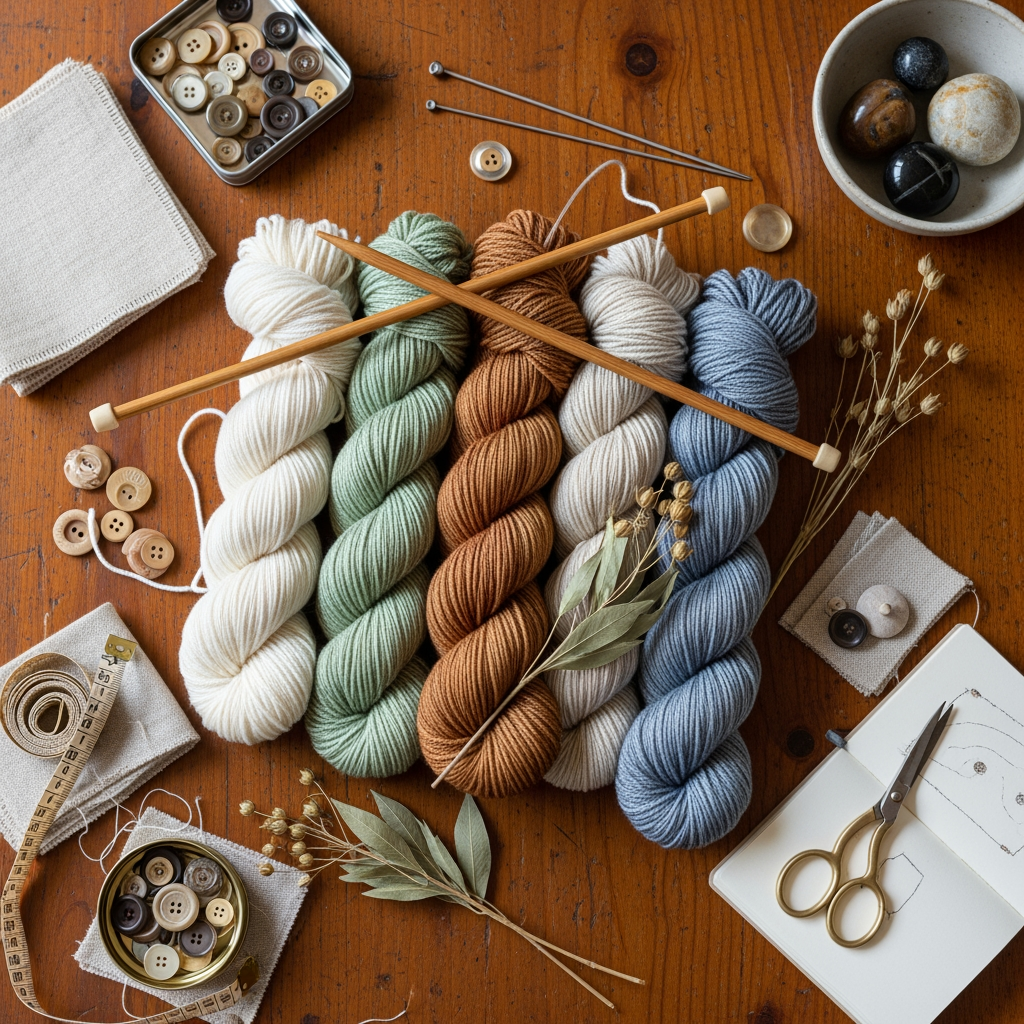
6 Best Cotton Yarns For Breathable Summer Blankets
Stay cool this season with our top six cotton yarn picks. Discover breathable, lightweight options perfect for crafting comfortable, airy summer blankets.
Summer knitting requires a shift in mindset, moving away from insulating wools toward fibers that offer air circulation and a cool touch. Cotton is the gold standard for these warmer months, providing the durability and breathability needed for blankets that won’t overheat your lap. Choosing the right yarn is the difference between a heavy, dragging project and a light, heirloom-quality throw. Here are the best cotton yarns to keep your needles clicking comfortably throughout the season.
Blue Sky Fibers Organic Cotton: Best Overall Pick


This yarn is the benchmark for quality, offering a squishy, soft texture that is rare in the world of plant fibers. Because it is unmercerized, it maintains a matte finish and a gentle hand that feels lovely against the skin.
It is perfect for those who want a blanket that feels substantial but remains breathable enough for humid evenings. The organic nature of the fiber adds a layer of peace of mind, knowing the production process is free from harsh chemicals.
The tradeoff here is the price point, as it is a premium product. However, for a blanket that will be a centerpiece in your living room for years, the investment in this high-quality fiber is well worth it.
Pima Cotton by KnitPicks: The Best Value Choice
If you have a large-scale project in mind, like a king-sized summer throw, you need a yarn that won’t break the bank. KnitPicks Pima Cotton offers a silky, consistent strand that is remarkably easy on the hands.
The fiber is incredibly smooth, which helps prevent hand fatigue during long sessions of stockinette. Because it has a slight sheen, your stitches will look crisp and defined, making it an excellent choice for textured patterns like cables or lace.
Be aware that this yarn can be a bit slippery on wooden needles. If you find your stitches sliding off too easily, switch to a bamboo or nickel-plated needle for better control.

Rowan Creative Linen: Best Blend for Structure

This unique blend of 50% cotton and 50% linen is the secret weapon for summer blankets that need to hold their shape. The linen component provides a crispness that prevents the dreaded "sag" often seen in pure cotton projects.
Linen is naturally heat-conductive, meaning it pulls heat away from your body, making this the coolest option on the list. It feels a bit rustic at first, but it softens significantly after the first wash.
If you are a beginner, note that linen can feel a bit stiff while working. Don’t be discouraged; the final drape of the finished blanket is unmatched in terms of sophisticated, airy structure.
Quince & Co. Sparrow: Best Fingering Weight Yarn
For those who love the delicate, intricate look of a lightweight blanket, Sparrow is a 100% organic linen that behaves like a high-end cotton. It is a fingering weight yarn, meaning it is thin and requires patience, but the results are breathtaking.
Using a finer weight allows for beautiful, airy lacework that lets the breeze pass right through. It is perfect for a "heirloom" project that you plan to pass down through generations.
Because the yarn is thin, ensure you check your gauge carefully. A tight gauge with fingering weight can become stiff, so consider using a slightly larger needle size to encourage a fluid, soft drape.
Cascade Yarns Ultra Pima: Best for Soft Drapes

Ultra Pima is a mercerized cotton, which means it has been treated to increase luster and strength. This process results in a yarn that is incredibly soft and has a beautiful, polished appearance that mimics silk.
It is my go-to recommendation for knitters who find raw cotton too "thirsty" or rough on their fingers. The smooth surface glides through your needles, making it a joy to use for colorwork or simple garter stitch blankets.
The main consideration is weight; mercerized cotton is heavier than its unmercerized counterparts. Keep this in mind when choosing your pattern to ensure the final blanket isn’t too heavy for summer use.
Lily Sugar’n Cream: The Best Budget-Friendly Option
This is the classic workhorse of the knitting world, and for good reason. It is widely available, inexpensive, and comes in a massive range of vibrant colors that are perfect for modern, graphic-style blankets.
While it is often categorized as a kitchen cotton, it works beautifully for durable, casual throws. It is sturdy and stands up to heavy use, making it ideal for a blanket that will be tossed on the porch or taken to the beach.
The downside is that it can be slightly stiff to work with initially. Give it a good soak in a gentle fabric softener after you finish binding off, and you will be surprised at how much softer it becomes.
Why Cotton is the Ideal Fiber for Summer Knits
Cotton is a cellulose fiber, which means it is naturally absorbent and allows for excellent airflow. Unlike wool, which traps heat in its crimped structure, cotton fibers lie flatter, allowing air to circulate between the stitches.
This breathability is essential when you are knitting a large piece like a blanket, which can become a "heat trap" on your lap. Cotton also has a cool-to-the-touch sensation, providing immediate relief on hot afternoons.
- Durability: Cotton withstands frequent washing, which is vital for summer items.
- Definition: The lack of "halo" (fuzz) means your stitch patterns will pop.
- Weight: It provides a satisfying drape that feels grounded rather than floaty.
Understanding Cotton Yarn Weights and Gauge Tips
Cotton is less elastic than wool, which means your gauge is more likely to remain consistent throughout the project. However, it also means your hands have to do more of the work, as the yarn won’t "stretch" to accommodate tight tension.
If you are a tight knitter, you must be proactive. I always suggest going up half a needle size from what the ball band suggests to ensure the fabric remains flexible rather than board-like.
- Worsted weight: Best for quick, chunky summer throws.
- DK weight: The "Goldilocks" size for a balance of speed and drape.
- Fingering weight: Ideal for intricate, airy lace designs.
How to Properly Wash and Dry Cotton Blankets
Cotton is notorious for stretching when wet, so you must treat your finished blanket with care. Never hang a wet cotton blanket to dry, as the weight of the water will pull the fibers and distort your beautiful stitch work.
Instead, lay the blanket flat on a clean, dry towel and gently roll it up to remove excess moisture. Then, lay it out on a flat surface, shaping it to your desired dimensions before letting it air dry completely.
Always check the label to see if the cotton is pre-shrunk. If it isn’t, anticipate a small amount of shrinkage after the first wash and plan your project size accordingly.
Essential Tips for Knitting With Plant Fibers
The biggest challenge with cotton is the lack of "memory" in the fiber. Once you stretch a cotton garment or blanket, it tends to stay stretched, so keep your tension as even as possible while you work.
Using a metal needle can help you maintain speed, but if you find the yarn slipping too much, bamboo or birch needles provide just enough "grab" to keep your stitches secure. Don’t be afraid to experiment with different needle materials.
Finally, remember that plant fibers are less forgiving than animal fibers. If you drop a stitch, it won’t "clump" and stay put; you need to pick it up quickly before it runs down your entire row.
Knitting with cotton is a rewarding experience that yields functional, beautiful pieces perfectly suited for the summer season. By selecting the right weight and fiber type, you can create a blanket that is both a work of art and a cooling companion for your warmer days. Trust your hands, pay attention to your gauge, and enjoy the process of creating something that will last for years to come. Happy knitting!
