6 Best Fine Liners For Adding Accent Details To Master
Elevate your artwork with precision. Discover the 6 best fine liners for adding intricate accent details to your masterpieces. Read our expert review today.
Adding intricate accent details to a finished knit piece transforms a standard garment into a bespoke work of art. While yarn remains the primary medium, applying fine liners directly onto fibers allows for precise embroidery-like details without the bulk of extra thread. Choosing the right pen requires balancing ink permanency, fiber compatibility, and the risk of bleeding into your carefully crafted stitches. This guide examines the best tools available for adding sharp, professional flourishes to your knitting projects.
Sakura Pigma Micron: The Artist’s Go-To Standard
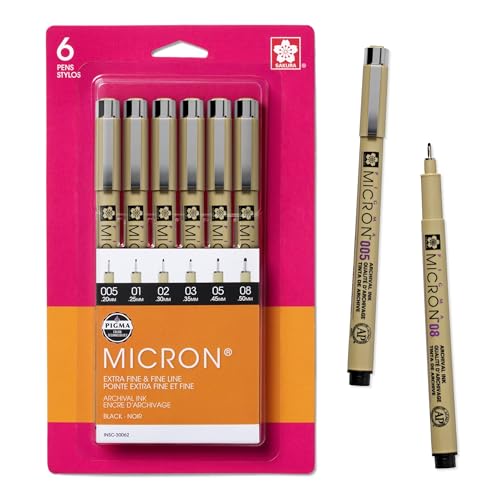

The Sakura Pigma Micron is widely regarded as the industry standard for archival-quality drawing, making it an excellent choice for light decorative accents on natural fibers. Its pigment-based ink is chemically stable, waterproof, and fade-resistant, which ensures that designs remain crisp even after the garment faces typical environmental wear.
When working on fibers like cotton or smooth linen, these pens glide without snagging, provided the surface is held taut. Because the ink is archival, it is less likely to yellow or degrade the structural integrity of your yarn over time.
However, proceed with caution on fuzzy yarns like mohair or soft alpaca, as the fine felt nib can catch on stray fibers. Always keep the tip vertical to avoid fraying the nib on uneven knit surfaces.
Copic Multiliner SP: Best Refillable Pro Option

For the knitter who plans to incorporate ink details into every project, the Copic Multiliner SP offers an unparalleled investment in longevity. The aluminum body is weighted for precision, and the ability to replace both the ink cartridges and the nibs makes it a sustainable choice for high-volume designers.
The ink flow is remarkably consistent, preventing the dreaded “blob” of ink that can ruin a perfectly knitted gauge swatch. Because the barrel is sturdy, it provides a stable grip for steadying hands during long detailing sessions.
Keep in mind that these pens are a higher initial investment than disposable options. Use them when the project warrants a long-term commitment to fine-line detail and consistent, reliable line weight.
Staedtler Pigment Liner: Top Choice for Precision
Precision is the hallmark of the Staedtler Pigment Liner, featuring a metal-clad tip that holds up well against the resistance of textured fabrics. If you are drawing details onto fine-gauge wool or tightly twisted cotton, this pen offers the control needed to navigate around individual stitches without skipping.
The ink is quick-drying, which minimizes the window of opportunity for smudging or unintended transfer. This is particularly helpful when working on complex stranded colorwork where you need to highlight specific motifs with an outline.
As with most pigment pens, avoid pressing down too hard, as the tip is rigid and can pierce delicate fibers if used with excessive force. Let the ink do the work, and allow the tip to glide gently across the surface.
Sharpie Ultra Fine Point: Best Widely-Available Pen

The Sharpie Ultra Fine Point is the most accessible option for knitters needing a quick touch-up or a bold accent on synthetic materials. Unlike archival pigment pens, these contain dye-based inks that penetrate deep into the fiber, which can be an advantage for achieving high-contrast saturation.
However, they are prone to significant feathering and bleeding, especially on absorbent, high-twist wools. They are best reserved for sturdy, non-precious projects or synthetic blends where color permanence is less critical than immediate availability.
Always perform a thorough test on a scrap of the exact yarn used in your project. If the fiber is highly absorbent, expect the ink to spread slightly beyond the intended line.
Crayola Fabric Markers: Best for Washable Fabrics
Designed specifically for textiles, Crayola Fabric Markers offer a unique solution for knitters concerned about the longevity of their designs during the laundering process. The ink is formulated to bond with fabric fibers, making it significantly more resilient to the friction of a washing machine than standard fine liners.
These markers often have a slightly broader tip, which is better suited for larger motifs or decorative patterns rather than delicate, micro-detail work. They work beautifully on light-colored, smooth-textured yarns like mercerized cotton or acrylic blends.
Because they are designed for fabric, they are less likely to cause chemical damage to the yarn. They remain the safest choice for items like children’s knitwear that will require frequent, vigorous washing.
TUL Fine Liners: The Smoothest Gel Ink Experience
TUL Fine Liners provide a gel-based ink experience that is surprisingly smooth on yarn surfaces, offering a high-saturation line that mimics the look of fine embroidery thread. For those who find felt-tip pens too scratchy on textured knits, the gel flow provides a more cushioned application.
Because the ink is wetter than traditional pigment liners, the drying time is longer. Be prepared to wait several minutes before touching or blocking the area to prevent accidental smearing across the stitches.
These pens are ideal for stationary-style detailing on smooth, solid-colored knits. They offer a rich color payoff that holds up well against vibrant yarn colors, provided they are not immediately exposed to moisture.
How to Test Your Fine Liner Pen for Fabric Bleed
Before touching your finished project, always create a test swatch using the exact yarn, tension, and needle size from your project. Even if a pen is labeled “waterproof,” the unique surface area of a knitted stitch can act like a wick, drawing ink further than intended.
Draw a small dot and a short line on the swatch, then wait at least one hour for the ink to set. Apply a damp cloth or a drop of water to the area to check for ink migration or “halo” effects.
If the ink spreads, it is a sign that the fiber is too absorbent for that specific pen. Consider switching to a pen with a faster-drying, thinner ink or treating the fiber with a light starch spray beforehand to create a temporary barrier.
Heat Setting Your Designs for Permanent Results
Many fabric-appropriate markers require heat setting to lock the ink into the fiber, especially on natural wools and cottons. This process involves using a dry iron to activate the ink’s binding properties, turning a temporary mark into a permanent design element.
Always use a pressing cloth—a clean piece of thin cotton—between the iron and your knit fabric to prevent scorched yarn or melted ink. Set the iron to the temperature recommended on the pen’s packaging, avoiding steam, which can cause the ink to run while it is still vulnerable.
Proper heat setting is the difference between a project that survives one cycle in the wash and one that stays vibrant for years. Patience during this final step protects the hours of effort put into the knitting itself.
Pigment vs. Dye Ink: Which Is Best for Fibers?
Pigment inks consist of microscopic particles of color suspended in a liquid, which sit on top of the fiber rather than soaking into it. This makes them ideal for intricate, crisp lines that stay sharp, but they can be more prone to surface abrasion over time.
Dye-based inks soak directly into the fiber, staining the yarn itself. While this provides a very permanent color, it is almost impossible to prevent “bleeding” or spreading on natural, porous fibers like merino or bamboo.
Choose pigment ink for architectural lines, such as outlining a geometric motif on a sweater. Choose dye-based options for bold, filled-in areas where the soft, stained look is preferred over a sharp, graphic edge.
Tips for Drawing on Knits Versus Woven Fabrics
Knitted fabric is inherently dynamic, meaning it stretches and moves in ways that woven fabric does not. Drawing on a relaxed knit can result in warped lines once the garment is worn and the stitches stretch to accommodate the body.
Always place your knit piece on a flat, non-porous surface, and use pins to hold it in a slightly stretched—but not distorted—position while drawing. This ensures that the design remains consistent when the garment is eventually worn.
Avoid drawing across seams or areas of heavy texture, such as cabled motifs, where the pen tip is likely to snag or skip. Stick to smooth, stockinette-stitch areas for the cleanest, most professional results that won’t distort the drape of your yarn.
The art of integrating fine liners into knitwear is a balance of careful preparation and precise execution. By understanding how different inks interact with your specific fibers, you can add personal, lasting details that elevate your work from handmade to heirloom. Always test, take your time, and enjoy the process of customizing your stitches.