7 Best Bag Labels For Branding To Elevate Your Work
Elevate your brand identity with these 7 best bag labels for professional projects. Read our expert guide to choose the perfect finish for your work today.
After countless hours spent shaping a sweater or perfecting the tension on a lace shawl, the final step is often the most significant for professional results. Adding a label transforms a handmade item from a simple craft project into a finished piece of artisanal work. These markers act as a calling card, communicating the quality and care poured into every stitch. Choosing the right branding element is not just about aesthetics; it is about ensuring the label survives the rigors of wear, washing, and blocking.
Dutch Label Shop Woven Labels: The Classic Choice


Woven labels remain the industry standard for a reason. They integrate seamlessly into the fabric, mimicking the professional finish found in high-end ready-to-wear garments. Because they are constructed from actual threads rather than printed, the design will not crack, peel, or fade after repeated trips through the laundry.
These labels are exceptionally versatile for knitwear because they offer a soft hand-feel that won’t irritate the skin. When working with delicate fibers like superwash merino or alpaca, a stiff or plastic label can ruin the drape of a neckline. Woven options maintain the fluid movement of the yarn, ensuring the label feels like a natural extension of the garment rather than an afterthought.
The trade-off involves lead time and design complexity. Detailed logos may lose clarity if the thread count isn’t high enough, so keep designs clean and high-contrast. Opt for damask weaves if the project requires high detail, as they provide the smoothest finish and the most professional look.
All This Wood Faux Leather Tags: Best for Vegans

Synthetic leather alternatives offer the rustic, high-end appearance of traditional leather without the ethical concerns or the weight. These tags provide a structured, rigid element that adds professional “weight” to hats, cowls, and heavy cardigans. They hold their shape perfectly, preventing the dreaded “curling” that often plagues flimsy fabric labels.
Fiber artists working with acrylics or plant-based fibers like cotton and linen often find that faux leather provides a cohesive aesthetic. Because these tags are typically laser-engraved, the design is deeply etched into the material. This ensures that the branding remains visible even after years of friction and environmental exposure.
Be mindful of the attachment method, as these tags are often thicker than woven labels. Use a high-quality, color-matched sewing thread to ensure the tag doesn’t pull at the surrounding stitches. The key to a professional look is tension: ensure the tag is stitched down firmly on all four corners so it does not flap or catch on accessories.
The Beam City Rivet-On Cork Tags: For a Modern Look
Cork labels provide a stunning, tactile contrast to the softness of knit fabric. As a material, cork is naturally durable, water-resistant, and incredibly lightweight, making it an excellent choice for bulky winter accessories like pom-pom beanies or thick wool mittens. The texture adds an earthy, organic element that elevates hand-dyed yarns.
The primary advantage here is the mounting style. Rivet-on tags remove the need for tedious hand-sewing, which is a major benefit for makers who struggle with finishing work. Simply punch the fabric, slide the rivet through, and secure. This approach is much more secure than thread for heavy items that see daily use.
However, consider the placement carefully. Rivets create a permanent hole in the fabric, meaning the tag cannot be easily moved once installed. Avoid placing these in areas that experience high stretch or tension, as the metal rivet can eventually pull at the delicate fibers of the knit fabric.
Wunderlabel Printed Satin Labels: For a Silky Finish
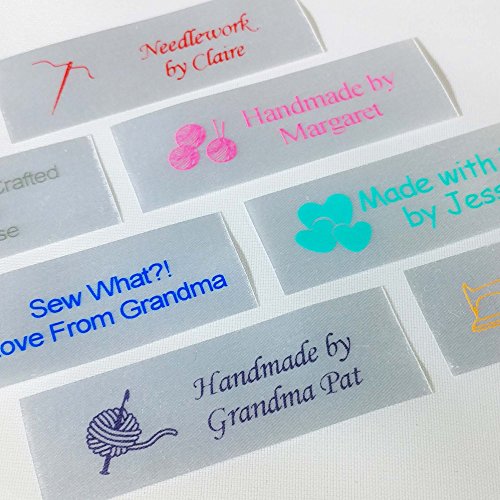
Satin labels provide a sophisticated, luminous quality that works exceptionally well for luxury projects. The smooth surface allows for crisp, clear printing, making them the superior choice for branding that includes care instructions, fiber content, or complex web addresses.
They are incredibly thin, which makes them ideal for placement on the interior of necklines or cuffs where skin contact is constant. Unlike woven labels that can occasionally have a “scratchy” backside, satin labels are inherently smooth. This makes them the gold standard for garments destined for children or those with sensitive skin.
One major drawback is the durability of the print. Over time, high-heat drying or frequent friction can cause the ink to fade. Select heat-set ink options and prioritize satin for garments that are hand-washed or air-dried to maximize the lifespan of the branding.
Cutpie Studio Custom Metal Tags: For Premium Branding

If the goal is to position a project as a premium, high-value item, metal tags are the definitive choice. These tags provide a heavy, tactile sense of luxury that plastic or fabric simply cannot replicate. They are virtually indestructible, meaning the branding will outlast the garment itself.
Metal tags work best when paired with dense, structured fabrics. They provide a beautiful contrast to cables, bobbles, and tight stockinette stitch. Because of their weight, they are less suitable for lightweight lace or fine-gauge garments where they might pull the fabric out of shape.
Always test for weight before finalizing the attachment. If the metal tag creates a noticeable sag in the fabric, move it to a reinforced area like a waistband or a thick cuff. Choose stainless steel or plated brass to ensure the tag doesn’t rust or oxidize when exposed to the moisture inherent in blocking or damp weather.
Kylie and the Machine Woven Labels: For Personality
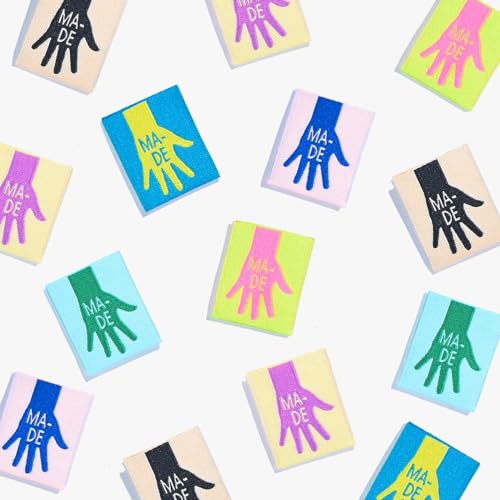
For many makers, the project is an expression of humor and individual style as much as it is a functional garment. These labels are designed for the hobbyist who wants to add a touch of wit, such as “Handmade with love and bad language.” They are woven, meaning they possess all the durability of a standard woven label but with a focus on personality-driven design.
These are best used as a finishing flourish on gifts. They turn a simple scarf into a conversation piece. Because they are often sold in variety packs, they are an excellent investment for those who don’t want to commit to hundreds of identical custom-branded labels.
Don’t let the whimsical nature fool you; the quality is high enough for professional-looking results. The main consideration is context: ensure the label’s message aligns with the recipient’s sense of humor. Use these for gifts or personal wear, reserving more sterile, professional branding for items intended for commercial sale.
EverEmblem Custom Leather Patches: For a Rustic Vibe
Genuine leather patches age beautifully, developing a patina that improves with time and wear. This makes them an excellent choice for heirloom-quality pieces like wool sweaters or hand-knit blankets. The material is warm, inviting, and signals an immediate commitment to quality craftsmanship.
Leather requires specific care. If the garment is going to be machine washed frequently, natural leather may harden or crack over time. If a project is intended for daily outdoor use in harsh conditions, faux leather is almost always the more practical, long-term choice.
When attaching, use a sturdy needle and a heavy-duty polyester or waxed thread. Because the leather is dense, it acts as a barrier that can dull standard sewing needles quickly. Keep a spare denim needle on hand specifically for this purpose to prevent frustration and ensure neat, even stitch spacing.
Choosing Your Label Material: Leather, Cork, or Fabric
Selecting the right material is about matching the “soul” of the yarn to the tag. A rustic, wool-blend cardigan with heavy cables demands the weight of leather or cork. Conversely, a delicate silk-blend lace shawl would look overwhelmed by anything heavier than a thin, woven label.
- Leather: Best for durable, heavy-weight items. Adds a premium, aged appearance.
- Cork: Ideal for modern, eco-conscious branding. Sturdy and water-resistant.
- Fabric/Woven: Versatile and soft. The safest choice for garments with significant drape.
Consider the washability of the project. If the fiber is superwash wool that sees the inside of a washing machine weekly, steer clear of natural leather and stick to woven fabrics or high-grade synthetics. Always prioritize the longevity of the garment over the aesthetic impact of the tag.
Sew-On vs. Rivet-On vs. Fold-Over: Which is Best?
The attachment method dictates how much the label will move or “swing” during wear. Sew-on labels offer the most flexibility, allowing the tag to move with the fabric. This is essential for labels placed on the interior of a collar where a rigid attachment would create a pressure point against the neck.
Rivet-on tags are the most secure but are functionally permanent. They are perfect for bags, hats, and the exterior of garments where you want the branding to be a focal point. Because they don’t move, they won’t accidentally catch on jewelry or other accessories.
Fold-over labels are the perfect middle ground for a professional “retail” aesthetic. When sewn into a seam or a hem, they provide a clean finish on both sides of the fabric. Use a whip stitch or a hidden ladder stitch to ensure the edges are flush with the garment, preventing them from curling outward.
What to Put on Your Label: Logo, Name, and Care Info
A label is a communication tool. For personal gifts, a name or a simple “Handmade by” is sufficient. However, for items intended for sale, a label must serve as a functional guide for the owner. At a minimum, include the maker’s name or brand and a way to find more work, such as a social media handle or website.
Including care instructions is a “pro” move that adds immense value to the customer experience. A simple icon for “Hand Wash” or “Lay Flat to Dry” can prevent the user from accidentally felting a delicate wool sweater. If space is limited, rely on universal symbols rather than long-winded text.
Avoid overcrowding the design. A tiny label with an illegible, long URL is less effective than a simple, bold logo that identifies the maker instantly. Keep it simple, readable, and consistent. The label should be an extension of the brand’s identity, not a cluttered information sheet.
Investing in high-quality labels is the final act of respect for the hours of labor invested in every knitting project. By selecting the right material and attachment method, a maker ensures that their work is not only identified but protected for the years of enjoyment ahead. Whether choosing the soft comfort of a woven label or the structured durability of a leather patch, the branding completes the story of the piece.