
6 Best Shipping Inserts For Customized Branding
Boost customer loyalty with these 6 best shipping inserts for customized branding. Discover creative ways to elevate your unboxing experience and shop today.
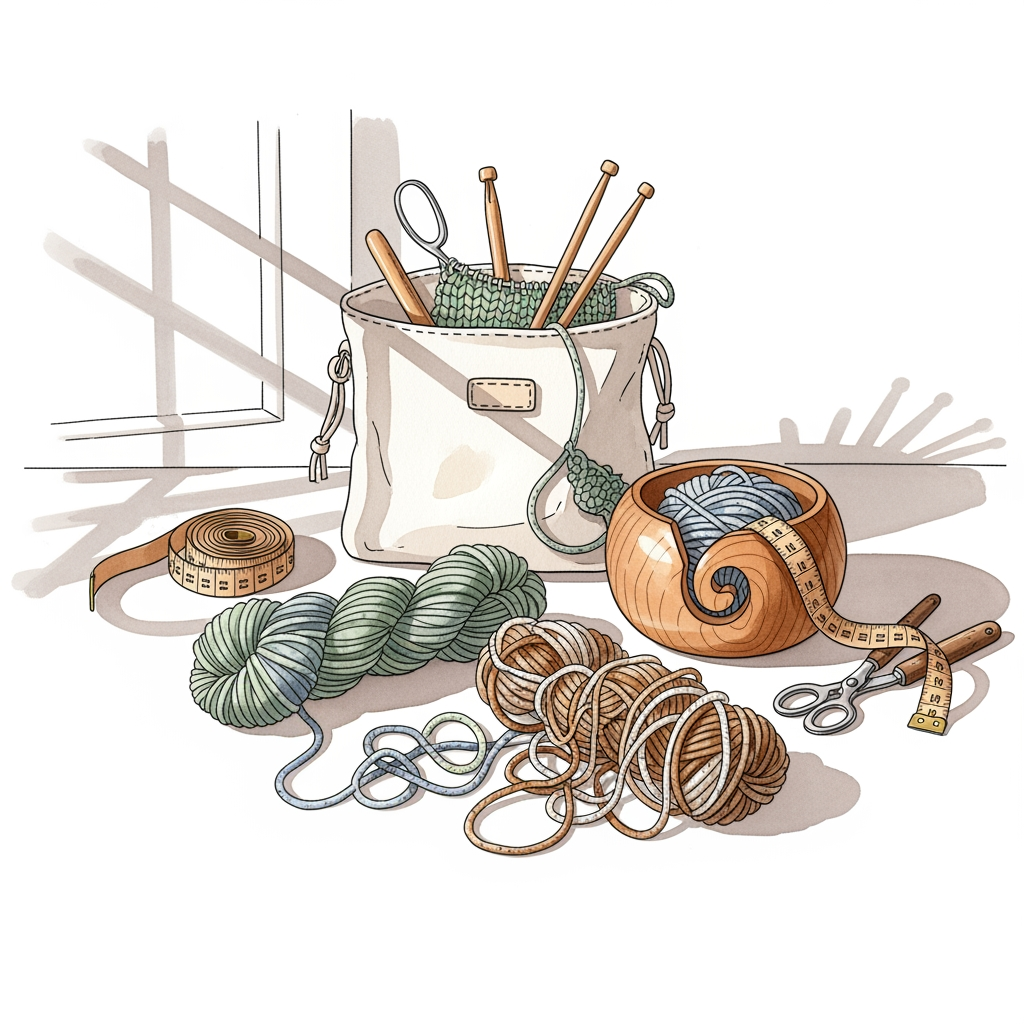
When a customer pulls a hand-dyed skein of merino or a delicate lace project from a package, the unboxing experience sets the tone for the entire relationship. A well-designed shipping insert transforms a simple transaction into a memorable connection that honors the hours spent behind the needles. These small pieces of cardstock are the bridge between the quiet, tactile joy of knitting and the professional presentation of a finished product. Choosing the right medium ensures that the care put into fiber selection and stitch definition is mirrored in the brand’s professional identity.
Vistaprint Postcards: For Easy Custom Branding


Vistaprint serves as a reliable starting point for those new to selling their knitwear or hand-dyed yarns. The platform offers a straightforward interface that simplifies the process of turning digital patterns or logo files into physical collateral.
The primary benefit lies in the speed of production and the accessibility of basic design templates. For a maker juggling dyeing, tagging, and packing, this efficiency allows for a quick turnaround without sacrificing brand cohesion.
However, be mindful that the entry-level paper stocks can feel thin, lacking the tactile weight that premium fibers demand. Opt for the upgraded paper thickness to ensure the card feels substantial enough to stand up to the weight of a heavy wool sweater or a chunky cowl in the same shipping box.
Moo Printed Postcards: Best Premium Feel & Finish
Moo occupies the high-end space for makers who view their brand as an extension of their craft. If the shop specializes in luxury fibers like cashmere, silk blends, or artisan-spun yarns, the insert must match that level of quality.
The distinction here is the paper stock and the precision of the printing. These cards feel professional, crisp, and substantial, which subconsciously signals to the customer that the yarn or garment they purchased is a premium investment.
While the price point is higher, the ROI comes through in customer perception. Using high-quality matte or soft-touch finishes complements the natural, earthy aesthetic often associated with high-end wool and alpaca fibers.
Noissue Custom Cards: For Eco-Conscious Makers
Noissue aligns perfectly with the ethos of the fiber arts community, where sustainability and ethical sourcing are often front and center. This service prioritizes compostable and recycled materials, making it a natural choice for brands highlighting organic cotton, GOTS-certified wool, or plastic-free packaging.
For a knitter who painstakingly researches the origin of their alpaca or the carbon footprint of their shipping supplies, this level of material integrity matters. It reinforces the story of a slow-fashion, conscious business model.
Prioritize these options if the brand identity is built on sustainability. The ability to use custom-printed soy inks on recycled cardstock ensures the branding does not clash with the values of the target audience.
Canva Print Cards: Easiest DIY Design Option
Canva has revolutionized the ability to design high-quality, professional layouts without requiring advanced graphic design software. It is the ideal tool for the knitter who wants complete creative control over their brand imagery.
The design-to-print workflow is seamless, allowing for constant updates to the insert to reflect seasonal collections. Whether changing colors for a fall pattern launch or adding a festive message for the holiday knitting rush, the process remains intuitive.
Keep the design clean and minimal to avoid distracting from the main event: the yarn. Utilize white space to mimic the clean lines of a well-blocked lace shawl, ensuring the brand message remains clear and readable.
GotPrint Flyers: The Most Budget-Friendly Choice
GotPrint offers a high-volume solution that remains gentle on the bottom line. This is a practical route for makers who need to include a large amount of information, such as care instructions for different fiber contents or detailed swatching advice, without inflating shipping costs.
The trade-off often involves a more utilitarian aesthetic. While these are not as luxurious as premium card options, they are highly functional for conveying technical data.
Use these for detailed technical inserts. If a product requires specific care—such as avoiding agitation for non-superwash wool or blocking instructions for a delicate mohair lace—the larger flyer format provides ample room for clarity.
Avery Printable Cards: Best for At-Home Printing
Avery remains the gold standard for immediate, small-batch needs. For the knitter who only prepares a handful of packages at a time, the ability to print on demand eliminates the need for large inventory storage.
This approach works best when the brand requires flexibility. If a specific yarn colorway sells out quickly or a new pattern is added to the shop, the ability to print a few cards at home keeps the packaging relevant without wasting pre-printed stock.
Invest in a high-quality inkjet or laser printer to ensure color accuracy. If the printed colors don’t match the vibrant saturation of the hand-dyed yarn, the customer experience can feel disjointed.
How to Design an Insert That Tells Your Story
An effective insert does more than say “thank you”; it builds a narrative around the craft. Include a brief mention of the inspiration behind the project, the source of the fiber, or a reminder about the meditative nature of knitting.
Maintain brand consistency by matching the typography to the overall shop vibe. A rustic, hand-spun wool brand might benefit from clean, simple sans-serif fonts, while a delicate lace business might prefer an elegant, airy aesthetic.
Always include a personal touch. A small, handwritten note or a signature adds immense value, showing that the project was packed by a fellow maker who understands the significance of the purchase.
Cardstock Weight: What Does ‘gsm’ Mean for You?
GSM stands for “grams per square meter,” and it is the standard measure of paper density. For a shipping insert, the weight dictates how the card feels in the hand and how well it survives the transit process.
A standard flyer usually sits around 120-150gsm, while a high-quality card stock generally starts at 250gsm and goes up from there. For fiber arts, aim for at least 300gsm to ensure the card feels durable and professional rather than flimsy.
Choose a heavier weight for luxury items. A thick, textured card adds a physical element of quality that serves as a tactile reminder of the care put into the yarn or pattern inside.
QR Codes: A Smart Link to Patterns & Socials
QR codes are an incredibly efficient way to bridge the gap between physical packaging and digital resources. They are perfect for directing customers to video tutorials on casting on, blocking a shawl, or joining a monthly KAL (knit-along).
Do not clutter the insert with too much text; use the code to host the deep-dive content. A clear call to action, such as “Scan to watch my favorite blocking technique,” provides immediate value.
Keep the destination mobile-optimized. If the customer scans the code on their phone while sitting in their favorite knitting chair, the landing page must be easy to navigate and view.
Printing at Home vs. Using a Professional Service
At-home printing offers speed, control, and lower entry costs for small businesses. However, it requires an investment in quality hardware and consumables, and it may not always produce the professional, bleed-free finishes of a commercial press.
Professional services excel in scale and finish variety—think spot UV, foiling, or specialized recycled stocks. These options create a “wow” factor that is difficult to replicate at home, effectively justifying the longer wait time and higher upfront cost.
Evaluate based on the current scale of the shop. If volume is low and the brand thrives on spontaneity, home printing is superior. As the business grows and consistency becomes paramount, transitioning to a professional service will elevate the brand’s perceived value significantly.
Selecting the right shipping insert is an investment in the long-term relationship between maker and customer. By aligning the quality of the card with the quality of the fiber, you create an unboxing experience that honors the craft itself. Whether opting for a sleek professional finish or an eco-conscious homemade look, the most important element remains the intention behind the presentation. A thoughtful insert ensures the project is not just received, but truly cherished from the moment the box is opened.
