6 Best Toggle Fasteners For Wool Capes For Secure Closures
Discover the 6 best toggle fasteners for wool capes to ensure secure, stylish closures. Upgrade your outerwear today with our top-rated hardware recommendations.
A hand-knit wool cape is a substantial investment of time, fiber, and skill, often serving as the crowning piece of a winter wardrobe. Choosing the right closure is not merely an aesthetic decision; it determines the garment’s functional longevity and how well it hangs against the weight of the wool. Toggles provide a structural advantage over buttons, distributing tension more effectively across a larger area of fabric. This guide explores the best toggle options to ensure your cape remains a secure, elegant staple for years to come.
Britex Horn Toggles: The Classic, Sturdy Choice
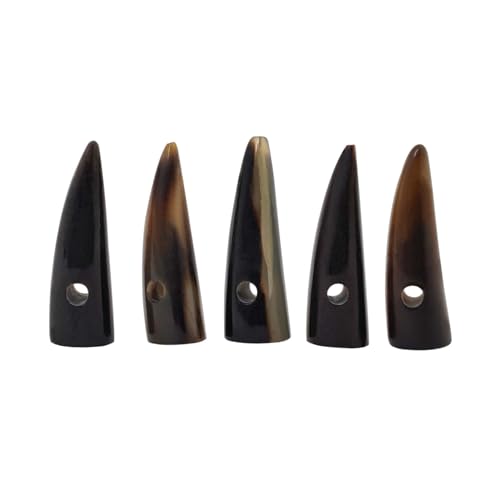

Britex horn toggles are the gold standard for those seeking a timeless, heirloom aesthetic. Crafted from genuine horn, these toggles offer a unique variation in grain and color that complements the rustic nature of woolen yarn. They are remarkably dense, providing a satisfying weight that balances the drape of a heavy cable-knit or felted wool cape.
Because horn is a natural, durable material, these toggles will withstand decades of use without scratching or losing their luster. They excel in projects featuring dense stitches like Fisherman’s Rib or heavy-gauge brioche, where a lightweight plastic fastener would look diminished and feel flimsy. Be aware that the natural texture provides excellent grip, ensuring that a toggle once looped will not easily slip open during brisk movement.
The primary trade-off is the cost and the necessity of hand-sewing with a sturdy buttonhole twist or heavy-duty nylon thread. Because horn is inherently hard, ensure the drill holes are smooth to prevent fraying the yarn over time. For a cape intended to last generations, horn is the superior choice.
M&J Trimming Leather Toggles: Best Rustic Look

Leather toggles introduce a softness and flexibility that pairs perfectly with softer, lofty wools like alpaca or Merino blends. Unlike rigid wood or metal, leather conforms slightly to the movement of the fabric, preventing the “clunk” often heard when metal toggles hit against each other. They lend an immediate, professional finish to hand-knits that might otherwise look homemade.
The key advantage here is the combination of a leather patch with a wooden or plastic toggle, which spreads the tension across a wider surface area of the knit. This is particularly helpful for delicate stitch patterns that might distort if the toggle is pulled from a single point. If your cape features a looser gauge, these patches act as a stabilizer, preventing the closure point from sagging under the weight of the wool.
One must consider the cleaning requirements before opting for leather. Since real leather cannot be machine-washed alongside a superwash wool cape, one must be prepared to detach them before laundering or spot-clean with extreme care. Choose these if the goal is a warm, tactile, and visually integrated look.
Dritz Metal Toggle Set: Most Secure & Modern

Metal toggles are the choice for a clean, industrial look that stands out against deep, saturated wool colors. These are generally the most secure option for heavy-duty outerwear because the metal shanks are engineered to resist snapping under high-tension situations. They provide a crisp, modern aesthetic that works exceptionally well with minimalist, monochromatic cape designs.
These toggles often feature a screw-in or rivet-style attachment mechanism, which feels significantly more secure than traditional thread-sewn toggles. This makes them ideal for bulky items that receive heavy wear, such as capes worn daily for commuting. They are virtually indestructible, making them the most practical choice for high-traffic garments.
The downside is the added weight and the tendency for metal to conduct cold, which can feel jarring against the skin in freezing temperatures. They also require a very tight, well-reinforced attachment point to ensure the metal doesn’t pull through the yarn. Use these for a structured, utilitarian cape where durability is the absolute priority.
Jul Designs Faux Suede Toggles: Best Vegan Option
Jul Designs has mastered the art of creating closures that look like high-end leather without the associated animal products. These faux suede toggles are exceptionally lightweight, which is a major benefit when working with fine-gauge wool capes that might droop if weighted down by heavy brass or horn. The suede texture provides a soft, grippy finish that keeps the toggle firmly in place once it is cinched.
These closures are particularly user-friendly because they often come with pre-punched holes designed for easy sewing onto knitted fabric. This takes the guesswork out of the process, ensuring the toggle is centered and aligned correctly on the cape’s front placket. For the knitter who values ease of use, these are a dream.
While they are highly durable, faux suede can eventually show wear on the edges after years of friction. However, their accessibility and consistent quality make them a reliable workhorse for mid-weight projects. Select these for a polished look that respects both the environment and the structural integrity of your knit.
Hand-Carved Olive Wood Toggles: Artisanal Finish

Hand-carved olive wood toggles provide an unmatched, warm aesthetic that highlights the “slow fashion” nature of hand-knitting. Because each piece is carved, the unique grain patterns make every cape look like a one-of-a-kind art piece. They are surprisingly light, making them perfect for lightweight wool capes or lace-weight shawls that require a closure that won’t distort the delicate drape.
The light weight is a massive advantage for lace and open-work patterns, where heavier toggles would cause the fabric to sag or distort. However, olive wood can be softer than horn, meaning it is more susceptible to nicks if dropped on hard surfaces. To ensure longevity, check the sanding of the wood—well-finished wood won’t catch on your yarn fibers.
These are an ideal choice for someone who knits with natural, rustic wools like undyed Shetland or Icelandic wool. They lean into the organic feel of the fiber rather than trying to compete with it. Opt for olive wood to celebrate the artisanal, hand-crafted spirit of your project.
Soutache Cord Toggle Closures: Lightweight Pick

Soutache cord closures offer a sophisticated, minimalist alternative to traditional toggles. These closures rely on a braided cord loop rather than a rigid bar, which allows the cape to move fluidly with the wearer. They are incredibly lightweight, making them the best option for capes that are designed to be draped over shoulders without adding significant bulk.
These are excellent for projects where the focus is on the stitch pattern rather than the hardware. Because they are soft, they can be machine washed along with most woolen capes, provided the cord is colorfast. The ease of attachment—often involving a simple sewing of the cord base—makes them a favorite for those who prefer to spend more time knitting and less time installing hardware.
The potential drawback is that they can be trickier to open with gloves on, as there is less “lever” action compared to a long horn or wood toggle. If you frequently wear your cape in winter climates requiring heavy gloves, consider a slightly larger cord loop. Choose these for a refined, understated finish that won’t disrupt the drape of your fabric.
How to Choose the Right Toggle Size for Your Cape
The size of the toggle must be proportional to the weight of the yarn and the spacing of the stitches. A massive toggle on a lace-weight cape will overwhelm the garment, while a tiny toggle on a heavy, worsted-weight cape will fail to keep the garment closed. Always visualize the toggle against your swatch; the bar should be at least double the width of the closure loop to prevent accidental slippage.
Consider the “gap” between your toggle and the loop. A loose fit makes for easy closure, but a tight fit is necessary if you intend to wear the cape during active tasks. When in doubt, lean toward a slightly longer toggle bar, as it provides a larger surface area for the loop to catch.
- Fine/Lace weight: Small, lightweight wood or resin toggles.
- DK/Worsted weight: Medium-sized horn or faux suede toggles.
- Bulky/Chunky weight: Large metal or heavy-duty horn toggles.
Attaching Toggles to Hand-Knit Fabric Securely
Never sew a toggle directly into the knit stitches alone, as the weight of the cape will inevitably stretch the yarn and create a hole. Always incorporate a backing material to distribute the tension. A small, circular scrap of leather or a piece of heavy-duty ribbon sewn on the inside of the fabric will act as a stabilizer.
When attaching, use a sturdy, non-stretchy thread like upholstery thread or a strong buttonhole twist. Loop the thread through the toggle and through the cape, catching the backing fabric on the inside. This “sandwich” approach is the most effective way to prevent the closure from pulling through your beautiful work.
If you are using toggles with leather patches, they already provide this built-in reinforcement. However, even with pre-punched patches, adding a small scrap of wool felt to the inside provides an extra layer of protection against long-term wear.
Reinforcing Your Cape for a Pucker-Free Closure
The most common mistake when adding toggles to a knit cape is failing to stabilize the placket area before sewing. Wool is elastic, but toggles are rigid; this mismatch often leads to “puckering” where the weight of the toggle pulls the fabric downward. To avoid this, consider sewing a vertical strip of cotton twill tape or ribbon inside the placket.
This tape acts as a permanent spine for the closure, taking the load of the toggles so that the knit fabric doesn’t have to. You can sew this tape into place using a whipstitch that catches the back loops of your knit edge. It is virtually invisible from the right side of the fabric but provides immense structural support.
Avoid the urge to pull the stitches tight when sewing the tape. The goal is to create a firm anchor that prevents stretching without compressing the loft of the wool. By reinforcing the placket first, you ensure the toggles sit straight and the front edges of your cape remain aligned.
Caring for Capes with Wood, Leather, or Metal
Maintenance depends entirely on the material, but the general rule is to remove or protect the hardware before washing. For wooden toggles, avoid harsh detergents and ensure they are dried thoroughly after washing to prevent warping. Leather toggles should be treated with a leather conditioner occasionally if they start to look dry or brittle.
Metal toggles are the lowest maintenance, but be careful of salt air or high humidity if you live in a coastal area, as they can tarnish or oxidize. If you cannot remove the toggles before washing, place the cape inside a laundry bag to prevent the toggles from catching on the drum of your machine or damaging the knit fabric of the cape itself.
Ultimately, treated with care, these accessories will outlast the wool itself. If you notice any loose threads around the attachment site, re-secure them immediately to prevent the toggle from snagging and tearing the yarn. A few minutes of proactive maintenance ensures that your cape remains a reliable companion for many winters to come.
Choosing the right toggle closure is the difference between a project that feels unfinished and one that feels like a professional garment. By balancing the physical weight of your fiber with the structural properties of the hardware, you ensure that your cape will be both beautiful and fully functional. Take the time to reinforce your placket, select the appropriate material for your specific weight of wool, and your cape will be a cherished piece for years.