6 Best Toggle Stoppers For Adjustable Hoodie Drawstrings
Upgrade your apparel with our 6 best toggle stoppers for adjustable hoodie drawstrings. Find the perfect secure fit for your favorite gear—shop our top picks now.
A well-placed toggle can transform a hand-knit hoodie from a shapeless garment into a professional-grade piece of outerwear. Drawstrings on heavy wool or thick cotton garments often slip, causing the hood to lose its structure and protection against the wind. Choosing the right hardware is as important as selecting the perfect yarn weight for a project. This guide breaks down the best options to ensure your functional hardware matches the quality of your craft.
Paracord Planet Barrel Locks: Best Value Pack


These barrel locks are the industry standard for general-purpose applications. They offer a simple, spring-loaded mechanism that is easy to manipulate even with cold, tired hands after a long knitting session.
Purchasing in bulk makes these ideal for those who manage multiple projects or host knitting groups. Because the spring tension is moderate, they work effectively on a variety of cord weights without snapping delicate fibers.
However, avoid using these on extremely thick, bulky-weight macramé cords as the internal channel can become jammed. Stick to standard cotton or synthetic drawstrings for the best result.
ITW Nexus Toaster Ellipse: Most Durable Option
The Toaster Ellipse is engineered for high-performance outdoor gear, making it a stellar choice for garments exposed to the elements. These locks feature a unique geometry that resists accidental movement, ensuring your hood stays exactly where it was placed.
When working with sturdy, worsted-weight wool, the sheer strength of these toggles provides peace of mind that the cord won’t slip during a brisk walk. The reinforced plastic housing stands up to repeated washing cycles without degrading.
These are slightly bulkier than simple barrels, so consider the weight of the fabric. On a lightweight lace-weight hoodie, they may appear top-heavy, but they are indispensable for heavy-duty sweaters.
Wooden Barrel Toggles: Best for Natural Fibers
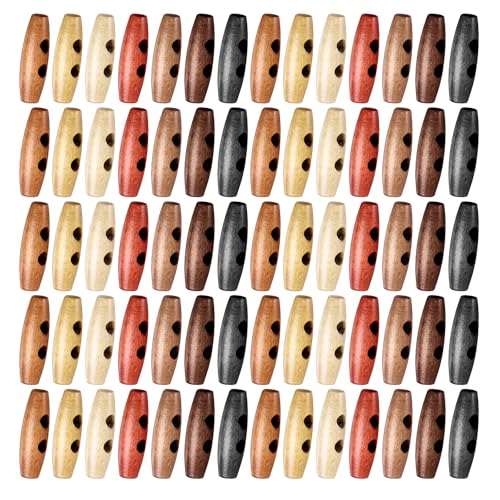
Wooden toggles bring an organic, finished aesthetic to sweaters made from wool, alpaca, or linen. They provide a beautiful contrast to hand-dyed yarns and complement the texture of cabled or garter-stitch fabrics.
Because wood is a natural material, these toggles often lack the aggressive spring tension of plastic alternatives. They rely more on the friction created by the cord passing through the wooden channel.
Use these for garments where the aesthetic is a priority over high-performance athletic utility. They pair perfectly with rustic, woolen-spun yarns that have a bit of natural grab to them.
Nifco TSL Series Cord Lock: Best for Jackets
The Nifco TSL series is the preferred choice for professional apparel designers who prioritize a slim profile. These locks sit flat against the fabric, which prevents them from catching on other garments or getting tangled in hair.
For knitters, this low profile is a significant advantage when layering. A bulky toggle under a winter coat can create an uncomfortable lump; the Nifco minimizes this, keeping the silhouette clean.
These locks excel on synthetic or blended cords that are smooth and prone to slipping. The gripping mechanism is aggressive, locking the cord securely into place with minimal effort.
Metal Cylinder Locks: Sleekest Modern Design
Metal locks offer a sophisticated, polished look that elevates a knit garment from “homemade” to “high-end.” These are often heavier than plastic, which helps keep the drawstring ends weighted and centered.
Be mindful of the weight when using these on lightweight fingering-weight garments. Too much weight on the drawstring can distort the neckline stitches if the hood is not properly reinforced with a sturdy bind-off or a facing.
Always ensure the metal finish is corrosion-resistant. Since hand-knits are often washed by hand or soaked, a high-quality, non-tarnishing alloy is essential to prevent staining the surrounding fibers.
Fidlock SNAP Fasteners: Premium Magnetic Choice
Fidlock represents the pinnacle of modern fastening technology. Using magnetic force rather than just mechanical tension, these fasteners snap together with a satisfying, tactile click.
While they are more complex to install, they provide a futuristic user experience that justifies the extra cost. They are perfect for luxury garments where every detail, including the hardware, needs to feel premium.
Because they operate on magnets, ensure they are not used near sensitive electronics. For the knitter creating a high-end gift, this is the hardware choice that truly distinguishes the project.
How to Choose the Right Toggle Stopper Size
Toggle sizing depends entirely on the thickness of the cord used. A cord that is too thin will slide through a large toggle, while a cord too thick will fray or jam the mechanism.
- Measure your cord diameter: Always use a needle gauge or a ruler to check the millimeter thickness of your drawstring.
- Check the hole diameter: Manufacturers usually list the internal channel size; choose a toggle with a hole at least 1mm wider than your cord.
- Test for resistance: Slide the toggle onto a scrap piece of your chosen cord before finalizing the garment attachment.
If you are using a braided cotton or paracord, remember that these can shrink slightly after their first wash. Leave an extra margin of space in the toggle channel to accommodate any potential fiber swelling.
Plastic vs. Metal vs. Wood: Which is Best?
The choice of material often comes down to the intended use and the “hand” of the final garment. Plastic is universally functional and lightweight, making it the safest bet for children’s clothing or athletic wear.
Metal adds durability and a heavy, premium feel, but it requires careful selection to avoid unnecessary bulk. Wood offers unmatched style for rustic projects but generally offers the least amount of mechanical “grip.”
Match the hardware material to the fiber content of your drawstring. A cotton cord grips well in a wooden toggle, whereas a slick, synthetic nylon cord requires the firmer clamping force of a plastic or metal mechanism.
Installing Your New Toggle Stopper in 3 Steps
- Prepare the ends: Use a sharp pair of scissors to cut your drawstring, then quickly pass the ends through a flame if the cord is synthetic to prevent fraying.
- Thread the mechanism: Depress the toggle button fully to open the channel, feed the cord through, and release the tension to test the hold.
- Secure the ends: Tie a simple overhand knot or a figure-eight knot at the end of the cord to ensure the toggle cannot slide off during regular use.
For a cleaner look, you can hide the knot inside a small fabric bead or a folded-over piece of leather. Always double-check that the cord length is sufficient to allow the hood to be pulled comfortably over the head before knotting the ends.
Creative Toggle Stopper Uses Beyond Hoodies
Toggles aren’t just for hoodies; they are remarkably useful for managing yarn organization. Use them on project bags to keep drawstring closures cinched, ensuring your needles and balls of yarn stay secure while traveling.
They also make excellent tensioners for lace blocking. By using a toggle to pull a blocking wire or string to the perfect tension, you can maintain consistent pressure across the entire edge of a shawl.
Consider using them on footwear, such as replacing standard laces on knitted slippers for a quick-release fit. A toggle can replace the need for difficult-to-tie laces, making hand-knits more accessible for children or those with limited dexterity.
Selecting the right toggle is a final, vital step in ensuring your hand-knits are as functional as they are beautiful. By matching your hardware to the weight, fiber, and style of your project, you ensure that every stitch stays secure and every hood maintains its shape. Take the time to consider how your chosen toggle will interact with your yarn, and the result will be a garment that stands the test of time.