6 Best Pin Cases For Safe Storage Collectors Rely On
Protect your collection with the 6 best pin cases trusted by experts. Discover durable, stylish storage solutions to keep your pins safe and organized today.
Every dedicated knitter eventually reaches a tipping point where a stray box of pins becomes an organized collection. Whether managing T-pins for intricate lace blocking or decorative enamel pins commemorating finished projects, how these tools are stored dictates their longevity and accessibility. Proper storage prevents bent tips, oxidation, and the inevitable frustration of losing a crucial piece in the bottom of a project bag. Selecting the right case transforms a cluttered workbench into a professional-grade fiber arts studio.
Della Q Maker’s Canvas Pin Case: Best Overall
The Della Q Maker’s Canvas Pin Case balances industrial durability with the aesthetic sensibilities of a serious crafter. Constructed from waxed canvas, it offers a sturdy exterior that resists the occasional snag from a stray circular needle or pair of snips.


This case excels because it provides dedicated internal pages that allow for the systematic separation of different pin types. If a project requires a mix of stainless steel T-pins for blocking wool and specialized silk pins for delicate lace, the organizational layout keeps them distinct.

The trade-off for this robust construction is its size; it is not designed for a minimalist pocket. For the maker who values a permanent, reliable home for a vast collection, this is the gold standard.
The Loopy Ewe Project Pouch: Best for Travel
Travel knitting demands tools that can withstand being tossed into a carry-on or tucked into the side of a tote. The Loopy Ewe Project Pouch offers a soft, pliable structure that conforms to the shape of a bag without adding unnecessary bulk.
While soft-sided, these pouches are reinforced enough to keep smaller pins from piercing through the fabric. They are ideal for storing the essential “on-the-go” kit: a handful of blocking pins, a tapestry needle, and a few stitch markers.
The primary limitation is the lack of rigid internal dividers, meaning pins may shift during transit. Use this case for temporary storage while commuting, but transfer to a hard-sided case for long-term protection.
ArtBin Super Satchel Slim: Best Budget Pick
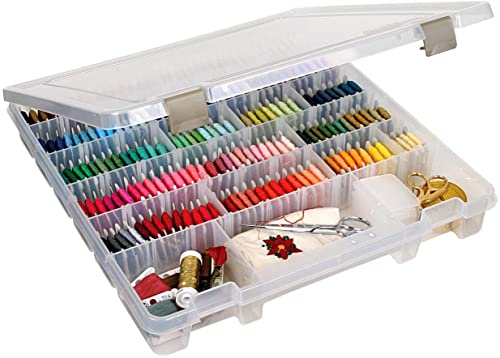
The ArtBin Super Satchel Slim brings a pragmatic, archival approach to pin storage. Originally designed for crafting supplies, its compartmentalized plastic interior is perfect for sorting pins by gauge, length, or material.

Its low profile allows it to slide easily onto a shelf or under a desk, maximizing studio space. The transparent lid provides an immediate visual inventory, which is invaluable when searching for specific blocking pins before a final soak and block.
Because it is plastic, it lacks the tactile charm of fabric cases, but its functionality is undeniable. It provides an airtight seal that is superior to almost any cloth-based alternative for preventing humidity-related corrosion.
Cocoknits Kraft Caddy: Best for Project Bags
The Cocoknits Kraft Caddy is built for the maker who prefers a modular setup. It is specifically designed to work within larger knitting totes, standing upright to keep tools visible and easily accessible during a long session of stranded colorwork.
This caddy is exceptionally durable, made from a washable paper material that feels like leather but behaves like a high-performance textile. It is the perfect anchor for a mobile workstation, holding not just pins, but also scissors and small measuring tapes.

It does not close securely at the top, so it is not a “toss in the car” solution. Rather, it is the best companion for a dedicated knitting corner where tools need to remain upright and ready.
Knit Picks Blocking Pin Storage: Most Versatile

Knit Picks often focuses on the direct relationship between the tool and the finished garment, and their storage solutions reflect this. Their dedicated pin storage is designed with the specific lengths and head-styles of blocking pins in mind.
If the collection consists mostly of standard T-pins and heavy-duty blocking pins, this case is highly efficient. It avoids the wasted space often found in generic craft containers, ensuring every pin has a secure slot.
The trade-off is its specialized nature; it is rarely suited for anything other than pins. However, for the knitter focused on professionalizing their blocking routine, it provides the most tailored experience.
Katrinkles Magnetic Holder: Best for Metal Pins
A magnetic holder is a revelation for anyone who has fumbled with tiny pins while trying to pin out a delicate mohair shawl. The Katrinkles Magnetic Holder keeps metal pins firmly in place while allowing for quick, one-handed retrieval.
Magnets are particularly beneficial for those with limited dexterity or those who work with very fine gauge pins that are difficult to grasp individually. The open design means the pins are visible, preventing the “pin-cushion effect” where pins get buried and lost.
The obvious caveat is that this only works for ferrous metal pins. Aluminum or stainless steel pins with low iron content may not adhere well, so verify the material of the collection before switching to this method.
What to Look for in a Knitting Pin Case
When choosing a case, prioritize the material’s interaction with the pins. Avoid materials that trap moisture, as they will cause delicate steel pins to rust over time.
Look for a closure mechanism that is secure enough to prevent spillage if the case is dropped. A spilled box of sharp blocking pins is a hazard in any home, especially in households with pets or children.
Consider the “visibility versus protection” trade-off. A case that is fully enclosed offers the best protection from dust and humidity, while an open tray offers the best efficiency during the active blocking process.
Hard vs. Soft Cases: Which Protects Pins Best?
Hard cases are superior for long-term storage because they prevent the pins from bending under external pressure. If a heavy stack of yarn or a knitting manual is placed on top of a soft pouch, the pins inside can warp or break.
Soft cases are better for active projects where the collection is small and lightweight. They offer a quieter, more tactile experience that many makers find pleasant.
The optimal strategy is a hybrid: use a hard case for the bulk of the collection and transfer only the necessary pins for a current project into a soft pouch. This keeps the primary collection safe while maintaining portability.
Organizing Your Pins: A System for Every Type
Organize by function rather than just size. Group blocking pins, assembly pins, and decorative shawl pins into separate sections or containers.
- Blocking Pins: Keep these in a large-capacity container; they are used in bulk.
- Seaming Pins: Store these in a magnetic dish or small, dedicated compartment for easy access.
- Decorative Pins: Keep these separated to prevent scratching their finish or damaging the enamel.
A labeled system prevents the frustration of testing three different pin sizes before finding the right one for a heavy wool sweater. Consistency in organization is the greatest time-saver in the studio.
Preventing Rust and Damage to Your Pin Collection
Rust is the primary enemy of knitting pins, often caused by the oils in human skin or residual moisture from blocking projects. Always ensure pins are completely dry before putting them away.
Adding a small silica gel packet to any enclosed pin case can absorb ambient moisture, especially in humid climates. This is a simple, inexpensive way to extend the life of high-quality stainless steel pins.
Periodically wipe down pins with a soft, dry cloth to remove lint and skin oils. Taking thirty seconds to clean pins after a blocking session ensures they remain smooth and ready for the next delicate project.
Investing in a proper storage system is as essential as selecting the right yarn for a complex design. By choosing a case that protects your pins and fits your workflow, you ensure that your tools are a source of support, not frustration.