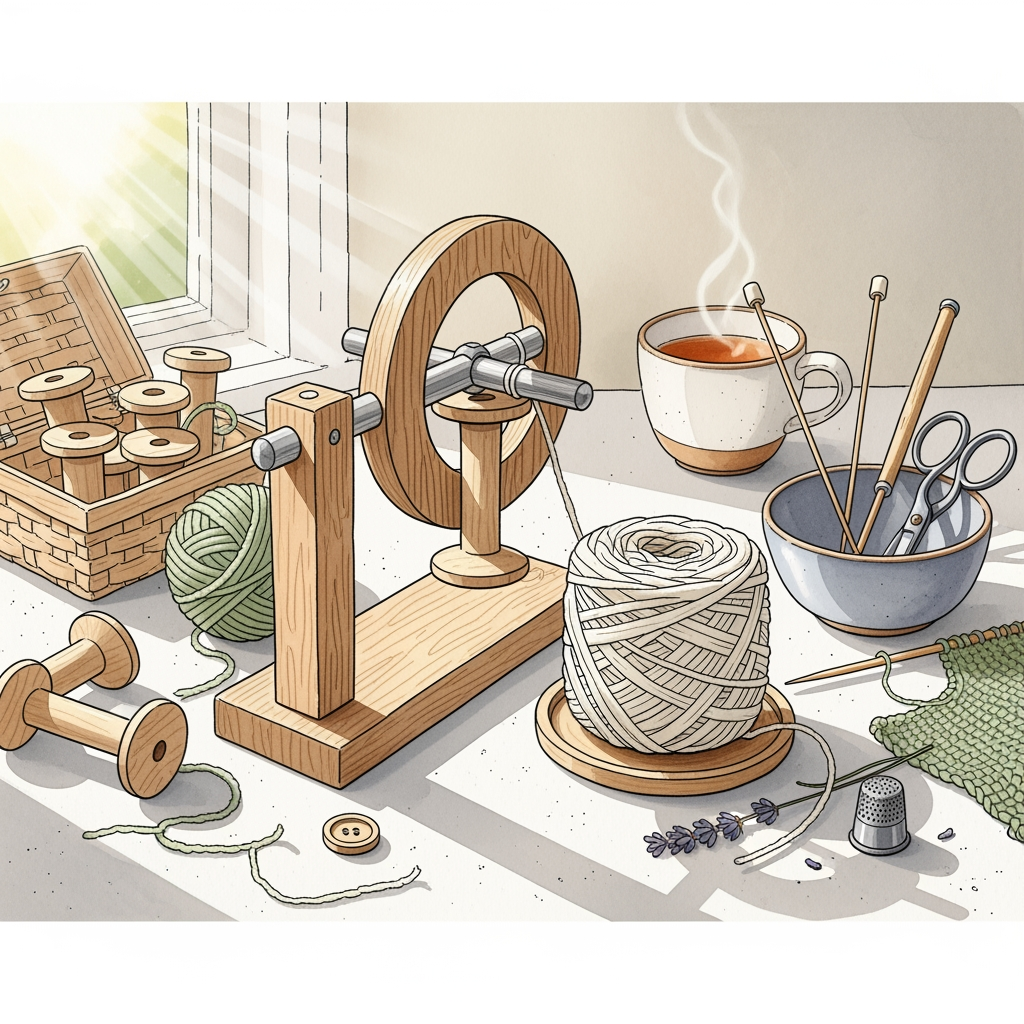
6 Bobbin Winders For Managing Embroidery Thread
Struggling with tangled embroidery thread? Discover the 6 best bobbin winders to organize your supplies efficiently. Read our expert guide and shop today.
Tangled embroidery floss is the silent thief of creative time, turning a relaxing session into a chore of knots and snarls. Managing a thread collection effectively transforms how projects transition from concept to completed stitch work. Choosing the right bobbin winder depends entirely on the volume of thread typically handled and the physical comfort required for repetitive motions. These tools are the essential link between chaotic skeins and a meticulously organized stash.
DMC Plastic Winder: The Simple, Classic Choice


The DMC plastic bobbin is the industry standard for a reason: simplicity and ubiquity. These are designed for manual winding, making them ideal for small batches or tidying up a single color after a project is finished.
Because they are inexpensive, they allow for a uniform appearance across large collections. Uniformity makes finding specific shades in a storage box much faster, which is critical when working on complex, multi-colored charts.
However, manual winding requires patience and consistent tension. If the floss is wrapped too tightly, it can compress the fibers, slightly altering the appearance of the stitches on the fabric.
LoRan Hand-Crank Winder: Best for Big Batches
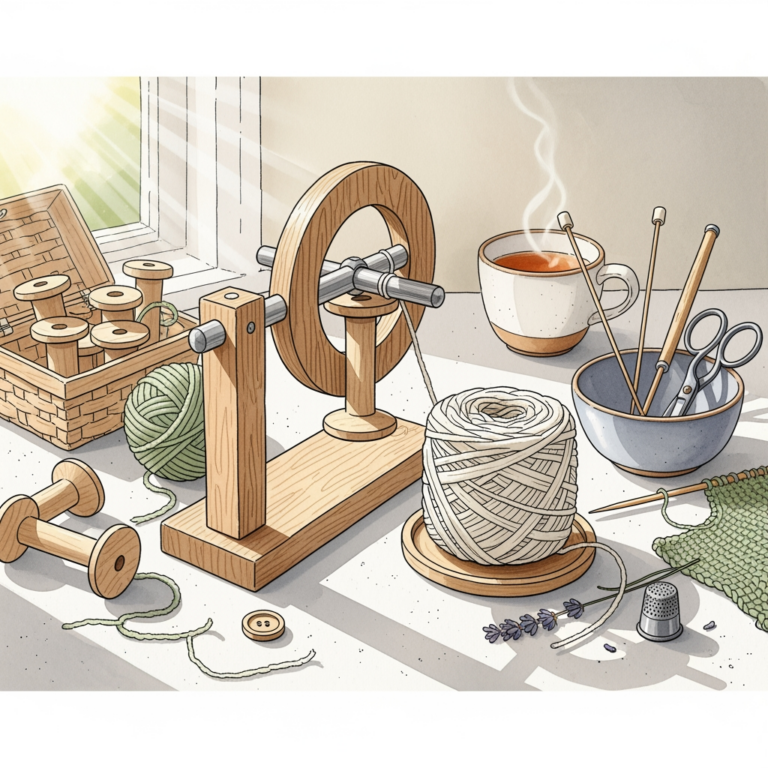
For those who find manual winding tedious, the LoRan hand-crank winder provides a mechanical advantage that significantly speeds up the process. It mounts to a table or box, allowing for a steady, two-handed approach.
This tool is particularly effective when breaking down full embroidery skeins that have been purchased in bulk. The crank provides enough torque to keep the winding smooth, preventing the thread from jumping off the sides of the bobbin.
Be aware that these units are usually made of lightweight plastic components. Frequent, high-speed usage can lead to gear wear, so maintaining a steady, moderate pace is recommended to extend the tool’s lifespan.
New brothread Electric Winder: For Ultimate Speed

The electric winder is the professional choice for those who maintain massive thread stashes. It eliminates the physical strain of turning a crank or rotating a bobbin by hand, which is a major benefit for those with joint discomfort.
The primary advantage is consistent tension, which is difficult to replicate manually. The motor maintains a steady speed that keeps the thread evenly distributed across the bobbin width.
The trade-off is the learning curve; electric winders can be aggressive. Start with a slow setting to ensure the thread doesn’t snag or snap, especially with more delicate, vintage, or specialty fibers.
Drill Attachment Winder: The Power Tool Method
A drill-mounted bobbin winder is a rugged, “hack” solution for serious makers who already own a variable-speed cordless drill. This setup offers the most power and speed of any winding method currently available.
It is perfect for rapid-fire organization sessions. Because the speed is controlled by the drill’s trigger, it is easy to modulate from a slow start to a high-speed finish once the rhythm is established.
Exercise extreme caution with torque settings. Drills can easily snap a plastic bobbin or break a thread strand if the clutch isn’t set low enough, so always start at the absolute lowest power setting.
Caydo Organizer Kit: Best All-in-One Solution
The Caydo kit functions as an entry point for those building a collection from scratch. It typically includes a generous number of bobbins, a storage box, and a basic manual winding tool.
The benefit here is organization out of the box. Instead of piecing together individual components, this provides a cohesive system where the bobbins are guaranteed to fit the included box slots.
It is important to check the durability of the included plastic bobbins in such kits. Occasionally, bundled bobbins are thinner than standalone versions and may warp if the thread is wound too densely.
Bucilla Bobbin Winder: A Reliable, Sturdy Pick
The Bucilla winder is often cited for its durability, falling somewhere between basic manual tools and more complex gear-driven units. It is designed to be a workhorse that resists the typical wear and tear of long-term embroidery projects.
Its construction is generally heavier, which provides a more solid feel in the hand. For makers who prefer a tactile, sturdy tool rather than a flimsy accessory, this is a significant step up in quality.
Even with sturdier tools, keep the winding path clean. Lint from cotton embroidery thread can accumulate in the gears over time, leading to mechanical drag that can cause the tool to bind.
Manual vs. Electric: Which Winder Is Right for You?
The choice between manual and electric comes down to volume and physical capability. Manual winders are excellent for occasional projects and offer better control, while electric models save time and effort.
- Manual: Best for those who enjoy the process of organizing, have smaller stashes, or want a portable, battery-free tool.
- Electric: Best for high-volume stash management, those with wrist or hand fatigue, and makers who want maximum efficiency.
Ultimately, consider the frequency of use. If you only wind floss once a month, the simplicity of a manual winder is worth the trade-off in speed.
How to Wind Floss Without Creating Tangled Knots
Winding effectively requires a stable setup and consistent hand tension. Never wind directly from a tangled ball; always lay the skein out flat or use a thread holder to allow for smooth rotation.
Guide the thread with your index finger and thumb to ensure even distribution. Avoid crossing the threads too aggressively, as this builds up volume in the center of the bobbin and can cause the sides to bow outward.
If the thread starts to feel “bouncy,” stop and adjust the tension. A bobbin that is wound too loosely will lose its structure, while one that is over-packed will become difficult to store in standard project boxes.
Choosing Bobbins: Plastic, Cardboard, and More
Plastic bobbins are the gold standard for long-term storage, as they are durable and resist moisture better than cardboard. Cardboard bobbins are a classic, eco-friendly option, but they can wear out or fray at the edges after repeated use.
Consider the thickness of the material when purchasing. Thin bobbins take up less space in a storage box, but thick, reinforced plastic bobbins are essential for holding larger amounts of thread without buckling.
If working with specialty threads like metallic or silk, choose plastic. These fibers are more prone to abrasion, and the smooth surface of plastic prevents the thread from catching on microscopic paper fibers.
Organizing Your Wound Bobbins for Easy Project Use
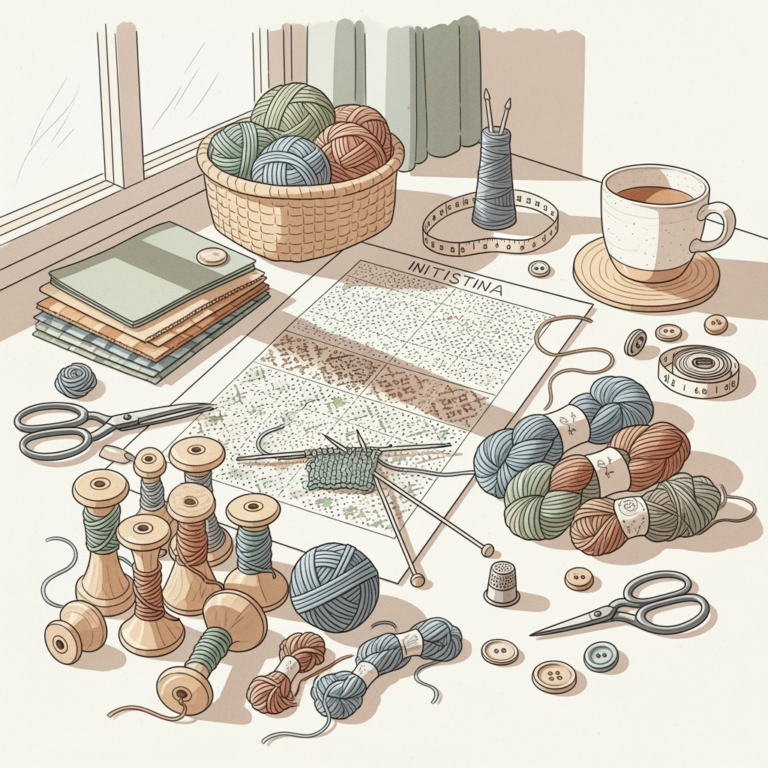
Storage boxes are the final piece of the organization puzzle. Look for boxes with adjustable dividers, which allow the bobbins to sit snugly without shifting during transport.
Label every bobbin as soon as it is wound. Using a permanent marker on the plastic or the designated area on cardboard bobbins prevents future frustration when identifying shade numbers that have faded from the original packaging.
Arrange your bobbins by color family, then by shade depth. This visual gradient makes it much faster to pull threads for a project, turning a disorganized pile into a curated library of color.
Investing time in a structured winding and storage system pays dividends in project speed and peace of mind. By selecting the tool that best fits the size and scope of your stash, the focus remains where it belongs: on the craft itself.