6 Best Lace Bobbins For Handmade Lace Projects
Looking for the perfect tools? Explore our top 6 picks for high-quality lace bobbins to elevate your handmade lace projects. Shop our recommendations today.
Selecting the right lace bobbin is as fundamental to bobbin lace as choosing the correct needle size is to a complex cable-knit sweater. Just as the weight and texture of a yarn dictate the needle material, the specific lace technique dictates the balance, weight, and shape of the bobbin required. Investing in quality bobbins transforms the tactile experience of lace making, turning hours of repetitive motion into a fluid, rhythmic practice. This guide navigates the essential options to ensure every pair of bobbins chosen supports the integrity of the finished textile.
Chris Parsons Midland Bobbins: Best for English Lace
Chris Parsons bobbins are widely regarded as the gold standard for those practicing traditional English lace techniques. Crafted with a focus on ergonomic balance, these bobbins provide the consistent weight necessary for maintaining firm tension in English-style patterns.
The wood selection and finish on these bobbins are deliberate, offering a smooth tactile surface that does not snag delicate threads. This is crucial when working with linen or fine cotton, as any burrs on the wood would cause fraying and compromise the structural integrity of the lace.
If the goal is to master English Midland lace, these bobbins provide the weight-to-length ratio required for precise manipulation. They are an investment piece, but the longevity and consistent performance make them an essential tool for the dedicated lace maker.
Lacis Belgian Bobbins: Best for Heavier Threads
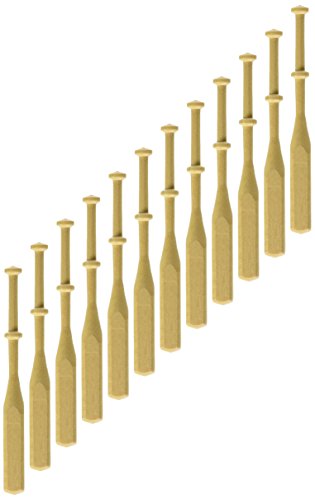

Belgian-style bobbins are noticeably thicker and often shorter than their English counterparts, making them ideal for heavier threads or multi-thread projects. Their robust design allows for a greater winding capacity, which is necessary when working with thicker yarns that would quickly deplete the thread reserve on smaller bobbins.
The sturdier construction of these bobbins helps in maintaining tension when working with heavier, more structured fibers like heavier gauge linen. While lighter bobbins might bounce or twist uncontrollably with heavier thread, these provide the grounded feel required for smooth movement.
For lace projects utilizing metallic threads or thick, textured cottons, Belgian bobbins are the practical choice. Their shape allows for a comfortable grip during long sessions, ensuring that the hands do not tire as quickly when managing bulkier materials.
Harlequin Bobbins Spangled Set: Best for Beginners
Harlequin bobbins are frequently recommended for beginners because they offer a vibrant, visual way to distinguish pairs while learning the fundamental crosses and twists. Each bobbin is finished with a unique spangle, allowing for easier tracking of thread paths across the lace pillow.
Learning bobbin lace is an exercise in muscle memory and pattern recognition. Using distinct, color-coded, or character-labeled bobbins reduces the cognitive load during the initial learning phase, preventing the common frustration of crossing the wrong pair.
These sets provide a cost-effective entry point without sacrificing the necessary balance of a functional tool. They serve as a perfect foundation, allowing the maker to focus on stitch formation rather than managing an unorganized set of identical, unmarked bobbins.
Stuart Johnson Honiton Bobbins: Top for Fine Work
Honiton lace is defined by its extreme delicacy and intricate, floral-inspired patterns. Stuart Johnson bobbins are specifically engineered for this high-precision work, featuring a slender profile that allows for tightly packed arrangements on the pillow.
When working with fine threads—often 100/2 or finer—the bulk of a standard bobbin can actually impede the ability to manipulate the stitches accurately. These slender bobbins allow the lace maker to work in tight quarters, essential for those complex, curved motifs typical of fine Honiton lace.
Because these bobbins are lightweight, they prevent the weight of the bobbins from pulling on the fragile, delicate threads. For anyone moving into advanced, fine-thread lace, choosing these specialized tools is a necessity to achieve the desired drape and clarity of the finished design.
Van der Grijp Square Bobbins: Best for Torchon

Torchon lace is known for its geometric patterns and repeated, predictable movements. Van der Grijp square bobbins are designed to sit securely on the pillow, preventing the rolling that can often disrupt the rhythm of a steady, repeating pattern.
The flat sides of these bobbins offer a distinct mechanical advantage when managing large numbers of pairs. Unlike round bobbins that may wander across the work area, these stay exactly where they are placed, maintaining the visual organization of the lace.
This stability is particularly helpful for beginners and intermediate makers who are still developing a steady rhythm. By reducing the likelihood of accidental movement or tangling, these bobbins help keep the workspace clear and the project organized throughout the execution of a Torchon border or scarf.
John Woodcock Travel Bobbins: Most Portable Option
Traveling with lace projects can be difficult due to the size and weight of standard bobbins. John Woodcock travel bobbins are compact and lightweight, specifically designed to fit into smaller, portable lace pillows without sacrificing the functionality required for standard patterns.
These bobbins prioritize utility in a condensed form. They are ideal for makers who want to take their work on the go, such as to a local knitting guild meeting or while traveling, where bulky, long-handled bobbins would be inconvenient to transport.
While they may lack the heft of traditional, full-sized bobbins, they remain perfectly balanced for most standard lace tasks. They are a practical solution for the mobile fiber artist who refuses to leave a project unfinished simply due to a lack of workspace.
How to Choose the Right Bobbin for Your Lace Type
Selecting the right bobbin is a balance of thread weight, project type, and physical comfort. Consider these factors when building a set:
- Thread Weight: Finer threads require lightweight, slender bobbins; thicker threads require heavier, thicker bobbins to maintain tension.
- Technique: Choose bobbins that match the traditional style being practiced, such as long English bobbins for Midland or flat-sided for Torchon.
- Ergonomics: Ensure the bobbin length fits the hand comfortably to avoid fatigue during long work sessions.
If you struggle with erratic tension, try switching to a slightly heavier bobbin to provide more consistent downward pull on the thread. Conversely, if the thread begins to fray or snap, the bobbins being used may be too heavy for the delicate fibers.
Midland vs. Continental Bobbins: Key Differences
The primary difference between Midland and Continental bobbins lies in their shape and usage style. Midland bobbins are typically long and elegant, designed for traditional English lace where the bobbins are tossed and handled with a specific, rhythmic flick of the wrists.
Continental bobbins, often shorter and slightly more bulbous, are designed for techniques common across Europe. These bobbins are usually moved with a slide-and-place motion, which is better suited for patterns that rely heavily on braids and gimp threads.
Choosing between them is often a matter of the regional style being studied. If the pattern is traditional English, stick to Midland; if it is a European braid-heavy lace, Continental will feel more intuitive to the hand.
Understanding Spangles: Decoration vs. Function
Spangles—the decorative beads at the end of the bobbin—are more than just aesthetic additions. They provide essential weight, acting as a tensioning device that keeps the thread taut against the pins.
While it is common to choose spangles based on style, they also serve as vital landmarks. Using different colors, shapes, or textures of beads helps the maker track different thread groups, which is essential for complex patterns where pairs must be identified at a glance.
A well-spangled bobbin should have enough weight to keep the thread tension firm without dragging on the lace or causing the pins to bend. If the spangles are too light, tension will be inconsistent; if too heavy, the lace might distort or the pins may pull out of the pillow.
Winding Bobbins for Perfect Tension Every Time
Proper winding is the foundation of uniform tension in any lace project. When winding by hand or with a winder, ensure the thread is distributed evenly across the bobbin shank, avoiding uneven mounds that cause the bobbin to wobble.
Start by securing the thread with a half-hitch or a small knot to prevent slipping. As the thread fills the bobbin, maintain a consistent grip, ensuring the thread is wound tight enough to stay in place but not so tight that it loses its loft or causes the wood to warp.
Always test the tension before beginning the work. The bobbin should hang straight and provide a gentle, steady pull; if it spins wildly or sits limp, adjust the amount of thread remaining on the bobbin.
Investing in these essential tools elevates the practice of lace making from a simple hobby to a refined craft. By carefully matching the bobbin type to the lace technique and thread weight, every maker can ensure their project maintains the structural beauty and delicate drape characteristic of professional-quality lace.