6 Best Felt Scraps For Miniature Rugs To Try
Create stunning miniature rugs with these 6 best felt scraps. Read our expert guide to choose the perfect materials and elevate your next DIY craft project today.
Miniature rug making is the ultimate test of patience and precision for any fiber artist. Just as choosing the wrong yarn weight can ruin the drape of a lace shawl, selecting the improper felt scrap can derail a perfectly scaled project. These six selections offer the best foundations for creating heirloom-quality floor coverings for dioramas or dollhouses. Mastery of these materials ensures that every stitch and pattern remains true to scale.
Benzie Design Wool Blend: Best for Vibrant Color


Color saturation in miniature work is difficult to achieve, as pigments often appear muddy when scaled down. Benzie Design wool-blend felt offers an exceptional range of hues that remain crisp even under close inspection.
Because this is a blend of wool and rayon, it possesses a structural integrity that pure wool sometimes lacks. It holds a crisp edge, which is vital when cutting intricate geometric patterns for a Persian-style miniature rug.
If a project demands a specific, high-contrast palette, this brand is the gold standard. It mimics the look of high-quality felted wool without the tendency to pill over time, ensuring the rug keeps its surface texture intact.
Kunin Classicfelt Scraps: The Go-To Budget Pick
For those practicing complex border designs or rug fringe techniques, Kunin Classicfelt serves as an ideal training material. Its low price point allows for the inevitable trial-and-error that comes with mastering miniature scale.
Constructed from recycled plastic bottles, this material is notably stiffer than natural fiber options. This rigidity can be a significant advantage when creating rugs that need to sit perfectly flat on a miniature floor without curling at the corners.
However, the synthetic nature of this felt means it does not take heat blocking or steam as well as wool. It is best reserved for projects where structural flatness is more important than a soft, organic hand.
Felted Sky Hand-Dyed Wool: For Artisanal Rugs
Hand-dyed wool provides a depth of field that mass-produced materials simply cannot replicate. Each scrap offers subtle shifts in tone that add an immediate, aged authenticity to any miniature setting.
The natural protein fibers in this felt respond beautifully to manipulation, such as needle felting extra detail onto the surface of the rug. For creators who want to add texture—like a raised border or a central motif—this wool provides the necessary grip.
While the cost is higher, the aesthetic return is substantial. It is the preferred choice for collectors who prioritize the “artisan” feel over perfect uniformity.
National Nonwovens WoolFelt: The Heritage Choice

When historical accuracy is the priority, National Nonwovens sets the industry benchmark. This felt is widely regarded for its density and consistent thickness, which prevents the rug from appearing overly bulky against miniature furniture.
The high wool content ensures that the material resists shedding, even after repeated cutting. It behaves much like a traditional woven wool fabric, making it easy to finish edges with a tiny whipstitch or blanket stitch.
Reliability is the hallmark here. If a large project requires matching textures across multiple rugs, the consistency of this line is unmatched.
Stick-It Adhesive Felt Sheets: Easiest to Apply
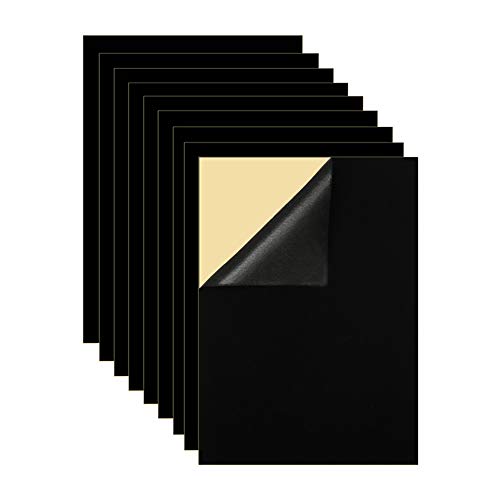
The primary challenge in miniature rug making is securing the piece to a display surface without damaging the flooring. Stick-It sheets bypass the need for messy liquid adhesives by incorporating a high-quality backing.
The adhesive is strong enough to keep the rug in place, yet it generally allows for minor repositioning. This is particularly helpful when leveling a scene where the rug must sit exactly under a tiny table or chair.
The trade-off is the thickness added by the adhesive layer. If the finished look requires a very thin profile, it may be better to use standard felt and a light application of a thin-viscosity glue.
Eco-fi Recycled Felt: Best Sustainable Option

Sustainability in fiber arts is no longer a secondary consideration; it is a primary one. Eco-fi felt is derived from 100% post-consumer recycled plastic bottles, offering a guilt-free way to source crafting scraps.
These scraps are impressively durable and resistant to the wear and tear of a shifting display. They are an excellent choice for modern-themed miniatures, as the material comes in a variety of crisp, clean, contemporary shades.
Consider the surface finish carefully, as recycled synthetics can sometimes have a slight sheen under harsh display lighting. A light dusting of matte spray can often mitigate this effect if necessary.
Wool vs. Acrylic Felt: Which Is Best for Minis?
Choosing between wool and acrylic is the most foundational decision in the project. Wool felt is dense, matte, and absorbent, making it the superior choice for dyeing or adding surface embroidery.
Acrylic felt is lightweight and remarkably colorfast, though it can look somewhat “plasticky” if not handled correctly. In miniature scale, wool’s ability to be pressed and shaped with a steam iron often makes it easier to work with than stiff acrylics.
If the rug requires sharp, laser-cut edges, synthetic felt often performs better as it does not fray. Conversely, for a rug intended to look like a woven masterpiece, the organic texture of wool is unbeatable.
How to Cut Felt for Intricate Rug Designs
Cutting felt for miniatures requires the right tool set, specifically surgical-grade rotary cutters or precision embroidery scissors. Never rely on standard craft scissors, as they will crush the fiber and create uneven, jagged edges.
For complex patterns, use a template made of heavy cardstock or thin metal. Press the template firmly against the felt and use a sharp blade to follow the contour in a single, fluid motion.
Avoid sawing back and forth, as this will fray the fibers and ruin the scale. If the edges look fuzzy, a quick pass with a lighter flame can singe away synthetic fibers, though this technique should never be used on wool.
Best Glues for Assembling Your Miniature Rugs
Glue selection determines whether a rug will sit flat or pucker over time. For general adhesion, a high-quality, acid-free fabric glue is essential to prevent yellowing or discoloration of the felt fibers.
Tacky glues are effective for securing rugs to wooden miniature floors, as they provide a temporary hold that can be adjusted. However, for a permanent, invisible bond, a thin-viscosity cyanoacrylate or a specialized craft adhesive applied in a micro-dot pattern is superior.
Always apply the glue to the center of the rug first, working outward toward the edges to prevent bubbles. Too much glue will cause the felt to stiffen, which ruins the natural, soft drape desired in a miniature rug.
What to Look for in a Felt Scrap Grab Bag
Grab bags are a thrifty way to build a collection, but quality control is key. Seek out bags that specify the fiber content, as mixing scraps of widely different thicknesses or densities will create an uneven display.
Prioritize bags that offer a variety of sizes, ensuring that at least some pieces are large enough to be cut into full-sized room rugs rather than just accents. Look for “wool-blend” labels to ensure the best balance between ease of use and professional aesthetics.
Avoid bags filled primarily with thin, wispy craft felt, as these will tear easily during the cutting process. A good grab bag should feel substantial in the hand, signaling a decent density that will hold a clean, sharp edge.
Selecting the right felt is the first step toward creating a miniature space that feels truly inhabited and complete. With the right material in hand, the scale transitions from a simple craft project to a refined miniature display. Take the time to evaluate the fiber density and edge consistency before beginning, and the results will mirror the care put into the work.