6 Best Portable Design Boards For Retreats To Pack
Planning a creative getaway? Discover the 6 best portable design boards for retreats to keep your projects organized and mobile. Click here to shop our top picks.
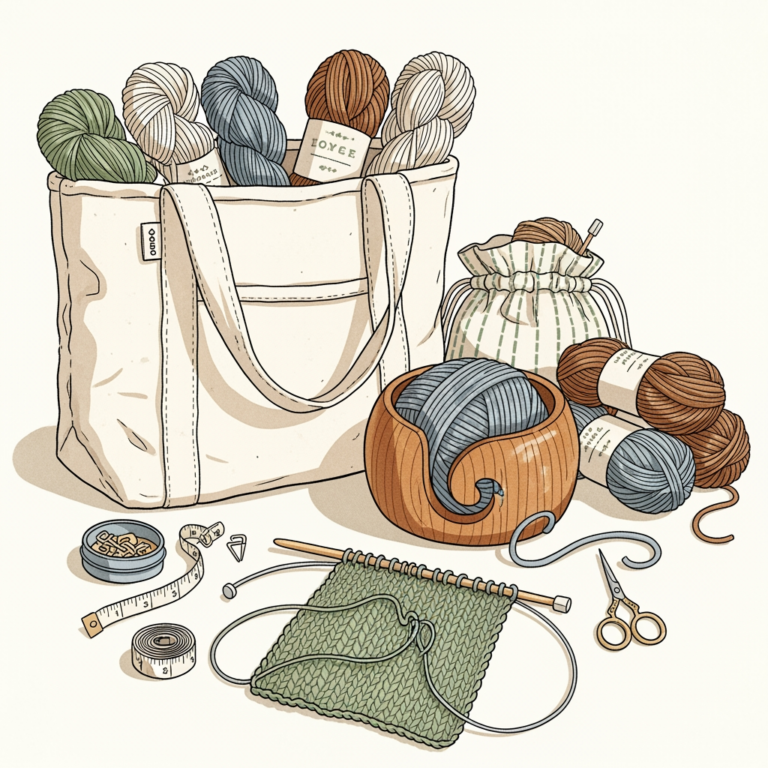
Heading to a knitting retreat is an exhilarating prospect, but it often brings the challenge of choosing which tools earn a spot in the project bag. A dedicated design board serves as the command center for organizing stranded colorwork charts, tracking complex lace repeats, or simply keeping notions within reach. Selecting the right board requires balancing portability with the functional needs of the project. These six options offer varied solutions for makers who refuse to compromise on efficiency while away from home.
Cocoknits Maker’s Board: The Ultimate System
The Cocoknits Maker’s Board functions less like a simple mat and more like an entire workstation. Its steel construction allows the entire surface to act as a magnetic workspace, which is indispensable for keeping charts flat and accessible.
This system shines when working on multi-page patterns or colorwork charts that require constant cross-referencing. Because the board folds into a sleek, laptop-like profile, it fits easily into most project totes without taking up valuable luggage space.
However, the weight of the steel construction is a notable tradeoff for those counting every ounce. If a flight or a long commute to a retreat is involved, the heft of this board might outweigh its convenience compared to lighter foam alternatives.
Erin Lane Design Tamer: Most Portable Option
The Design Tamer prioritizes slim, lightweight portability above all else. It is designed to slide into the side pocket of a project bag or sit directly on top of a WIP without adding significant bulk.
This board is ideal for knitters who prioritize minimalism and speed when packing. It functions as a simple, no-nonsense anchor for keeping instructions visible while working on small-scale projects like socks or hats during a commute.
Because it lacks the rigid, heavy-duty magnets of larger systems, it is best suited for straightforward projects. For complex, chart-heavy stranded colorwork where keeping track of stitches is critical, a more robust magnetic system is often a safer choice.
Clover Patchwork Mat: Best Budget-Friendly Pick


The Clover Patchwork Mat offers an accessible entry point for those who need a dedicated space for pinning and organizing motifs without a steep financial investment. Its grid-marked surface is particularly useful for checking the consistency of squares intended for blankets or garments.
The mat is lightweight and flexible, allowing it to be rolled or folded into a bag with ease. This makes it a staple for quilters and knitters who frequently transition between different types of fiber craft projects.
One drawback is the lack of magnetic compatibility. If the goal is to secure metal notions or keep patterns upright, this mat will require supplementary clips or pins. It is a utility tool meant for flat, precise work rather than project management.
Granny’s Block & Go: For Perfect Squares On-the-Go
Granny’s Block & Go provides a specific solution for makers focused on modular construction. This board allows for precise shaping of motifs immediately after they come off the needles, ensuring that joining pieces later is a seamless process.
The board’s design accounts for the typical size variations found in crochet squares or small knitted panels. By pinning pieces as they are finished, the final assembly becomes an exercise in efficiency rather than a battle against distorted tension.
This tool is highly specialized and might be overkill for a retreat focused on circular knitting or garments. If the plan includes assembly work, however, it is the most effective way to ensure professional results before heading home.
The Loome Design Board: Most Versatile Creative Tool
The Loome Design Board appeals to makers who enjoy blending knitting with fiber arts like weaving, tassel-making, or embroidery. Its modular design allows it to adapt to whatever project is on the needles.
Its smaller footprint makes it easy to maneuver in tight spaces, such as a crowded retreat table or a small hotel desk. It is an excellent choice for those who view a retreat as an opportunity to experiment with new techniques or finish small embellishments.
The primary tradeoff is its small surface area. It is not designed to hold a large-format knitting chart or a complex lace pattern. It serves best as an auxiliary tool for finishing work rather than the primary workspace for a large garment.
Knit Picks Blocking Mats: For Blocking At A Retreat
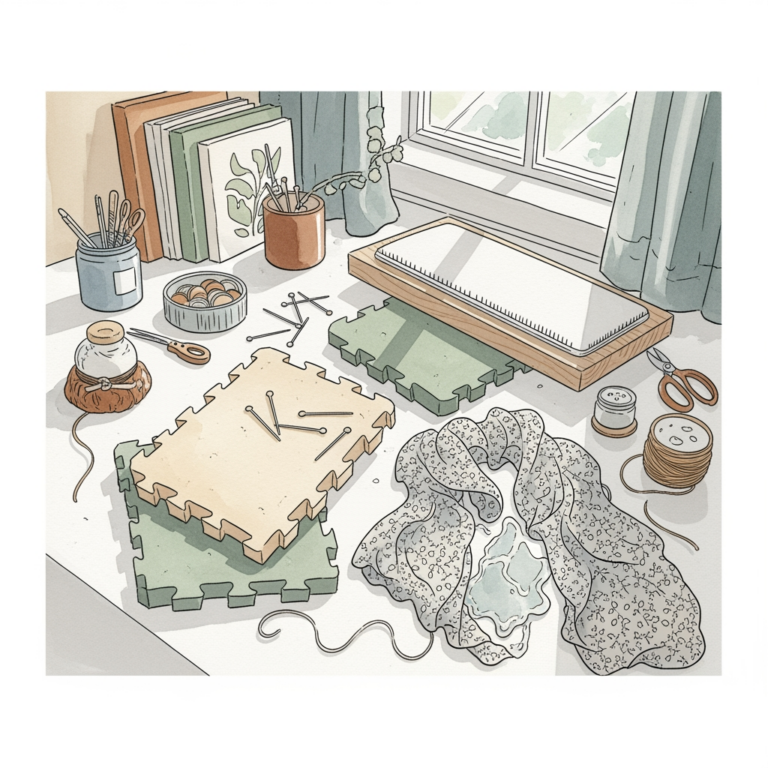
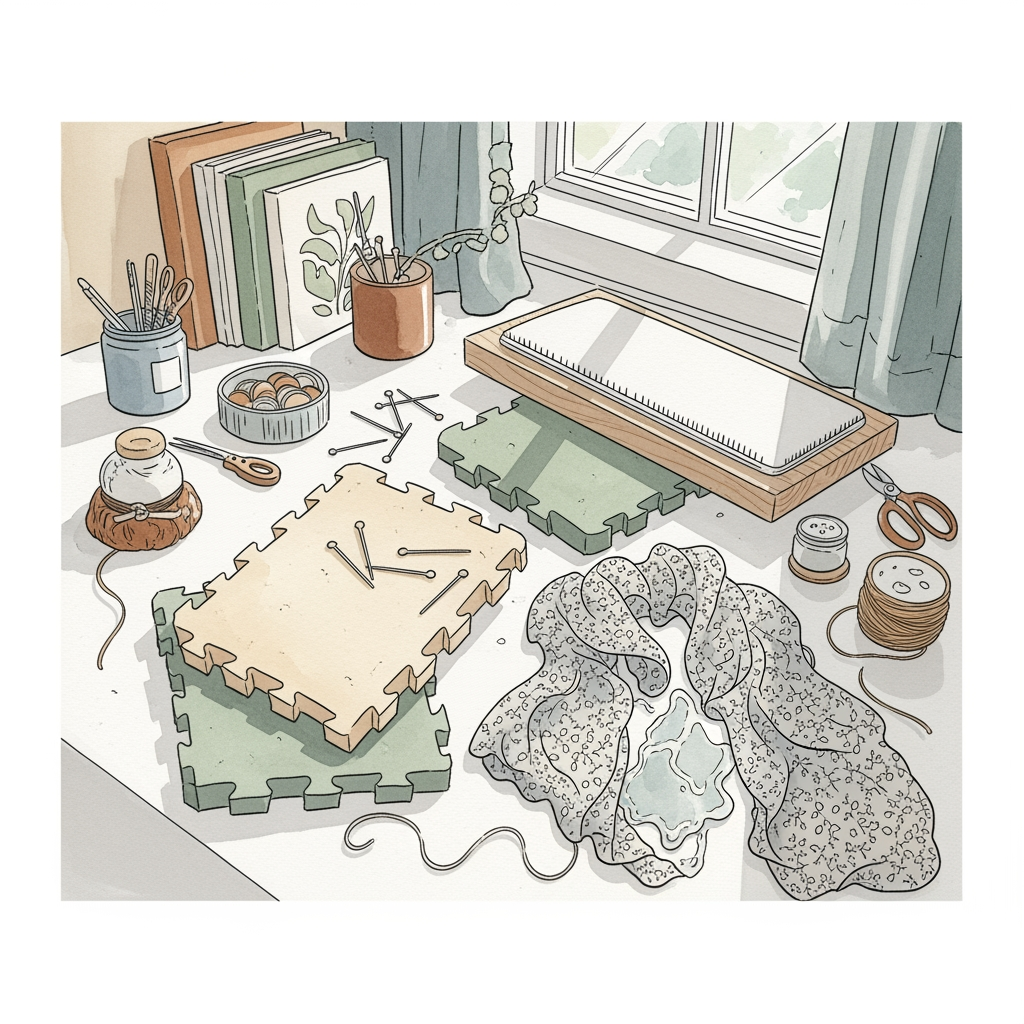
Blocking mats are often overlooked as design tools, yet they are essential for those who want to finish and wear a project before the retreat ends. These mats offer a soft, pierceable surface that holds pins firmly in place.
Because they are interlocking, you can customize the configuration to fit the specific footprint of a garment or a collection of lace motifs. The ability to break them down into individual squares makes them incredibly easy to tuck into a suitcase.
While they lack magnetic features, their utility for wet-blocking at the retreat venue is unmatched. They transform a hotel sink or a temporary table into a professional-grade finishing station.
What Makes a Design Board ‘Retreat-Ready’?
A retreat-ready board must strike a balance between weight and utility. A board that is too heavy becomes a burden, but a board that is too flimsy will not hold the weight of a heavy sweater or a stack of charts.
Look for features that enhance workflow rather than hinder it. A good board should allow for quick setup and breakdown, as retreat schedules often involve moving between workshops, social areas, and private quarters.
Consider the material’s interaction with the specific fiber being used. Natural fibers like wool require consistent, stable surfaces to prevent premature stretching, while synthetic fibers often benefit from boards that allow for firmer, tension-controlled pinning.
Magnetic vs. Fabric vs. Foam: Which Is for You?
Magnetic boards are the gold standard for stranded colorwork and complex lace because they keep charts stationary and secure. They allow for the use of magnetic strips, which are far superior to repositionable tape or clips.
Fabric-covered boards offer a tactile, non-slip surface that is gentle on delicate yarns. They are ideal if the board will be used to hold finished blocks in place, as the friction of the fabric adds a layer of stability.
Foam mats remain the most versatile for blocking. They are lightweight and inexpensive, though they lack the organizational elegance of a dedicated design board. Choose foam if the primary goal is finishing work; choose magnetic if the goal is active chart reading.
How to Pack Your Board for Safe, Easy Travel
To prevent damage, always pack the board against the rigid back of a laptop sleeve or a stiff folder. This prevents the board from bending or snapping when luggage is shifted during transit.
Utilize the surface of the board to house small tools like tapestry needles, stitch markers, or a tape measure during the journey. This keeps essential items from migrating to the bottom of the bag and ensures everything is ready the moment you arrive.
If using a magnetic board, consider placing a thin layer of acid-free paper between the magnets and the surface to prevent scratching during long-distance travel. Keeping the board protected inside its own dedicated sleeve will also shield it from dust and debris.
DIY Design Board Ideas for a Tight Budget
A simple cookie sheet serves as an effective magnetic board for most chart-based projects. Simply pair it with heavy-duty magnets to keep patterns in place while working on complex cables or colorwork.
For a blocking surface, a set of thick foam puzzle mats from a local hardware store can be trimmed to size. They provide the same density as high-end knitting mats for a fraction of the cost, making them disposable if space becomes an issue on the trip home.
If only a small workspace is needed, a piece of corkboard cut to the size of a project bag works perfectly. It is lightweight, inexpensive, and can be easily replaced if it sustains wear over the course of the retreat.
Choosing the right design board is about understanding the pace and complexity of the project at hand. Whether opting for a high-end magnetic system or a practical DIY solution, the focus should remain on maintaining project momentum. A well-organized maker is a productive maker, and having the right tools on hand ensures that the retreat experience is focused on the craft itself rather than the logistics of managing it.