7 Best Detail Liners For Adding Finishing Touches
Elevate your artistry with our expert review of the 7 best detail liners. Find the perfect precision tool for your finishing touches and shop the collection now.
Adding delicate details to a finished knit project can transform a simple piece into a professional-grade heirloom. Whether defining facial features on a stuffed toy or adding subtle geometric patterns to a felted bag, the right marker ensures precision. Poorly chosen tools often lead to fuzzy lines or permanent bleeding into precious fibers. This guide cuts through the noise to identify the best pens for long-lasting, crisp fiber detailing.
Sakura Pigma Micron: Best for Archival Details
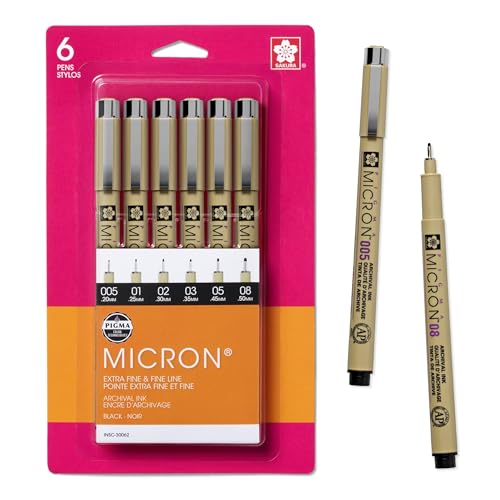

The Sakura Pigma Micron is the gold standard for artists who prioritize permanence and precision above all else. These pens utilize pigment-based ink that is chemically stable, meaning the lines will not fade or shift in color over time. For knitters working on high-contrast projects or delicate amigurumi faces, the ultra-fine tips offer unmatched control.
Because the ink is archival, it excels on natural fibers like cotton or wool that have been tightly felted. Note that the ink flow is relatively dry compared to felt-tip markers, which prevents the “bleeding” effect often seen on porous yarns. If a project requires intricate, hair-thin lines, this tool remains the most reliable option.
Tombow Fudenosuke: Best for Expressive Lines

When the goal is adding calligraphy-style flair or varying the thickness of a line on fabric, the Tombow Fudenosuke is unmatched. Its unique brush tip is firm enough to maintain control but flexible enough to respond to the slightest pressure. This makes it ideal for decorative lettering or organic, vine-like patterns on knit surfaces.
Knitting onto a structured surface requires a steady hand, and the responsiveness of this tip aids that process. The ink is water-resistant once dry, providing a decent level of durability for garments that won’t see heavy wear. It is the perfect choice for makers looking to move beyond simple dots and lines into more artistic embellishments.
Tulip Dual-Tip: Best All-Purpose Fabric Marker
Tulip Dual-Tip markers offer the convenience of having both a fine point for detailing and a broader tip for filling in areas. This versatility is essential for knitters who want to minimize the number of tools cluttering their project bag. The ink is specifically formulated for textiles, ensuring it bonds well with various fiber compositions.
Expect a slightly thicker ink consistency than a standard office pen. This prevents the ink from soaking too deeply into the yarn strands, which is a common problem with lower-quality markers. It serves as a reliable workhorse for those who want a one-stop solution for general fabric decoration.
Copic Multiliner SP: Best Refillable Detail Pen
The Copic Multiliner SP is an investment piece for the dedicated fiber artist. Unlike disposable pens, these feature an aluminum body and replaceable nibs and ink cartridges. This sustainability factor is highly appealing for knitters who produce a large volume of work and want to avoid constant waste.
The archival ink is waterproof and bleed-proof on most surfaces, making it a high-performance choice. The weight of the metal body also provides a balanced feel in the hand, which can help stabilize shaky lines during long detailing sessions. While the initial cost is higher, the long-term utility is superior to any plastic alternative.
Sharpie Rub-A-Dub: Most Durable & Wash-Safe
The Sharpie Rub-A-Dub is specifically engineered to survive the rigors of the laundry cycle. For items like knit socks or heavy-duty bags that require frequent cleaning, this marker is the logical choice. The ink is remarkably permanent, standing up to soaps and agitation that would cause other pens to fade immediately.
While the tip is slightly thicker than precision markers, its durability is unmatched. It is the preferred tool for labeling tags or adding hidden markings to the inside of a garment. Use it when the primary goal is functional longevity rather than fine aesthetic detail.
Pebeo Setaskrib+: Best for Opaque, Bold Color
Pebeo Setaskrib+ markers are essential when working with dark-colored yarns where translucent inks would disappear. These markers lay down an opaque, paint-like layer that sits on top of the fiber. This makes them ideal for creating bold, graphic designs that need to pop against a muted background.
Since the ink is thicker, it requires a light touch to avoid clogging the fibers. It is important to let the ink sit undisturbed until it is completely dry, as the opaque nature of the medium makes it slower to cure. Use this tool to make a bold statement on light-weight cotton or smooth, tight-knit surfaces.
Marvy Uchida: Best Value Dual-Tip Fabric Marker
Marvy Uchida markers offer a balanced performance that satisfies most hobbyist needs without the premium price tag. The dual-tip design provides enough flexibility for both outlining and coloring, making it a staple for those experimenting with yarn art. The ink quality is consistent and resists fading better than generic craft store brands.
These markers are particularly effective on synthetic blends, which can sometimes be difficult for standard inks to adhere to. If a project requires a wide variety of colors without breaking the bank, this is the most practical selection. They provide a solid baseline of quality for beginners and intermediates alike.
How to Pick the Right Liner for Your Fiber Type
Selecting the right pen starts with analyzing the yarn’s composition and texture. Natural fibers like wool and cotton absorb ink differently than synthetics like acrylic or nylon. A highly absorbent fiber, such as a loose-spun merino, will drink up ink and cause spreading, necessitating a drier ink formula.
- Wool: Use fine-tip, pigment-based pens; avoid heavy-flow markers to prevent bleeding.
- Cotton: Performs best with fabric-specific markers that resist the natural absorbency of the fiber.
- Acrylic/Synthetics: These require permanent, solvent-based markers because they do not absorb ink in the same way as natural fibers.
- Felted Surfaces: Look for markers with stiffer, more durable nibs to prevent the fiber from tearing the tip.
Pro Tips to Stop Ink from Bleeding on Your Yarn
The biggest challenge in adding details to knitting is capillary action, where ink travels along the yarn fiber like a wick. To stop this, keep the yarn held taut while applying the ink. Do not press the pen tip firmly against the yarn; instead, lightly drag the nib across the surface so the ink sits on the top fibers rather than saturating the core.
Before working on the final project, always perform a “patch test” on a scrap piece of the exact same yarn. If bleeding occurs, try spraying the area with a light coat of fixative spray or an aerosol hairspray to seal the fibers before applying the ink. This creates a barrier that helps maintain crisp edges.
Heat Setting 101: Making Your Details Last
Most fabric-specific markers require heat setting to fully bond the pigments to the yarn fibers. After the ink has dried completely—typically waiting 24 hours is the safest bet—use an iron on the appropriate setting for the fiber. Place a pressing cloth between the iron and the yarn to prevent scorching the project.
Always use a dry iron, as steam can reactivate some inks and cause them to smear. Applying heat for 3 to 5 minutes creates a permanent bond, ensuring the design won’t wash out during the first cycle. Without this final step, even the most expensive marker will eventually lose its vibrancy after a few trips through the wash.
Choosing the right detail liner is the final act of craft that elevates a hand-knit item into a personalized piece of art. By matching the marker’s ink properties to your specific yarn and applying proper heat-setting techniques, your decorative flourishes will remain vibrant for years to come. Take the time to test your chosen tool, and the result will surely reflect the quality of your hard work.