7 Best Floating Shelves For Craft Room Displays To Try
Organize your workspace with the 7 best floating shelves for craft room displays. Shop our top picks to showcase your supplies and elevate your creative studio.
A stash of hand-dyed wool is not merely inventory; it is a library of potential projects waiting for the right needles and pattern. Transforming a cluttered corner into a curated yarn display requires more than just aesthetics, as weight, sunlight, and reachability play a vital role in fiber longevity. Choosing the right shelving ensures that your alpaca, merino, and linen blends remain visible, organized, and protected from environmental damage. This guide navigates the best shelving solutions to help turn your yarn stash into an inspiring centerpiece.
FORK & PINE Deep Ledge Shelf: For Large Stashes
Deep shelving is essential when dealing with bulky weight yarns or massive sweater quantities that require multiple skeins of the same dye lot. These shelves provide the necessary surface area to stack yarn cakes or hanks without them tipping over or crowding the edges.
Because these ledges are significantly deeper than standard picture rails, they offer stability for those who prefer to keep their yarn in its original packaging or inside protective mesh bags. This prevents the fibers from becoming tangled or crushed, which is particularly important for delicate, high-twist luxury yarns.
The primary tradeoff is the physical footprint on the wall, as these can feel imposing in small sewing or knitting rooms. If you have a massive inventory, prioritize the depth of these shelves to keep your stash accessible, even if it means sacrificing some visual lightness in the room.
IKEA LACK Wall Shelf: Best Budget Minimalist Pick


Minimalism is a virtue when the yarn itself provides the vibrant color palette for the room. The LACK shelf is a classic for a reason, offering a clean, hidden-bracket design that makes your yarn appear as though it is floating against the wall.
These shelves are ideal for showcasing finished swatches or a curated selection of needles and notions. For those with a limited budget, these offer the best cost-to-aesthetic ratio, allowing more funds to be directed toward high-quality fiber purchases rather than storage furniture.
Be mindful that these are typically hollow-core construction, which limits their weight-bearing capacity. Do not attempt to store an entire stash of heavy wool or cotton cones on these, as the shelf may sag over time, potentially pulling away from the drywall.
Crate & Barrel Picture Ledge: For Skein Displays
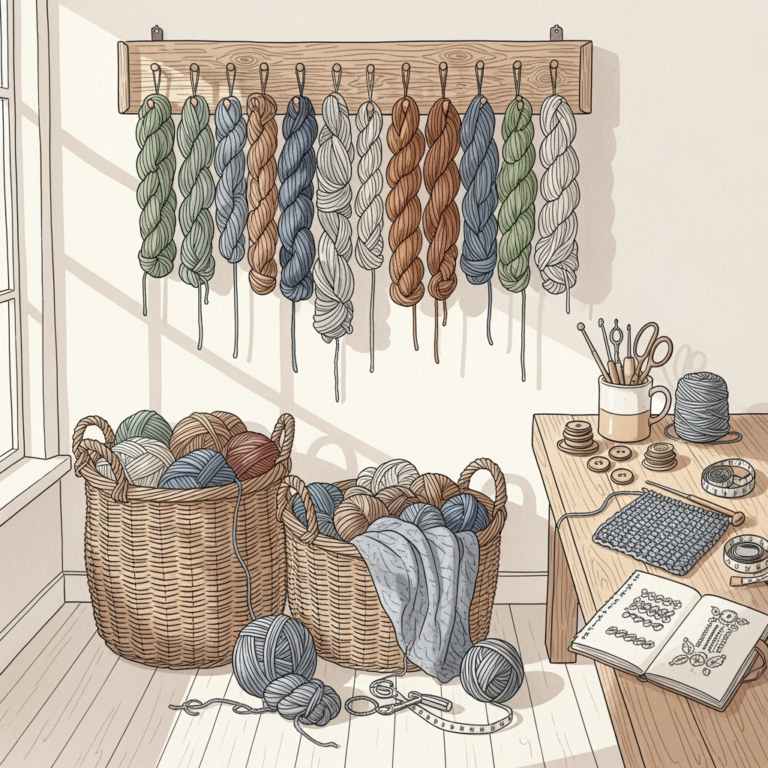
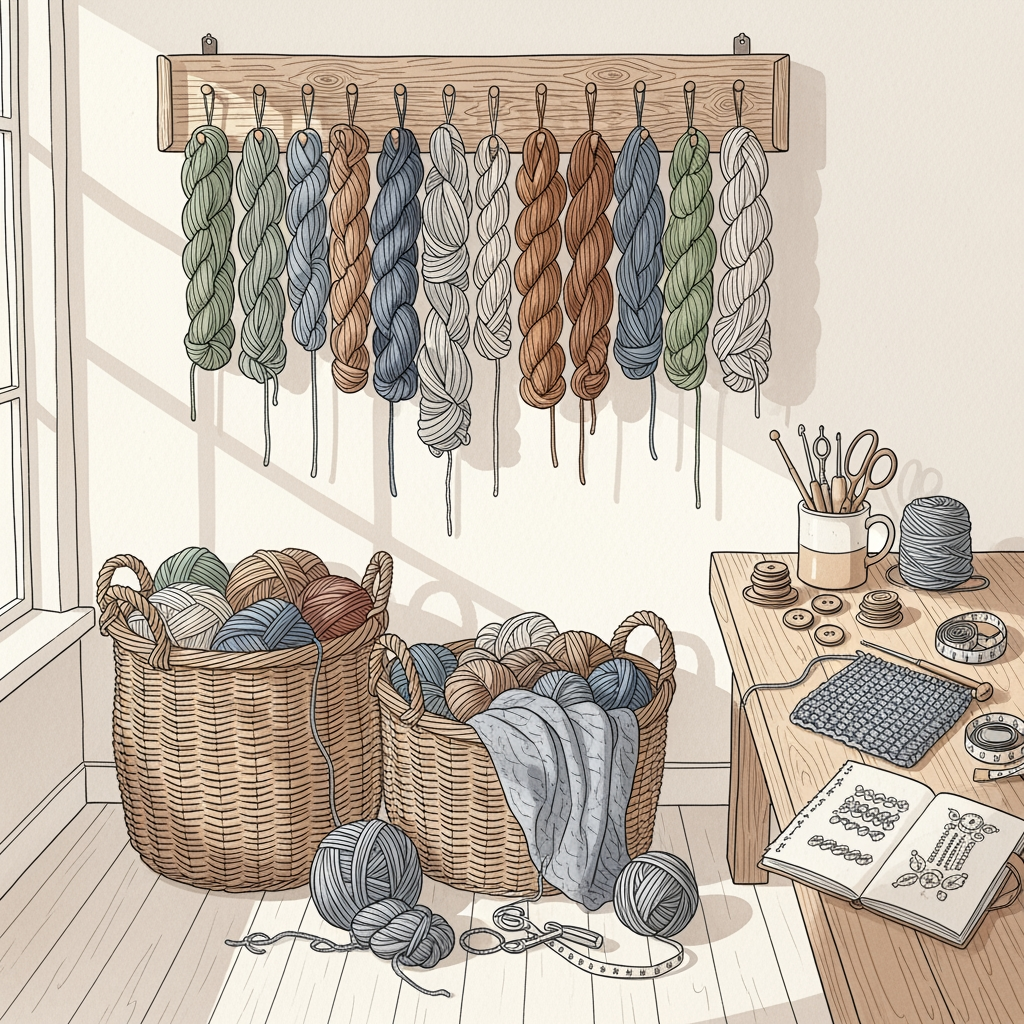
Picture ledges are specifically designed with a small lip, which is perfect for preventing round skeins or balls of yarn from rolling off the edge. This feature turns a shelf into a functional display rack, keeping your most beautiful hand-dyed colorways front and center.
Using a ledge allows you to view the label and fiber content easily, which is helpful when you are scanning your stash for a specific weight for your next project. It invites the knitter to engage with their stash, treating each skein as an art piece rather than hidden inventory.
Because these ledges are narrow, they are not intended for deep stacking. Use these strictly for the “top-tier” stash—the yarns reserved for special projects or the skeins you simply can’t bear to keep in a dark bin.
Pottery Barn Holman Ledge: Best Rustic Wood Shelf
A solid wood ledge brings warmth to a craft room, especially when paired with natural animal fibers like wool or mohair. These shelves often feature better hardware support than budget alternatives, making them a reliable choice for heavier items.
The finish on these shelves is generally more durable and less prone to scratching than laminate options. This durability matters if you are constantly rotating your yarn stash or moving knitting tools around the shelf surface.
The cost is significantly higher, but the investment is reflected in the weight capacity and longevity. Choose these if your craft room serves as a shared living space where aesthetics are just as important as storage utility.
The Container Store Elfa Shelf: Most Customizable
Customization is the gold standard for a dedicated craft room where project needs change from month to month. The Elfa system allows you to adjust shelf heights as your stash grows or shrinks, or as your focus shifts from knitting socks to bulky-weight blankets.
This is the most functional choice for a serious fiber artist because it can incorporate hanging rods or drawers alongside open shelves. You can easily store your needle cases, circular needle organizers, and project bags in one unified vertical system.
Installation requires a track system, which means it is less of a “floating” look and more of an industrial storage solution. If you prioritize utility and flexibility over a seamless, minimalist aesthetic, this is the superior choice.
West Elm Sculptural Shelf: Modern & Decorative
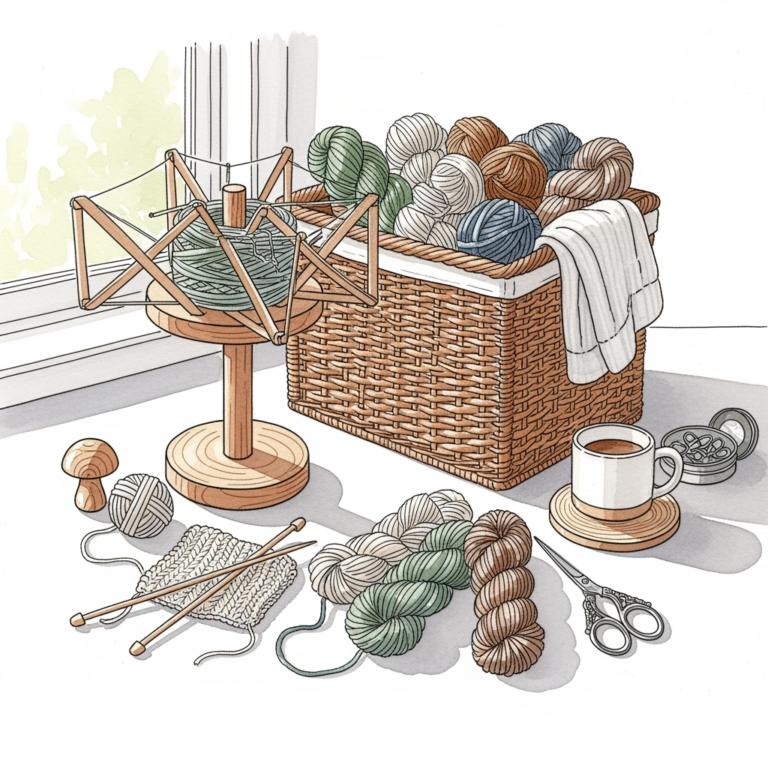
Decorative shelves are intended for the “showcase” items in your craft room, such as antique yarn winders, specialized swifts, or your favorite finished heirloom shawls. They provide a high-end look that elevates the entire workspace.
These shelves often feature unique shapes or finishes that can serve as a focal point. Use these to display your most prized knitting books, patterns, or tools that are too beautiful to be hidden in a drawer.
These are rarely suitable for storing a high volume of yarn, as the design often interferes with flat, stable stacking. Balance your storage needs by pairing these decorative pieces with more utilitarian shelving elsewhere in the room.
Greenco 5-Tier Corner Shelf: For Awkward Spaces
Corner spaces are frequently wasted in small craft rooms, yet they provide excellent structural stability for heavy loads. A 5-tier corner unit effectively utilizes that dead space to store your yarn overflow.
This is an excellent way to organize yarn by weight or fiber type, with each shelf level dedicated to a different category. It keeps your stash accessible without requiring long, unbroken stretches of wall space.
Be aware that these units can be difficult to access at the very back of the corner. Rotate your stash seasonally, keeping your current season’s fibers toward the front to ensure everything gets used eventually.
How to Safely Install Shelves for Your Yarn Stash
Safety begins with finding the wall studs, as yarn is deceptively heavy once you accumulate a significant quantity. Always use a stud finder and ensure the shelf brackets are screwed directly into the wooden frame of the wall.
Drywall anchors are rarely sufficient for a full-length shelf packed with wool. If you cannot align the shelf with your studs, consider installing a wooden header board first and then mounting the shelves to that board.
Check the weight capacity provided by the manufacturer against the weight of your intended stash. Remember that a full shelf of dense cotton or wool yarn can exceed 20 pounds quite easily, especially if the shelf depth is significant.
Styling Your Shelves: A Knitter’s Display Guide
Organizing by color is the most popular method, creating a visual gradient that mimics a yarn store environment. This approach is highly effective for inspiring colorwork combinations or finding the right contrast for a new project.
Alternatively, organize by fiber type or weight, placing your lace-weight yarns on one shelf and your worsted-weight workhorses on another. This practical approach helps you quickly narrow down your options when you have a specific pattern and gauge in mind.
Use open-top baskets on your shelves to contain smaller items like partial balls or stitch markers. This keeps your shelves looking tidy while ensuring that your small bits and bobs are still within reach for quick, spontaneous adjustments to your knitting.
Choosing a Shelf: Weight Capacity & Material Guide
When evaluating a shelf, prioritize solid wood or high-quality composite over thin plastic or lightweight hollow board. The density of the material directly correlates to how much load it can bear without bowing in the center.
Consider the surface finish carefully; untreated or rough wood can snag delicate lace yarns or mohair blends. Opt for smooth, sealed finishes that allow yarn to be slid on and off without risk of catching on a splinter.
Finally, always consider the shelf’s proximity to light sources. Even the best shelving choice will not protect your stash if it is placed in direct, harsh sunlight, which can fade hand-dyed yarns and weaken natural fibers over time.
By selecting the right shelving, you transform your craft room into a functional studio that protects your investment and inspires your next cast-on. Carefully matching the shelf type to your storage volume and aesthetic goals ensures that your yarn remains a source of joy for years to come.