6 Best Shoe Trees For Slipper Shape Retention
Keep your favorite footwear looking like new with our top 6 picks for the best shoe trees for slipper shape retention. Protect your investment and shop now.
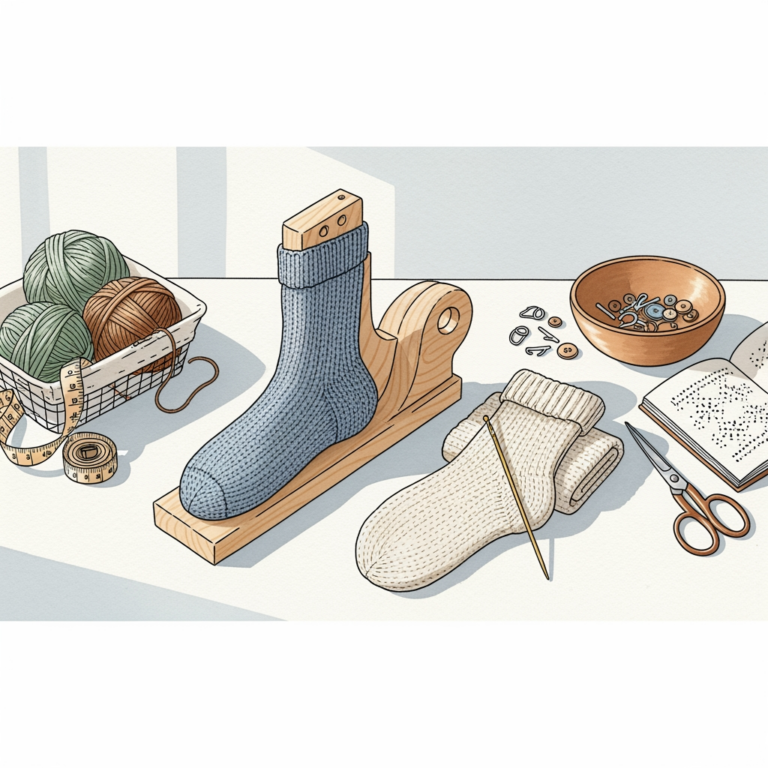
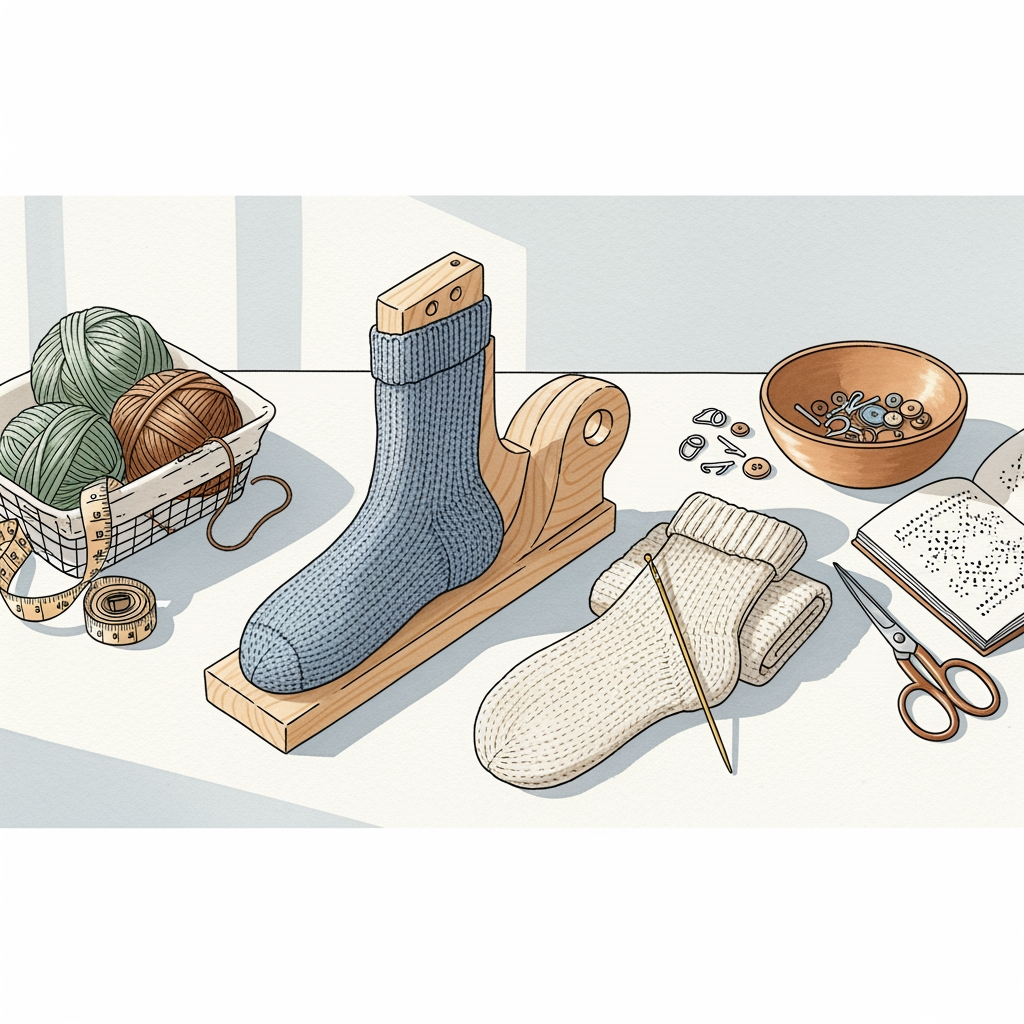
Hand-knitted slippers are a labor of love, requiring hours of meticulous stitching and careful finishing. Without proper support, however, the structure of these projects often collapses into a shapeless heap after just a few wears. Choosing the right shoe tree preserves the intended silhouette and ensures the delicate fiber tension remains consistent. These tools serve as the final stage of the blocking process, keeping projects looking store-bought rather than bedraggled.
Famaco Foam Shapers: Best for Hand-Knit Slippers
Foam shapers are a gentle alternative to rigid wooden trees, making them ideal for delicate hand-knit constructions. Because they lack the heavy mechanical pressure of metal springs, they won’t inadvertently stretch out loose-gauge stitches or distort intricate cable patterns.
These inserts excel at maintaining the toe box shape in slippers made from soft wool or acrylic blends. They provide enough tension to smooth out the fabric without forcing the yarn beyond its natural recovery point.
For those who use delicate mohair or soft alpaca, these are the safest choice. The foam won’t snag or pull at the fiber, which is a common hazard with rough-hewn wood or metal hardware.
HOUNDSBAY Cedar Trees: For Sturdy Felted Slippers


Felted slippers require a firm internal structure to counteract the natural “memory” of the wool fibers. Because fulling—the process of shrinking wool through agitation—creates a dense, heavy fabric, these slippers benefit from the high-tension support of aromatic cedar.
The wood is rigid and unyielding, effectively fighting off the sagging that occurs in the heel area of heavier projects. Additionally, the porous nature of cedar is excellent at absorbing residual moisture if the slippers were worn on damp surfaces.
Cedar also imparts a pleasant, earthy scent, which is particularly useful for wool projects that retain odors over time. Just ensure the wood is smooth to avoid catching any stray fibers on the surface of the felt.
B&E LIFE Adjustable Trees: Our Top All-Around Pick
Adjustable plastic or resin trees offer the most versatility for a varied collection of knitwear. Because these can be cranked to fit the exact length and width of a specific project, they are the best investment for a knitter who makes slippers in different sizes and gauges.
The precision control allows for a custom fit that mirrors the dimensions of the human foot without overstretching the fabric. This is critical for slippers worked in a standard stockinette stitch, which can easily lose its shape if forced too wide by a static tree.
Look for models with a vented design to allow for maximum airflow. Proper circulation ensures that the interior of the slipper stays fresh, preventing the buildup of trapped moisture that can damage long-term fiber integrity.
FootFitter Spiral Spring: A Classic Budget Option
Spiral spring trees are a traditional choice that relies on a simple coil mechanism to maintain pressure. They are compact, lightweight, and effective at keeping the slipper’s upper from collapsing inward during storage.
These trees are best suited for simpler projects where high-precision shaping isn’t the primary goal. They offer enough structure to prevent permanent creasing in the instep area, which is where most slippers lose their structural definition first.
While they are budget-friendly, the spring mechanism can be quite firm. Use caution with delicate lace-weight or hand-dyed yarns that may have a more sensitive structural tension.
The Original Shoe Tree Co: Lightweight Travel Pick
Travel-friendly trees prioritize portability without sacrificing the essential function of shape retention. These are perfect for knitters who take their comfort footwear on the road and want to ensure their slippers emerge from a suitcase looking pristine.
Lighter materials like high-grade plastic or treated lightweight wood are the standard here. They provide just enough tension to prevent the heel and toe from being crushed during transit.
When choosing a travel tree, consider the thickness of the structure. A thinner profile is easier to pack but may not hold the shape as well as a more substantial, contoured model.
IKEA OMVÄXLANDE Shoe Tree: The Most Accessible Buy
An accessible entry point for maintaining footwear, this option provides a basic, functional shape that works for the majority of slipper patterns. These are an excellent choice for the knitter who wants to protect their work without a significant financial investment.
They perform best with durable, machine-washable yarns like cotton or superwash wool. These fibers are more resilient to the firm pressure of standard trees and benefit from the consistent support during off-season storage.
While they may not offer the precision of high-end adjustable models, their simplicity is an asset. They are easy to insert and remove, encouraging consistent use every time the slippers are put away.
How to Pick a Tree for Your Slipper’s Material
The choice of tree must be dictated by the behavior of the yarn. Highly elastic fibers, such as those with a high wool content, respond well to moderate pressure, while rigid plant fibers like cotton or linen may require a more tailored fit to prevent distortion.
- Wool/Animal Fibers: These fibers have excellent memory and require a tree that maintains a gentle, consistent shape without over-stretching the stitches.
- Plant-Based Fibers (Cotton/Linen): These lack elasticity and are prone to sagging. Opt for a firm, well-fitted tree to keep them from losing their structure permanently.
- Synthetics: Often more heat-sensitive, these benefit from trees that allow for maximum airflow to prevent moisture buildup.
Cedar vs. Plastic: Which Is Best for Your Knits?
The debate between cedar and plastic often comes down to moisture management versus cost. Cedar is superior for wicking moisture, which is vital for wool slippers that have been worn all day and have absorbed sweat.
Plastic is the more neutral, lower-maintenance choice. It is non-porous, meaning it will not hold onto odors or oils, and it is significantly easier to sanitize if the slippers are worn without socks.
Avoid unfinished cedar if the slippers are knit with light-colored, delicate yarns, as the natural oils in the wood can occasionally cause staining. Always prioritize a smooth finish to prevent snagging on the yarn’s ply.
Getting the Perfect Fit for Your Slipper’s Shape
A shoe tree that is too large will distort the stitch pattern and eventually ruin the fabric. A tree that is too small offers no benefit, allowing the slipper to collapse into its own weight.
When fitting a tree, check that the toe box isn’t being pushed out of its rounded or tapered shape. The heel should be held firmly against the back of the slipper, but there should not be excessive tension pulling the instep taut.
If the slipper feels “tight” when inserting the tree, the tree is likely too large for that particular project. Adjust the length until the tree slips in with firm, but easy, resistance.
Using Trees to Dry and Deodorize Your Slippers
Shoe trees are an essential tool for the final blocking stage after a hand-wash. Inserting a tree while the slipper is damp helps the fabric dry in the desired shape, effectively locking in the dimensions of the project.
For deodorizing, cedar is the industry standard. The wood naturally absorbs moisture and neutralizes the mild odors associated with regular slipper use.
To keep the cedar effective, lightly sand the wood every few months to reveal a fresh layer of the aromatic surface. If using plastic, allow the slippers to air dry completely before inserting the tree to ensure no moisture is trapped inside.
Investing in proper shoe trees is the most effective way to protect the integrity of a knitting project long after the needles are put away. By matching the tool to the fiber and the structural needs of the slipper, the lifespan of the work is significantly extended. Regular use of these simple tools ensures that every handmade pair remains as comfortable and shapely as the day it was cast off.