6 Best Heavy Duty Salves For Yarn Friction To Try
Stop yarn friction from slowing down your knitting. Discover our top 6 heavy duty salves to soothe your skin and keep your crafting sessions comfortable today.
Constant friction between yarn and skin is the silent enemy of a productive knitting session. Dry, cracked fingertips snag delicate luxury fibers like mohair and alpaca, leading to unwanted pilling and frayed yarn ends. Finding the right barrier salve protects both the delicate skin of the hands and the integrity of the project being worked. Maintaining soft, supple skin ensures a smooth glide as yarn travels across fingers during long hours of colorwork or cable knitting.
O’Keeffe’s Working Hands: The Ultimate Workhorse


O’Keeffe’s is a heavy-duty, non-greasy option designed for extreme cases of dry, cracked skin. Its high concentration of glycerin draws moisture into the skin, making it ideal for knitters who work in dry, climate-controlled environments that zap natural oils.
Because it absorbs quickly, it is the perfect choice for those who need to jump straight back into a complex lace project without the risk of leaving oily residue on delicate fibers. The formula creates a protective barrier that prevents the skin from snagging on high-twist wools or sticky plant-based fibers like cotton and linen.
Bottom line: Choose this if rapid absorption and long-lasting barrier protection are the top priorities.
Burt’s Bees Hand Salve: The Best Natural Formula

Burt’s Bees relies on a blend of sweet almond oil, olive oil, and vitamin E to provide deep nourishment to tired hands. This salve offers a thicker, more tactile consistency that feels substantial during application.
The botanical scent is pleasant but fades quickly, ensuring it does not become overwhelming during marathon knitting sessions. It is particularly effective for those who notice their skin becoming tight and irritated after working with highly processed superwash yarns, which can sometimes strip natural moisture from the fingers.
Bottom line: Use this salve when skin needs botanical nourishment and a soothing, natural treatment.
Badger Balm for Hardworking Hands: Best Organic Pick
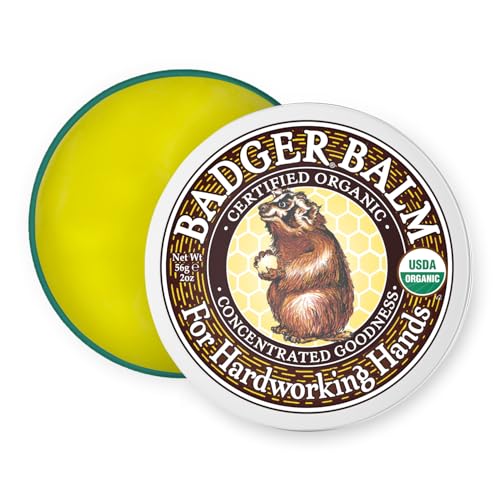
Badger Balm is famous for its simple, organic ingredient list, centering on extra virgin olive oil and beeswax. This combination provides a long-lasting, waxy seal that protects skin from the abrasive nature of rustic, high-micron wools.
The texture is quite firm, requiring a moment of warming between the palms to melt before application. This ritual is a great way to prepare hands for a long session of repetitive movements, ensuring joints are warm and skin is shielded from friction.
Bottom line: It is the ideal choice for those who prefer clean, organic ingredients and a protective, wax-based barrier.
Pure Lanolin: The Fiber Artist’s Secret Weapon

Pure, medical-grade lanolin is perhaps the most authentic tool a knitter can use, given its historical connection to sheep’s wool. Because it is naturally derived from the very fiber being knitted, it is arguably the most compatible substance for fiber arts.
Lanolin is remarkably thick and creates an intense, occlusive seal that is unmatched for healing deep cracks or painful hangnails. However, it is quite sticky and requires careful application to avoid transferring heavy residue onto the yarn.
Bottom line: Reach for pure lanolin when skin is severely damaged and needs intensive, fiber-compatible healing.
Bag Balm: A Time-Tested Intensive Repair Salve

Originally formulated for bovine use, Bag Balm has become a cult classic among knitters for its ability to heal severely compromised skin overnight. It contains 8-hydroxyquinoline sulfate, which provides antiseptic properties alongside its deep moisturizing base.
The medicinal scent is distinct and quite strong, which may be off-putting to some. Its heavy, ointment-like texture makes it best suited for overnight treatments rather than applying mid-project.
Bottom line: Apply this at the end of the day to repair skin damage caused by working with harsh or highly abrasive fibers.
Eucalan Lanolin Cream: Made for Wool Lovers

Eucalan is a brand synonymous with wool care, and their hand cream is specifically engineered for those who spend their lives handling animal fibers. It features a high concentration of lanolin but is formulated to be less “tacky” than pure, raw versions.
It absorbs well while still providing the moisture-locking benefits of lanolin, which is crucial when handling natural wools that have been treated for machine washing. It serves as a bridge between a standard moisturizer and a heavy repair balm.
Bottom line: This is the definitive choice for the dedicated wool-knitter who wants a specialized product that respects fiber chemistry.
How to Choose a Knitter-Friendly Hand Salve
Selecting the right salve depends heavily on the specific project and the state of the skin. If the hands are prone to catching on fine silk or lace-weight yarns, choose a balm with a high beeswax content for a smooth, matte finish.
If the skin is prone to cracking due to seasonal weather, prioritize intensive moisturizers that contain humectants like glycerin. Always consider the “tackiness” of the product; a salve that is too greasy will eventually find its way into the fibers, potentially altering the drape or texture of the finished fabric.
- For lace/fine fibers: Choose a matte, wax-heavy balm.
- For rustic/woolen yarns: Use a heavier, oil-based salve to prevent friction.
- For overnight repair: Opt for the thickest, most medicinal ointments.
Applying Salve Without Staining Your Project
Proper application is the secret to keeping projects pristine while maintaining skin health. Apply the salve at least fifteen minutes before picking up the needles, allowing the product to fully absorb into the pores of the skin.
If the hands still feel slick, lightly blot the fingertips with a clean cotton towel before handling light-colored or delicate yarns. This simple step removes the excess surface grease that could attract dirt or cause premature darkening of the fiber.
Bottom line: Patience during the absorption phase is the best way to prevent accidental fiber contamination.
Key Ingredients: Lanolin vs. Beeswax vs. Shea
Lanolin is a natural wool wax that is chemically similar to human skin oils, making it the most compatible ingredient for fiber handling. Beeswax provides a physical shield, creating a smooth surface that allows yarn to glide effortlessly over the skin without snagging.
Shea butter offers deep penetration and high vitamin content, which is excellent for long-term skin health. While lanolin and beeswax are better for surface protection, shea butter is superior for soothing deep, structural dryness.
- Lanolin: Best for moisture and wool-fiber compatibility.
- Beeswax: Best for creating a friction-free surface glide.
- Shea: Best for deep, long-term skin hydration.
Salves for Friction: Your Questions Answered
Many knitters worry that using hand salves will ruin their yarn, but this only happens with improper application or excessive use. When used sparingly, the natural oils in a salve actually mimic the natural lanolin found in unwashed wool, which can keep fingers supple.
Others wonder if these salves will affect blocking outcomes; while a tiny amount on the fingertips is rarely an issue, it is always best to let the hands dry completely. If there is concern about residue, remember that a standard soak in wool wash during the blocking process will easily remove any incidental contact.
Bottom line: Used with intention, hand salves are essential tools for every knitter’s kit, not a threat to the quality of the work.
Finding the right balance between skin health and fiber protection is a journey that every knitter eventually takes. By matching the right salve to the specific demands of the project, the process becomes as comfortable as the finished fabric. Invest in quality care for your hands, and your projects will certainly reward you with a cleaner, more professional finish.