6 Best Darning Needles For Glove Repair Worth Having
Restore your favorite pair with these 6 best darning needles for glove repair. Choose the perfect tool for your project and start mending your gear today.
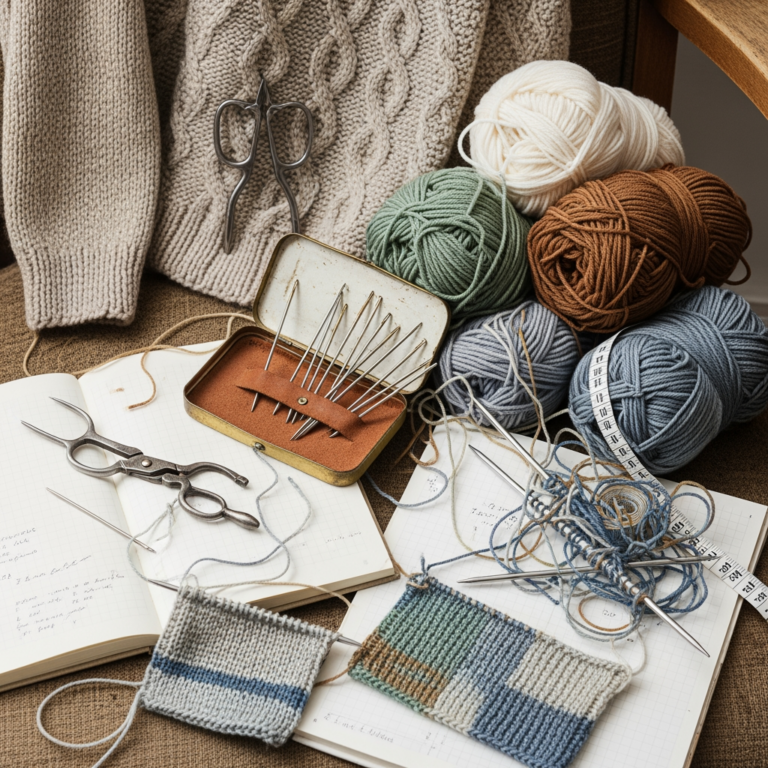
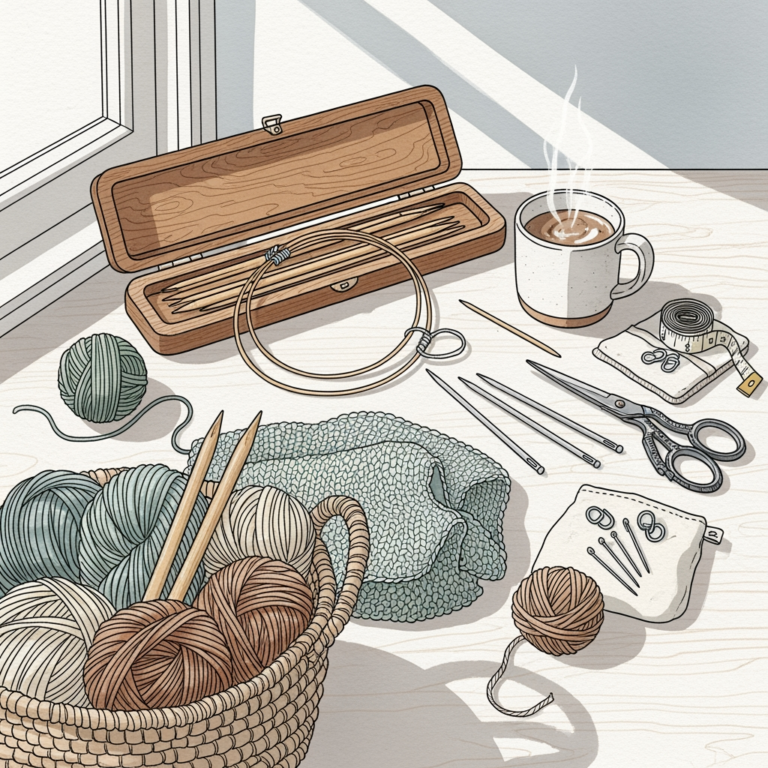
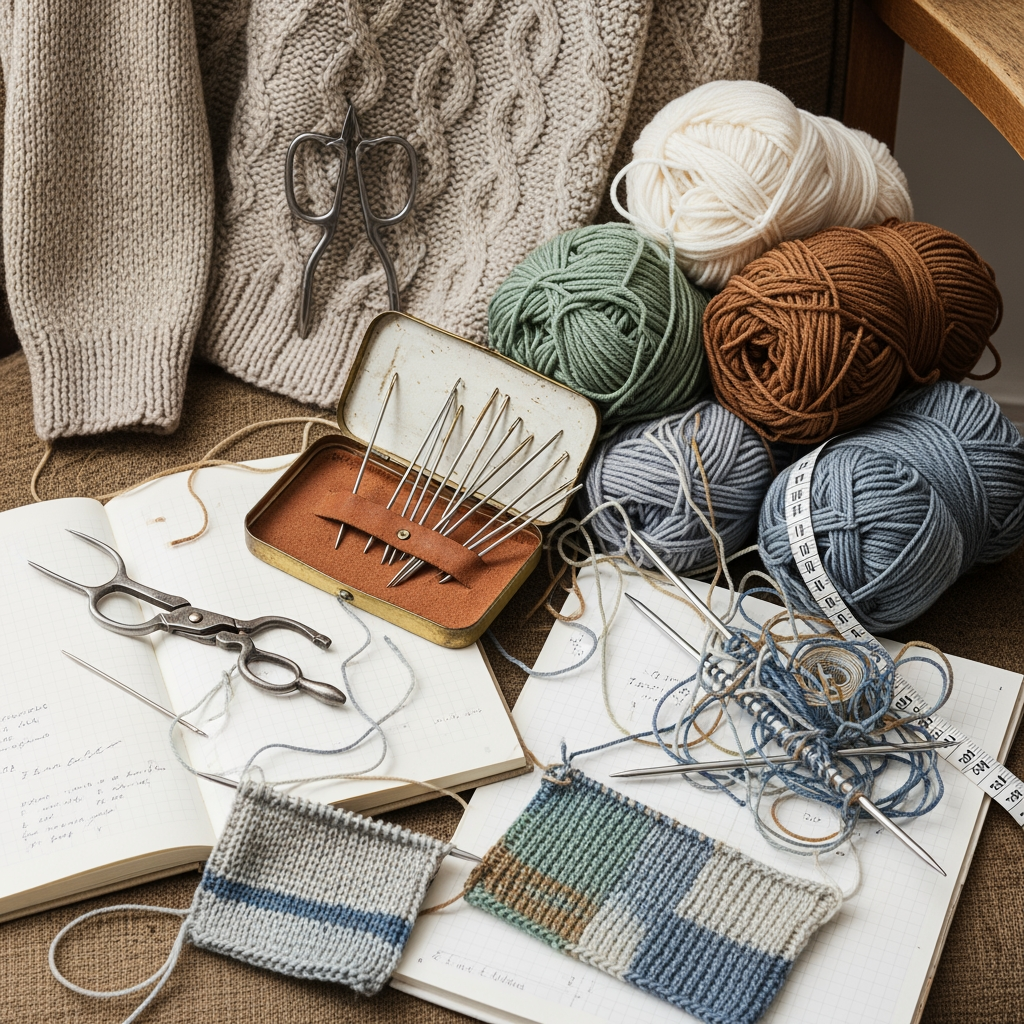
Gloves are among the most high-wear items in any knitter’s wardrobe, subjected to constant friction at the fingertips and palms. Repairing these small, intricate garments requires precision tools that can navigate tight spaces without splitting delicate plies of yarn. Investing in the right darning needle transforms a daunting mending task into a satisfying, near-invisible restoration. These six tools represent the gold standard for maintaining the longevity of hand-knit accessories.
Clover Chibi Bent Tip Needle Set: Best for Grafts


The Clover Chibi set features a distinct bent tip that acts as a hook, making it significantly easier to pick up live stitches or weave in ends through dense fabric. The gentle curve allows the needle to slide underneath tight stitch loops without piercing the surrounding fibers.
These needles are particularly useful when grafting fingers on gloves or closing small holes in the gusset area. The smooth, rounded tip avoids snagging, which is essential when working with delicate mohair or high-twist wool blends.
This set comes in a convenient, portable carry case that keeps the various sizes organized. It remains a top-tier choice for those who frequently work on projects requiring complex finishing work.
Susan Bates Steel Yarn Needles: Top Budget Choice

Susan Bates steel needles are a reliable, no-nonsense staple found in nearly every well-stocked craft drawer. Their rigid, polished steel construction ensures they remain straight even after years of use on heavier, worsted-weight gloves.
While these needles lack the specialized bells and whistles of high-end options, their simplicity is their greatest strength. The large eyes accommodate most standard yarn weights, making them versatile for everything from light sock wool to heavy mittens.
If the goal is purely functional mending without extra cost, these are the best value. Their durability ensures that a single purchase will last for countless repairs.
John James Tapestry Needles: The Crafter’s Classic
John James is a legendary name in needle manufacturing, and their tapestry needles are prized for their exceptional finish and perfectly shaped eyes. The metal is smooth enough to glide through tight, high-gauge fabrics without resistance.
The blunt point is specifically engineered to part stitches rather than pierce them, which is critical for preserving the integrity of the original knitting. When working on intricate cable patterns or small-gauge glove fingers, this precision is unmatched.
Many knitters find that the slightly longer body of these needles provides better control during long grafting sessions. They are an essential tool for those who prioritize traditional quality and long-term consistency.
KnitPicks Bent Tip Needles: For Hard-to-Reach Fixes

KnitPicks needles offer an ergonomic advantage for anyone who finds maneuvering a straight needle in tight glove fingers frustrating. The precise angle of the tip allows for a more natural hand position, reducing strain during detailed repairs.
These needles are exceptionally helpful when working inside the narrow, tube-like structure of a finger. By angling the needle upward, the risk of accidentally catching the opposite wall of the knitting is greatly minimized.
The finish is slick, ensuring that even grabby fibers like untreated wool pass through the eye with minimal friction. For the knitter who frequently finds their hands cramping during mending, these are a significant comfort upgrade.
Lykke Handcrafted Darning Needles: A Stylish Set
Lykke is synonymous with aesthetics, and their darning needles are no exception, often featuring a beautiful, polished finish that feels luxurious in the hand. Beyond their appearance, these needles are exceptionally smooth, preventing the breakage often associated with cheaper, rougher metal needles.
The set provides a range of sizes that cater to different yarn weights, from delicate lace to sturdy aran-weight wool. This versatility makes them a great “one and done” purchase for knitters who work with a diverse stash of fibers.
While they are a premium investment, their quality and tactile pleasure make the mending process feel like a mindful ritual rather than a chore. They are ideal for the knitter who appreciates tools that are as beautiful as the projects they maintain.
Cocoknits Stitch Fixer: For Snags and Quick Mends

The Cocoknits Stitch Fixer is a dual-ended tool designed specifically for the urgent repair of snagged threads and dropped stitches. It combines a small latch hook with a darning needle, allowing the knitter to fix a pull in a glove in seconds without re-knitting the entire section.
This tool is the ultimate “emergency kit” inclusion for those who wear their hand-knits daily. It addresses the common reality of snagged jewelry or rough surfaces tearing a small loop of yarn.
Rather than trying to weave a long tail, the Stitch Fixer allows you to work a dropped stitch back into place seamlessly. It is an indispensable item for any knitter’s knitting bag.
How to Pick a Darning Needle for Your Glove’s Yarn
Selecting the right needle size involves matching the gauge of the needle to the diameter of your yarn. If you are using a thick wool, a needle with a small eye will cause the yarn to fray or snap as it passes through the hole.
Conversely, using a needle that is too thick for your glove’s fabric will stretch the stitches and potentially leave permanent holes. As a rule of thumb, the needle should be thin enough to glide through the fabric but have an eye large enough that the yarn does not require aggressive tugging to thread.
Consider the fiber content as well; slippery yarns like alpaca or silk require a slightly more blunt tip to avoid splitting. Grabbier, rustic wools benefit from a slicker finish that helps the yarn move through the dense structure.
Straight vs. Bent Tip Needles: Which Do You Need?
Straight needles are the standard for most flat mending tasks, such as weaving in ends on a sweater or a flat scarf. They offer a direct, intuitive feel that is perfect for straightforward, visible darning where precision is dictated by the eye.
Bent tip needles excel in circular knitting, such as the fingers and thumbs of gloves. The curve allows the tip to exit the fabric without needing to bend the glove structure itself.
Choosing between the two depends on the curvature of your project. If you are frequently working in tight, round spaces, the bent tip will almost always prove superior in ergonomics and safety.
Metal, Wood, or Plastic? A Darning Needle Guide
Metal needles are the industry standard for durability and are generally the slickest option, allowing for the easiest passage through fabric. Stainless steel and nickel-plated options resist corrosion and maintain their shape over years of heavy use.
Wood or bamboo needles offer a bit more grip, which can be helpful if you are working with slippery, high-sheen synthetic yarns that tend to unthread from the needle. However, they are more prone to snapping if a high degree of tension is applied during thick yarn darning.
Plastic needles are rarely recommended for fine gauge repair due to their thickness, which can damage delicate knitting. They are best reserved for thick, bulky yarns or for teaching children the basics of tapestry work.
Mastering the Duplicate Stitch for Invisible Mends
The duplicate stitch is the most professional way to repair holes in glove fingertips. By following the path of the original stitch, you essentially create a new layer of yarn that mimics the knit structure, effectively “re-knitting” the worn area.
Start by securing your yarn on the inside of the work, then trace the “V” shape of the stitch that has worn thin. Pull your yarn through, ensuring you don’t tighten the stitch so much that it causes the surrounding fabric to pucker.
This technique is most effective when done with a matching yarn of the same weight and ply. With a little practice, your repairs will become indistinguishable from the surrounding knitting, allowing your gloves to last for many seasons to come.
Properly maintaining your hand-knit gloves ensures that your hard work continues to provide warmth for years. By matching the right needle to the fiber and the specific repair challenge, you can achieve professional, durable results at home. Keep your kit updated with these essential tools, and your gloves will withstand the test of time.