7 Best Art Stools For Long Sessions Worth Using
Struggling with discomfort while creating? Discover our 7 best art stools for long sessions to improve your posture and focus. Find your perfect seat today.
Finding the right seating is just as vital as choosing the correct needle size for a complex lace project. Hours spent hunched over an intricate brioche cowl or miles of stockinette can wreak havoc on the spine if the foundation is poor. A dedicated knitting chair must balance mobility, posture support, and long-term comfort. This guide explores seven stools that elevate the crafting experience by turning grueling sessions into sustainable, pain-free labor.
Varier Move Stool: Best for Active Sitting


The Varier Move stool defies traditional seating by encouraging constant, micro-movements. This engagement prevents the static muscle tension that occurs when working on repetitive patterns like stranded colorwork or long-tail cast-ons.
Because the base is rounded, the stool tilts in any direction. This requires the core to remain lightly engaged, which naturally aligns the spine and opens the chest for better breathing while counting stitches.
It is not a chair for mindless lounging, but a tool for focused production. Those who prefer to sit upright while weaving ends or grafting live stitches will find this seat keeps the body alert and the circulation flowing.
Capisco Puls by HÅG: The Ultimate Ergonomic Pick
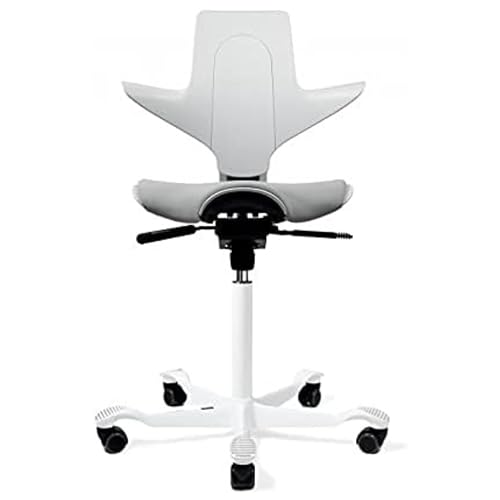
The Capisco Puls is arguably the most versatile seat for a fiber artist who switches between techniques frequently. Its unique saddle shape allows for forward-facing, side-saddle, or even backward seating positions.
When knitting at a desk or table, the forward-saddle position helps maintain the natural curvature of the lower back. This is critical for preventing the slouch that inevitably happens after the third hour of a complex cable chart.
The adjustable backrest offers support exactly where it is needed for the shoulders and neck. If the goal is to prevent the “hunch” that creates tension in the upper trapezius, this chair provides a robust, adjustable solution.
Humanscale Freedom Saddle: Premium Posture Support

Saddle seats are designed to mimic the position of a rider on a horse, which naturally tilts the pelvis forward. This geometry is ideal for those who struggle with lower back pain during long knitting marathons.
The Freedom Saddle excels because it uses a weight-sensitive recline mechanism. It doesn’t require manual adjustments to provide comfort; the chair responds to the sitter’s shifts in weight as they move between a knitting basket and a yarn swift.
While the price point is significant, the investment pays off in the longevity of physical comfort. For the maker who treats knitting as a professional-grade pursuit, this stool offers a level of anatomical support that prevents chronic strain.
Flash Furniture Tractor Stool: Best Budget Comfort
For those starting out or balancing a budget, the Tractor Stool offers an accessible entry point into ergonomic seating. Its molded plastic seat provides a contoured shape that is surprisingly supportive during shorter sessions.
The primary benefit here is the ability to adjust the height to match various table surfaces. Whether working with a tabletop yarn bowl or a floor-based swift, the height control ensures the elbows remain at an optimal angle for minimizing wrist strain.
Be mindful that the plastic material is firmer than padded options. It works best for knitters who take regular breaks to block pieces or wind yarn rather than those who commit to eight-hour stints without rising.
Grace & Grace Rolling Stool: Top for Portability
Portability is an underrated feature in a craft room, especially when moving between a yarn stash, a sewing machine, and a blocking station. The Grace & Grace stool prioritizes smooth movement and a compact footprint.
The seat is typically padded with high-density foam, which is forgiving for longer sessions. Its casters allow the user to glide across a floor with ease, keeping all necessary tools within reach without constant standing and sitting.
This is an excellent choice for a dedicated fiber arts studio where space is at a premium. It tucks neatly under desks and offers enough comfort for consistent, daily use without occupying the room like a heavy armchair.
Boss Be Well Medical Stool: Best Overall Value
Medical-grade stools are built for professionals who stand and sit repeatedly, making them perfect for the multitasking knitter. The Boss Be Well provides a reliable, heavy-duty build that stands up to years of daily use.
The seat padding is thick and durable, holding its shape better than standard office chairs. Its pneumatic lift is smooth and sturdy, ensuring that the height remains consistent throughout a long afternoon of knitting socks.
While it lacks the sophisticated ergonomic bells and whistles of high-end brands, it provides a stable, comfortable, and reliable platform. It is the steady workhorse of the crafting world, ideal for those who value function over aesthetics.
HON Perch Stool: Ideal for Sit-to-Stand Setups
Many knitters have transitioned to sit-to-stand desks to mitigate the damage of long-term sedentary work. The HON Perch is designed to act as a bridge between standing and sitting, perfect for those who like to stand while winding yarn and sit while knitting.
The stool is highly adjustable and supports a perched position that takes the pressure off the feet without requiring a full sit. This prevents fatigue while maintaining the focus required for high-gauge lace work or intricate intarsia.
The seat angle is easily modified, allowing the user to find the sweet spot for their specific project needs. It is a fantastic tool for dynamic makers who refuse to stay in one position for the entirety of a project.
How to Choose a Stool for Your Crafting Posture
Choosing a seat is not just about comfort; it is about protecting the body from repetitive strain. Begin by analyzing personal habits: does the back ache, or are the shoulders the primary source of tension?
- Height Adjustability: The seat must allow the feet to rest flat on the floor, or provide a foot ring to prevent dangling.
- Seat Contour: A saddle seat encourages a neutral spine, while a flat seat allows for more movement and repositioning.
- Mobility: Casters are vital if the workspace involves multiple stations; stationary glides are better for those who prefer absolute stability.
Ultimately, the best stool is one that allows the body to remain relaxed while the hands do the work. If the seat requires constant adjustment, it is not serving the knitting process effectively.
Ergonomics: Preventing Knitter’s Neck & Back Pain
“Knitter’s neck” is a direct result of looking down at the needles for extended periods. The solution is not just better posture, but positioning the work at eye level.
Ensure the chosen stool is at the correct height so the project is lifted toward the face. This removes the need to drop the chin, keeping the cervical spine in a neutral, healthy alignment.
Take breaks to stretch the chest and shoulders, as tight pectoral muscles often pull the shoulders forward. A stool that encourages opening the chest, like a saddle or active stool, naturally mitigates this tendency.
Saddle vs. Flat vs. Tractor Seats: Which Is Best?
The seat shape dictates how the pelvis sits, which dictates the health of the entire spine. A saddle seat is the gold standard for spine alignment but can feel restrictive to some users.
Flat seats are more forgiving and allow for a wider variety of positions, such as sitting cross-legged or shifting weight frequently. However, they lack the intrinsic posture correction of a saddle.
Tractor seats provide a middle ground, offering a contoured shape that guides the sitter into a natural position without the aggressive tilt of a saddle. The choice depends on personal tolerance for firm support versus a softer, more traditional feel.
The right stool is a foundational tool that protects the body, allowing for years of joyful crafting without the toll of chronic pain. By prioritizing ergonomics and fit, each knitter can ensure that their passion remains a sustainable and comfortable pursuit for a lifetime of beautiful projects.