6 Best Fine Point Markers For Pattern Marking
Struggling with messy patterns? Discover the 6 best fine point markers for pattern marking to achieve precise, professional lines. Shop our top picks today!
Navigating the complexities of a multi-page knitting pattern often requires more than just careful counting; it demands a reliable marking system to track progress through lace repeats or cable charts. A stray mark or a smeared line on a complex instruction set can lead to costly mistakes during a project’s execution. Selecting the right fine point marker transforms an unruly stack of paper into a clear roadmap for success. Understanding the differences between these tools ensures that every row worked is a row accounted for.
Sakura Pigma Micron: The Archival Standard
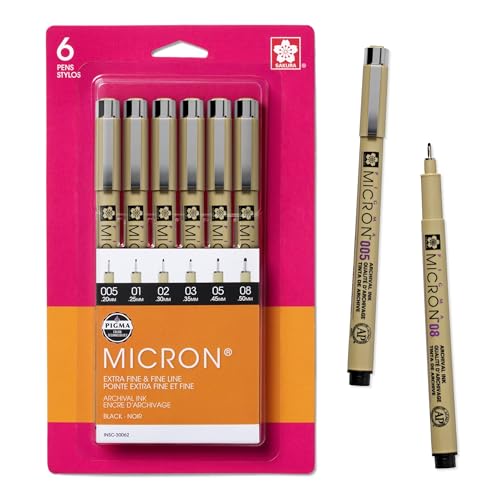

The Pigma Micron is widely regarded as the gold standard for those who value permanent, fade-resistant documentation of their pattern work. The ink is chemically stable, waterproof, and dries instantly, which eliminates the risk of accidental smudges when sliding the pattern into a project bag.
These pens are ideal for long-term projects like heirloom blankets or complex sweaters where the pattern may be referenced over several months. Because the ink won’t bleed through standard printer paper, the back of the page remains clear for extra notes regarding gauge swatches or yarn substitution math.
However, permanence is a double-edged sword for the knit-along participant. If a mistake is made in marking a row, there is no going back; the ink is there to stay. For those who prefer a “clean” pattern to revisit later, the inability to remove these marks is a significant drawback.
Pilot FriXion: The Best Erasable Pattern Marker

Pilot FriXion pens utilize thermo-sensitive ink that vanishes completely when subjected to friction-generated heat. For a knitter who frequently miscounts a cable repeat or highlights the wrong row, this provides a necessary safety net.
These markers are particularly useful when working on dense charts or crowded instructions where visual clarity is paramount. You can mark your progress, finish the row, and then quickly erase the line to reset the chart for the next repeat.
Be mindful that this ink can reappear if the pattern is left in a freezing environment, such as a car during winter. Additionally, the ink can sometimes leave a subtle “ghost” mark on thin papers if pressed too firmly, so keep a light hand when tracing your progress.
Staedtler Triplus Fineliner: Most Durable Tip

The Staedtler Triplus Fineliner features a metal-clad tip that holds up remarkably well under the pressure of constant use. If you are the type of knitter who spends hours marking off rows while working on a complex lace shawl, the tip will not fray or soften over time.
The ergonomic triangular shape of the barrel also prevents the pen from rolling off a crowded knitting table or couch. This is a small but critical detail for knitters working in limited spaces where dropped tools can easily disappear into the fibers of a high-pile rug.
While the ink is vibrant and provides excellent contrast against white paper, it is not waterproof. If a cup of tea or a damp project bag comes into contact with the marked pattern, the ink may migrate, potentially obscuring the instructions underneath.
Sharpie Ultra Fine Point: The Budget-Friendly Pick

The Sharpie Ultra Fine Point is ubiquitous and reliable, making it an easy choice for those who lose pens frequently. Its permanent ink is highly resistant to water, ensuring that even if a pattern gets slightly damp, the markings remain legible.
The primary trade-off with these markers is their tendency to bleed through thinner weight printer paper. When marking instructions on both sides of a sheet, this can lead to messy, overlapping ink blobs that make the text harder to read.
Always place a scrap piece of cardstock behind your pattern page before using a Sharpie to prevent ink from staining the desk or the following pages in a pattern binder. They are best suited for thick, high-quality printed patterns that can handle a heavier ink deposit.
Le Pen Fine Point Marker: Sleek and Smudge-Proof
Le Pen offers a exceptionally slim profile that feels more like a drafting tool than a standard marker. The ink is smooth and flows consistently without requiring heavy pressure, which helps maintain a steady hand after a long knitting session.
The markers are notably smudge-proof, a vital feature for left-handed knitters who often drag their hand across the paper while marking lines. The muted color palette also provides a sophisticated alternative to the neon hues found in many other marking pens.
Because the tip is finer than most, it is perfect for marking up patterns with tiny, crowded stitch counts. It won’t obscure the actual numbers or instructions, keeping your focus strictly on the pattern details.
Muji Gel Ink Pen: A Minimalist’s Top Choice
Muji gel pens are beloved for their exceptionally clean, crisp lines that provide maximum readability. The ink density is high, making it easy to cross out rows without needing to go over the line multiple times.
The pens are generally affordable and available in a wide range of colors, allowing you to color-code your patterns. Use one color for the lace section, another for the border, and a third for finishing instructions to keep complex projects organized.
The downside is that gel ink takes a few seconds to set. It is prone to smearing if you are not careful about where you place your hand immediately after marking a row, especially on smoother, coated paper stock.
What to Look For in a Pattern Marking Pen
When evaluating a marker for your knitting bag, prioritize the balance between tip durability and ink flow. A tip that is too soft will lose its precision within days, while ink that is too “wet” will bleed through your carefully printed pages.
Consider the surface you are marking. If your patterns are printed on standard 20lb bond paper, you need an ink that is dry and controlled. If you use plastic sheet protectors for your patterns, ensure the ink is compatible with dry-erase or permanent surfaces depending on your need for reuse.
- Tip Width: 0.3mm to 0.5mm is ideal for clear, legible marks without overwhelming the text.
- Ink Type: Choose between water-based for washability or oil-based for permanence.
- Ergonomics: Barrel shape and grip matter if you are marking patterns during long weekend knitting marathons.
How to Mark Your Knitting Patterns Effectively
Consistency is the most important factor in pattern marking. Adopt a standard method, such as drawing a simple diagonal line through a row number once it is completed, rather than circling it. This keeps the surrounding numbers visible for reference.
Use sticky notes or flags for major milestones, like “increase row” or “start heel.” Save the actual ink marks for the row-by-row progress to avoid cluttering your view. If you find yourself frequently lost, break your pattern into sections using highlighters to define different chart motifs.
Always keep your marking tool in the same designated spot in your project bag. If you have to spend time searching for your pen, you are more likely to lose your place in the project, which leads to avoidable counting errors.
Erasable vs. Permanent Ink: Which is Better?
The decision between erasable and permanent ink ultimately depends on how you value your project history. Permanent markers serve as a logbook of your journey, which can be invaluable if you return to a project after a long hiatus.
Erasable pens offer freedom for those who are prone to distraction or working on a pattern for the first time. They allow you to “clean” the pattern once a project is finished so it can be stored for future use without confusion.
Consider the fiber you are using; if you are working with delicate, high-maintenance yarn, you might want a permanent record of the exact row where you changed color or started a modification. For simpler, repetitive knits, the flexibility of erasable ink is usually the superior choice.
Keeping Your Printed Patterns Clean and Safe
A well-kept pattern is an investment in your sanity. Invest in a sturdy binder with archival-quality plastic page protectors to keep your sheets free from dirt, dust, and tea spills.
When transporting patterns, avoid folding them sharply, as this degrades the paper fibers and makes the printed instructions difficult to read over time. A stiff portfolio folder or a dedicated pattern sleeve will keep your documents flat and pristine.
By treating your pattern sheets with the same care as your hand-dyed wool or luxury cashmere, you ensure they remain a reliable resource. A clean, well-marked pattern is the first step toward a perfect finished object.
Selecting the right marker is a personal choice dictated by your knitting style and your tolerance for potential errors. Whether you prefer the permanence of a Pigma Micron or the flexibility of a FriXion, matching your tool to the demands of the project will make your time with the needles much more productive. Once you find the combination that works for your specific process, stick with it to keep your project documentation as refined as your knitting.