6 Best Beeswax For Lubricating Wooden Clamp Screws
Keep your workshop running smoothly with our guide to the 6 best beeswax for lubricating wooden clamp screws. Read our expert reviews and choose yours today.
A stiff wooden clamp screw can turn a relaxing evening of blocking finished lace into a frustrating ordeal of mechanical resistance. When knitting equipment relies on wood-on-wood tension, friction inevitably slows down the setup process and risks damaging the delicate fibers of a project. Lubricating these threaded components ensures that clamps glide effortlessly, preserving the structural integrity of both the tool and the work. Choosing the right beeswax provides the necessary slip to keep the focus entirely on the craft.
Dritz Beeswax with Holder: Best for Hand Tools


This classic choice is a staple in many sewing and knitting kits for a reason. The integrated plastic holder allows for controlled application without the wax crumbling or getting under fingernails.
It is particularly effective for those who switch between multiple projects and need a reliable, low-mess solution. The wax is formulated to provide a smooth, consistent coating, which is essential when the goal is to reduce friction on wooden threads without attracting excessive dust or lint.
While it is compact enough to throw into a notions bag, it is best kept on the workbench for consistent maintenance. For the price, it offers a predictable, no-nonsense application that keeps equipment moving smoothly.
F/A Dumont Beeswax Block: Top Pure Beeswax Pick

For purists, this block offers nothing but high-quality, filtered beeswax. It lacks the additives sometimes found in mass-produced craft waxes, ensuring that only natural ingredients come into contact with the wood.
Natural beeswax creates a durable, slick barrier that penetrates wood grain more effectively than synthetic alternatives. This is ideal for vintage wooden clamps or hand-carved tools that require gentle, non-reactive care to remain in top condition.
The trade-off is that a raw block requires a bit more effort to apply evenly. A firm rub against the screw threads is necessary to create a thin, effective layer.
Otter Wax All-Natural Bar: Best Eco-Friendly Wax
Otter Wax is known for its commitment to natural ingredients and ethical sourcing. This bar is ideal for those who prefer their studio tools to be as clean and environmentally conscious as their choice of organic wool or alpaca yarn.
The bar is slightly softer than raw blocks, which allows for easier application on tight-threaded clamps. It leaves a long-lasting, water-resistant finish that protects the wood from humidity-related swelling, a common culprit for stiff clamp action.
It is a premium choice that performs consistently across various wood densities. While it costs slightly more than generic options, the purity and ease of use justify the investment for high-end equipment.
Sky Organics Beeswax Bars: Best Bulk Value Option
Buying in bulk makes sense when maintaining a large collection of blocking boards, swift stands, and tensioning clamps. These bars are large, high-quality, and cost-effective for the heavy-duty user.
Because the bars are substantial, they provide a long-lasting supply that stays firm even in warmer studio environments. They are well-suited for someone who maintains a variety of wooden tools and wants a product that won’t disappear after a few applications.
These bars are not pre-packaged for portability, so they are best suited for a permanent home on a workbench. For the maker who values practicality and cost-per-ounce, this is the definitive choice.
Robo-Lubricant Beeswax Stick: Best for Precision
If you need to lubricate small, intricate screws without making a mess, a stick format is the most precise tool for the job. It behaves similarly to a glue stick, allowing for pinpoint application directly onto the threads of a wooden clamp.
This precision is vital when working on complex looms or delicate spinning wheel parts where excess wax could potentially transfer to yarn fibers. It minimizes waste and ensures that every bit of wax goes exactly where it is needed.
The compact design makes it easy to store in a notions drawer or tool kit. It is the perfect tool for a tidy workspace where precision and ease of use are prioritized.
Howard Feed-N-Wax: Best Paste for Wood Clamps
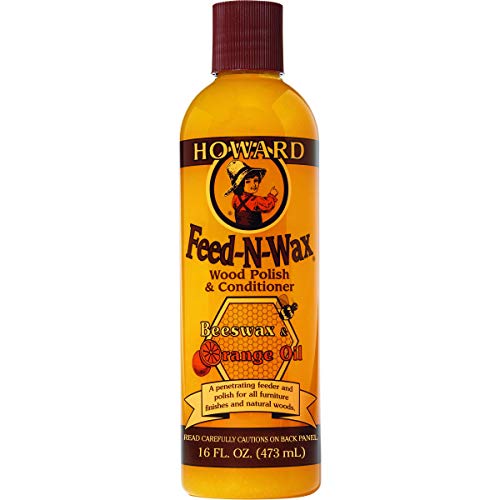
Sometimes a solid bar isn’t enough, especially if a wooden clamp has grown dry or sticky over years of use. This paste, a blend of beeswax and orange oil, conditions the wood while providing a slick lubricating surface.
It is particularly effective for wood that shows signs of aging, such as cracking or extreme dryness. The oil helps the wax penetrate deeply into the threads, providing a smoother movement than surface-level wax can achieve.
Because it is a paste, it is slightly more time-consuming to apply, requiring a cloth for application and buffing. However, the long-term benefit of treated, lubricated wood is worth the minor extra effort.
Choosing Your Beeswax: Block, Stick, or Paste?
The choice of format depends largely on the frequency of use and the state of the equipment. If the primary goal is quick, occasional maintenance, a solid block is usually sufficient and long-lasting.
- Blocks: Ideal for general, heavy-duty applications.
- Sticks: Best for tight spaces and surgical precision.
- Pastes: Recommended for old, dry, or neglected wooden threads that need restoration.
Consider the environment of the studio when choosing. In high-humidity areas, a harder wax is less likely to gum up, while in dry climates, a wax-oil blend like a paste can help keep wooden parts from shrinking and binding.
How to Apply Beeswax to Screws for Smooth Turns
Clean the threads thoroughly with a dry, stiff-bristled brush before applying any wax. Dirt and old, gummy residue will only impede the smooth movement of the clamp if trapped underneath a new layer of wax.
Apply the wax by rubbing the bar or stick firmly along the length of the threads. Aim for a light, even coat; too much wax will attract lint and dust, which can eventually harden and cause the screw to stick again.
Once the wax is applied, cycle the screw through the clamp’s housing several times to distribute the lubricant evenly. Wipe away any excess with a soft cloth to ensure the threads are slick but not coated in debris-catching clumps.
Beeswax vs. Paraffin Wax: What’s the Difference?
Beeswax is a natural product that adheres well to wood and provides a firm, protective barrier. It is generally safer for natural fibers and wooden tools because it does not contain the petroleum-based chemical additives found in many paraffin products.
Paraffin wax is synthetic and can sometimes feel “slicker” initially, but it often flakes off more quickly under pressure. It lacks the nourishing qualities of beeswax and can sometimes leave a residue that is more difficult to clean from porous wood grain.
For tools that touch fiber, beeswax is the professional standard. It does not transfer harsh chemicals to your hand-dyed wool or fine silk, preserving the quality of the yarn during the project.
Other Great Uses for Beeswax in Your Craft Room
Beyond lubricating screws, beeswax is a versatile tool for any fiber artist. Use it to coat sewing needles to help them glide through dense fabric or to stiffen the ends of yarn to make threading a tapestry needle easier.
It is also effective for conditioning wooden crochet hooks that have lost their luster, restoring a smooth finish that won’t snag delicate lace-weight yarn. A quick rub followed by a vigorous buffing with a soft cloth brings out the grain and improves the feel of the tool in the hand.
Finally, keep a small block handy for sealing the ends of wooden spindles or protecting exposed wood edges from moisture. A little bit of wax goes a long way in extending the life of high-quality equipment.
Maintaining your wooden clamps with the right beeswax is a simple, effective way to protect your investment and improve your workflow. Whether you prefer the control of a stick or the conditioning properties of a paste, these options ensure that every turn of the screw is smooth and effortless. Prioritize consistent maintenance, and your tools will remain reliable partners in your craft for years to come.