6 Sewing Pins For Fabric Layering Worth Using
Struggling to keep fabric layers aligned? Discover 6 reliable sewing pins that simplify your quilting and garment projects. Read our top picks and shop now.
Achieving precision in fiber arts requires more than just high-quality yarn and needles; it demands control over every layer of fabric. Whether stabilizing a delicate lace edging or aligning complex garment pieces, the right pin prevents the shifting that ruins a finished project. Using subpar pins can lead to snagged fibers, distorted gauge, or frustrating snags that permanently mar the work. Understanding which tools belong in the sewing kit is the difference between a professional-looking finish and a handmade mess.
Dritz Glass Head Pins: The All-Purpose Workhorse


These pins serve as the reliable standard for most everyday garment assembly. The heat-resistant glass heads mean they can remain in place while using a steam iron to press seams or flatten bulky edges.
Because they are slightly thicker than specialized pins, they provide excellent structural support when pinning heavier weight wools or dense tweed fabrics. While they excel in versatility, avoid using them on ultra-fine silk or sheer mohair, as their diameter can leave visible holes in delicate weave structures.
Consider these the foundational tool for a well-stocked sewing space. They offer the best balance between cost, durability, and general utility for the majority of knitting and sewing projects.
Clover Patchwork Pins: For Fine, Delicate Fabrics

Fine pins are essential when working with lightweight materials like bamboo jersey or fingering weight fabric remnants. Clover Patchwork pins feature an exceptionally slender shaft that slips through tightly woven or delicate fibers without causing pulls or fiber breakage.
The sharper tip allows for effortless penetration of multiple layers of fabric. By minimizing the displacement of individual yarns, these pins ensure that the alignment of a pattern or a seam remains undisturbed during the pinning process.
These pins are the superior choice for high-precision work, such as attaching facings to lightweight knit garments. While their delicate nature means they can bend if forced through heavy denim, their performance on light-to-medium fabrics is unmatched.
Bohin Extra-Fine Glass Head Pins: A Luxury Pick

Bohin pins are widely regarded for their superior steel tempering and precision-ground points. They glide into fabric with a smoothness that is immediately noticeable, making them a premium investment for the serious maker.
Their extra-fine gauge makes them virtually invisible within the fabric, yet the nickel-plated steel remains remarkably resistant to bending. This structural integrity allows for repeated use without the pins losing their original shape or becoming dull at the point.
For projects where fabric tension is critical—such as matching up stripes or aligning intricate colorwork—these pins offer the precision needed to keep work stable. Invest in these when the goal is to protect the integrity of high-quality, luxury fibers.
Dritz Flower Head Pins: Easy to See and Handle
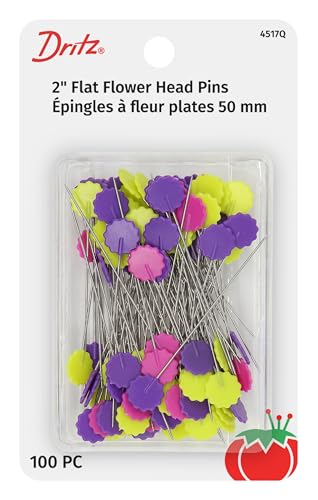
Large, flat heads make these pins incredibly easy to locate and remove, even if they end up buried in deep pile or textured fabric. Their shape also prevents them from disappearing into the weave, which reduces the likelihood of an accidental prick during the assembly process.
The flat head allows the fabric to lie perfectly flush against the ironing board. This is a significant advantage when pinning long seams that require careful pressing to ensure the yarn density remains consistent across the entire length of the garment.
While their size makes them less ideal for pinning multiple, extremely tight layers, their convenience for long, straight seams is undeniable. Keep a pack on hand specifically for tasks that require long-term pinning before final assembly.
Clover Fork Pins: For Perfect Plaid & Stripe Matching

Fork pins are uniquely designed with two prongs that hold fabric layers securely on either side of a seam line. By straddling the fabric, they prevent the dreaded shifting that occurs when pinning through the thickness of a bulky sweater knit.
This tool is indispensable for lining up horizontal stripes or matching complex patterns across seams. By gripping the fabric from both sides, they keep the alignment locked in place far more effectively than a standard straight pin ever could.
Mastering the use of fork pins transforms the assembly of striped or variegated projects. They are a niche tool, but for specific projects involving pattern matching, they are the only choice that guarantees a seamless result.
Taylor Seville Magic Pins: Best for Quilting Layers
Magic pins feature a unique comfort-grip head that is larger and easier to grasp than traditional pin heads. This ergonomic design is a lifesaver for those who find standard pins difficult to manipulate due to hand fatigue or mobility issues.
Their shaft is designed to be heat-resistant, meaning the entire pin can be ironed over without melting or damaging the head. They are robust enough to hold thick, quilted layers together without buckling under the weight of the fabric.
When assembling layers for a project that requires significant time and heavy handling, the grip of these pins provides stability and ease of use. They strike a practical balance between the heavy-duty requirements of quilting and the tactile comfort needed for long hours of assembly.
Choosing the Right Pin for Your Specific Fabric
Selecting a pin is not a one-size-fits-all endeavor. The weight and density of your fabric must dictate the choice of pin diameter and tip sharpness.
- For Fine Fibers: Always opt for extra-fine, thin-gauge pins to avoid leaving permanent holes or damaging the yarn structure.
- For Bulky or Layered Projects: Use pins with longer shafts to reach through multiple layers without shifting.
- For Pressing: Ensure the head is glass or heat-resistant plastic to prevent melting under high steam or dry heat.
Always conduct a quick test on a scrap piece of the fabric being used if you are unsure. If a pin requires force to penetrate, it is either the wrong diameter or the tip has become dull.
Pin Materials: Steel, Nickel, and Why It Matters
The material composition of a pin directly impacts its longevity and how it interacts with delicate fibers. Stainless steel pins are rust-resistant and ideal for damp blocking or steaming, as they will not leave oxidized marks on your work.
Nickel-plated pins offer a smooth surface that helps the pin slide through fibers with minimal friction. However, those with metal sensitivities should be aware that nickel can trigger reactions in some individuals.
Avoid low-quality, plated base metals, as these often develop burrs or roughness on the surface over time. These imperfections snag fibers and can ruin a delicate knit, making high-quality steel a non-negotiable requirement for long-term fiber health.
How to Pin Fabric to Prevent Shifting and Puckers
Puckering usually occurs when fabric layers are pulled tight or shifted during the pinning process. The most effective technique is to pin through the seam line perpendicularly, ensuring that the fabric remains completely flat against the table.
For knit fabrics, avoid stretching the material as you pin; allow the fibers to relax into their natural state before securing them. If you notice the fabric bunching, remove the pins and re-align, starting from the center of the seam and working outward toward the edges.
Consistency is key to preventing distortions. By pinning at regular intervals and maintaining even tension, you ensure that the final seam sits flush and the gauge of the fabric remains consistent throughout the garment.
Do I Really Need a Pincushion? (And Other FAQs)
A pincushion serves a functional role beyond simple storage. It helps maintain the sharpness of your pins by cleaning them every time they are inserted and removed.
Traditional wool-filled pincushions are highly recommended because the natural lanolin in the wool actually prevents the steel pins from rusting over time. Storing pins loose in a container leads to dull tips and increased risk of snags during the next use.
Keep your pins organized by type, as using a blunt pin on fine lace will inevitably result in damage. Treat your pinning tools with the same care and respect as you would your favorite circular needles, and your finished projects will reflect that level of attention to detail.
The right set of pins is a foundational investment that protects the hours of labor put into every stitch. By selecting tools that match the specific requirements of your fibers, you ensure a smoother assembly process and a more polished final garment. Taking the time to understand these small but mighty tools is exactly how professional-quality results are achieved at home.