7 Best Refillable Paper Packs For Ongoing Notes
Stop wasting paper and start writing smarter. Discover our top 7 picks for the best refillable paper packs to keep your notes organized. Shop our guide today!
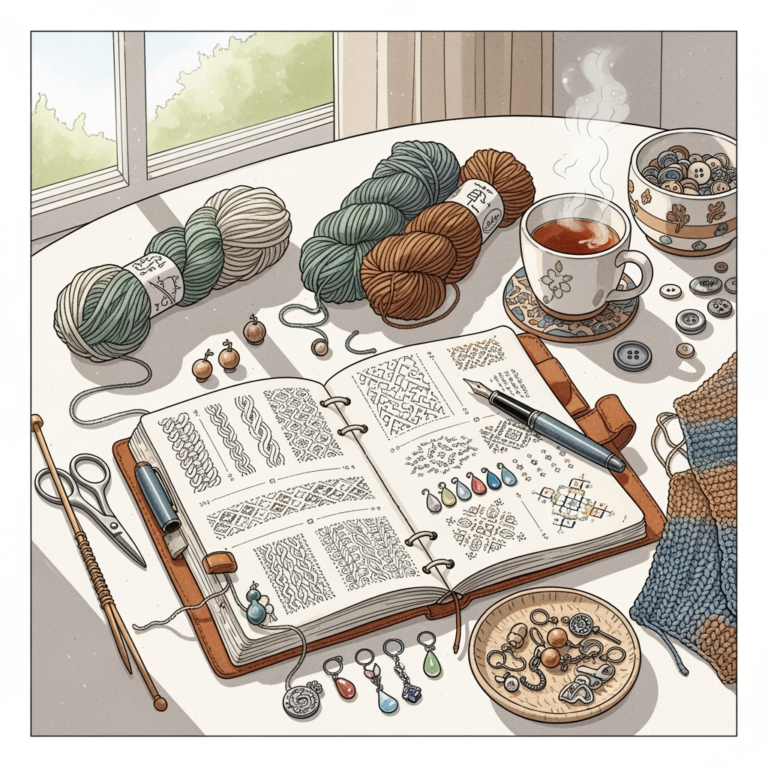
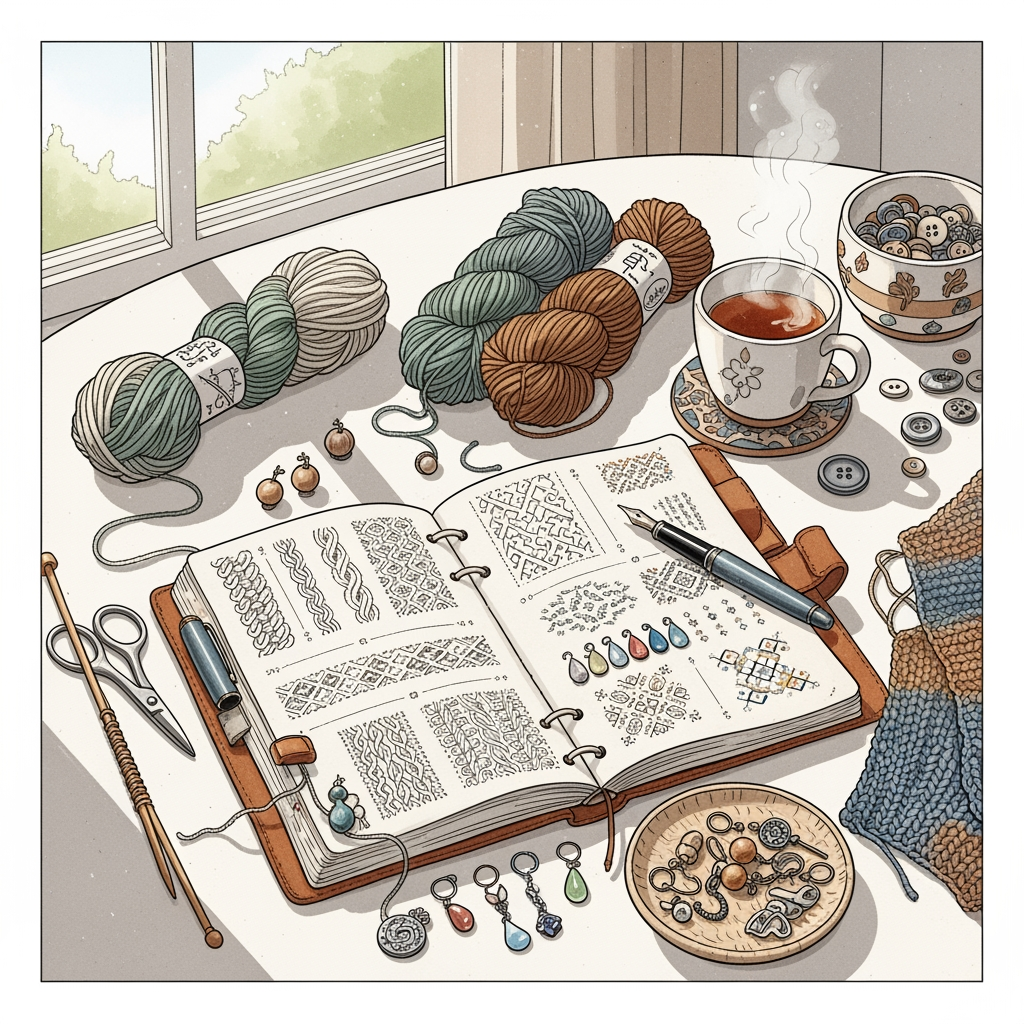
Tracking intricate stitch patterns, complex lace repeats, and fluctuating row gauges is as vital to a successful garment as choosing the right fiber. Standard notebook pages often fail when project notes need to be shuffled, rewritten, or archived alongside specific swatches. Professional-grade refillable systems allow for a modular approach, ensuring that your technical data stays as organized as your yarn stash. Investing in high-quality paper prevents ink bleed-through, which is essential when color-coding charts with markers.
Rhodia DotPad N°16: For Flawless Stitch Charts
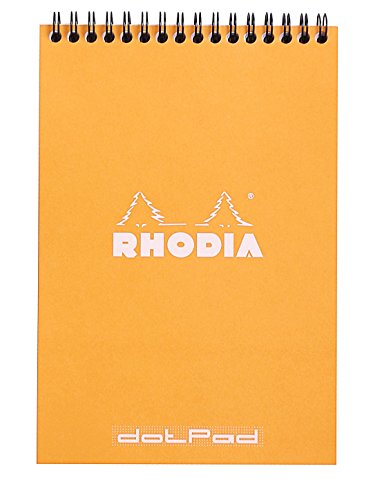

The Rhodia DotPad is legendary for its ultra-smooth, 80g acid-free paper that handles fountain pen ink without a hint of feathering. The subtle dot grid acts as a perfect geometric guide for drawing out custom lace motifs or charting stranded colorwork repeats.
Because the dots are light, they remain invisible once a chart is filled, leaving a clean view of the pattern. This makes it an ideal choice for mapping out cables or tracking stitch increases across a raglan shaping sequence.
While excellent for drafting, the tear-away nature of the sheets means this is best for drafting sections before transcribing them into a permanent project log. It remains the gold standard for knitters who prioritize precision in their hand-drawn schematics.
Kokuyo Campus Paper: Smoothest for Ink & Pen

Kokuyo Campus paper is widely regarded as the pinnacle of writing comfort, particularly for those who document their knitting progress with fine-liner pens. The paper surface is engineered to minimize friction, allowing for long note-taking sessions without hand fatigue.
This paper is particularly effective for recording detailed project logs, such as noting the specific weight of yarn remaining after each sleeve or documenting tension adjustments. The consistency of the surface ensures that ink dries rapidly, preventing smudges when flipping through pages quickly.
Because the paper is exceptionally thin, it allows for a high sheet count within a binder, which is helpful when tracking multi-year, complex projects like heirloom blankets. It is an excellent choice for the knitter who requires a high volume of recording space without added bulk.
Lihit Lab Twist Ring: For Custom Project Books
The Lihit Lab Twist Ring system bridges the gap between a spiral notebook and a professional binder. The unique mechanism allows the rings to open fully, enabling the addition or removal of pages without damaging the paper’s integrity.
This is invaluable for knitters who need to move their “current project” notes to the front of the book frequently. If a specific cable chart needs to be visible while working on a complicated row, the page can be popped out and moved to the top of the stack.
The system is highly compact, making it a perfect fit for a knitting bag that is already crowded with needles and notions. It provides the modular flexibility of a binder without the weight or clunky hardware.
Filofax A5 Lined Refill: The Structured Project Log
Filofax refills offer a rigid, business-like structure that works exceptionally well for keeping standardized project records. Each page typically features generous spacing, which is helpful for recording details like fiber content, dye lot numbers, and needle sizes used.
Standardized templates help prevent the common mistake of omitting critical project data, such as final blocked dimensions. Having a consistent format makes it much easier to compare results between different yarn bases or tension styles.
While the lines provide structure, they can be restrictive for those who prefer to sketch out garment silhouettes or color placement. Consider this option if the priority is documenting factual project data rather than free-form drafting.
Midori MD A5 Grid Paper: The Minimalist’s Choice
Midori MD paper is prized for its warm, cream-colored hue, which is significantly easier on the eyes during late-night knitting sessions under artificial light. The grid is printed with a subtle, non-intrusive ink that provides necessary structure without interfering with visual patterns.
The paper is notably thick and durable, making it resistant to the accidental spills or lint accumulation often found in a knitter’s workspace. It holds up exceptionally well to erasing, which is a frequent necessity when adjusting stitch counts during the design process.
This is the ultimate choice for the knitter who wants a clean, distraction-free environment for their notes. It pairs beautifully with pencil or fountain pen, offering a tactile experience that matches the organic nature of fiber arts.
Traveler’s Notebook Grid Refill: For Notes On-The-Go
The Traveler’s Notebook system is built for the knitter who takes their craft to workshops, fiber festivals, and retreats. The grid refills are slim, lightweight, and designed to be easily swapped out once a project cycle is complete.
Because the booklets are thin, you can dedicate one refill to each major project, creating a lightweight physical archive of your portfolio. This prevents the need to carry a heavy, multi-subject binder when space in a carry-on or project tote is limited.
The narrow profile is ideal for smaller, portable projects like sock knitting or hat swatches. While they offer less total space than an A5 binder, their portability makes them unmatched for the active, traveling knitter.
Rite in the Rain Paper: The Indestructible Option
Rite in the Rain paper is treated with a specialized coating that makes it completely impervious to water and moisture. In the context of knitting, this is the definitive choice for use near blocking stations or when working with damp fiber.
If there is a concern about accidentally spilling tea, coffee, or water from a mister onto carefully written pattern notes, this paper provides complete security. It is essentially tear-resistant and maintains its shape even in humid environments.
This paper requires specific pens, such as ballpoints or all-weather writing instruments, as standard fountain pen ink will not bond to the surface. It is the practical choice for those who do not want to worry about the safety of their records in high-traffic work areas.
Choosing Paper: Grid, Lined, or Dotted for Knitting?
The selection of a page layout dictates how effectively you can track your work. Grid paper is generally superior for charting, while lined paper is better for narrative progress notes. Dotted paper occupies a helpful middle ground, providing a geometric grid for stitch counts without the visual clutter of full lines.
- Grid: Essential for colorwork, cable motifs, and lace.
- Lined: Best for recording row counts, yarn consumption, and blocking notes.
- Dotted: Highly versatile, allowing for both sketch-work and neat note-taking.
If you are a beginning knitter, start with grid paper; it helps visually reinforce the relationship between individual stitches and the final fabric structure. Experienced designers often find that a mix of grid for charts and lined for narrative is the most functional approach.
How to Best Organize Your Knitting Project Notes
Consistency is the secret to an effective knitting journal. Dedicate the first page of every project refill to a “Project Header” that includes the pattern name, yarn brand, colorway, dye lot, needle size, and your calculated gauge.
Use colored tabs to delineate different sections: one for charts, one for written row instructions, and one for post-knitting reflections. When a project is finished, tape a small sample of the yarn—with the label attached—directly into the notebook for future reference.
Avoid the temptation to scribble notes on random sticky notes that will eventually lose their adhesive and go missing. Keep all project-related ephemera inside the front cover of your current refill until the project is bound off.
Binder vs. Spiral Systems: Which Is Best for You?
Binder systems provide the ultimate long-term storage solution, as they allow you to archive hundreds of pages of pattern development and swatches over several years. They are, however, heavier and occupy more space on a coffee table or in a project bag.
Spiral or ring-bound systems like the Lihit Lab offer superior usability while the project is in motion, especially for those who need to lay the book flat or fold it back on itself. If you prioritize portability and immediate access, choose a ring-based system.
If you are a designer who produces dozens of garments annually, a large-format binder is an essential investment for maintaining a professional archive. For the hobbyist who focuses on one or two projects at a time, a smaller, modular notebook system will significantly improve your efficiency.
A well-organized set of notes acts as a secondary brain, allowing you to replicate successful results or troubleshoot past errors with ease. Choose a paper system that matches your workflow and you will find your knitting sessions becoming far more focused and productive. Regardless of which refill you select, the most important step is simply getting the technical details down on paper every time a row is finished.