6 Best Chain Nose Pliers For Jewelry Assembly Professionals
Discover the 6 best chain nose pliers for jewelry assembly professionals to improve your precision and efficiency. Shop our top-rated tool picks for your studio.
Precision in jewelry assembly requires the same level of attention to detail as maintaining even tension in a complex lace shawl. Just as the wrong needle material can cause hand fatigue or dropped stitches, using subpar pliers can mar delicate wire and frustrate the assembly process. Investing in professional-grade tools is the single most effective way to elevate the quality of finished pieces. Selecting the right chain nose pliers is a fundamental step toward achieving professional, clean connections in every project.
Lindstrom RX 7893 Supreme Pliers: Best Overall


The Lindstrom RX 7893 represents the gold standard for those who prioritize long-term hand health. Much like choosing an ergonomic needle for a marathon knitting session, these pliers are designed to minimize the repetitive strain associated with hours of jewelry assembly.
The standout feature is the RX handle system, which offers a soft, spring-loaded return that feels effortless. This reduces the pressure required to grip findings, much like how a lightweight carbon fiber needle reduces wrist tension when working with heavy wool.
While the price point is steep, the durability of the high-grade steel justifies the investment. If daily use is part of the professional routine, these pliers provide the best balance of longevity and comfort.
Tronex 511 Chain Nose Pliers: Top for Precision
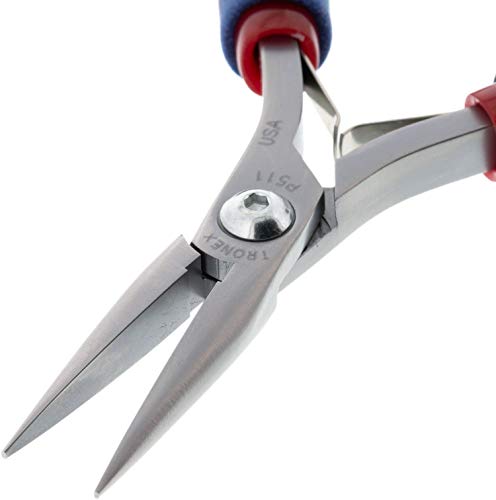
Precision is non-negotiable when working with fine-gauge wire or intricate jump rings. Tronex 511 pliers are favored for their perfectly aligned, tapered tips that allow for manipulation in the smallest of spaces.
The tip geometry is comparable to the sharp, well-defined point of a lace needle. This enables the user to maneuver into tight spots without snagging or deforming adjacent wire loops.
These are essential for tasks requiring high control, such as wire wrapping or closing delicate ear wires. They are the go-to tool for work that demands absolute accuracy and a clean finish.
Wubbers Classic Chain Nose: Most Ergonomic Grip
Wubbers are widely recognized for their signature chunky, cushioned handles that provide a secure grip without excessive squeezing. For makers who struggle with arthritis or hand fatigue, this design shift is significant.
The wider handle diameter mimics the effect of using a cushioned handle cover on a thin metal knitting needle. By increasing the surface area in contact with the palm, the physical load is distributed more evenly.
They are particularly useful when working with harder, thicker gauges of wire that require more force to bend. If hand comfort is the primary concern, the Wubbers handle shape is an unmatched asset.
Xuron 450 TweezerNose Pliers: For Tight Spaces
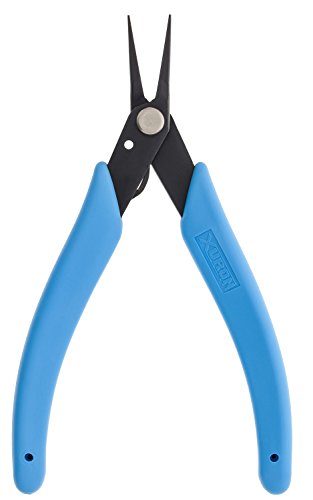
The Xuron 450 TweezerNose pliers feature a unique, ultra-thin profile that excels in situations where standard pliers are simply too bulky. They act like a pair of locking tweezers, offering an extended reach that is invaluable for complex assemblies.
Think of these as the DPNs (double pointed needles) of the pliers world—indispensable for those hard-to-reach areas where maneuverability is limited. The slim design allows for delicate handling of small beads and fine wire loops.
While they are not meant for heavy-duty bending, their ability to navigate tight environments is superior. Keep these on hand for the final, finishing steps of a project where precision is paramount.
Beadsmith German Chain Nose: Great Value Pick
The Beadsmith German-made series provides a bridge between entry-level tools and high-end professional equipment. These offer solid construction and reliable jaw alignment without the premium price tag.
They are durable enough for everyday assembly and offer a professional feel that beginner tools lack. If the goal is to build a reliable toolkit without overextending the budget, these are a highly practical choice.
Consistency is key here, as the quality control on German-made tools is generally reliable. They are a workhorse staple that can handle a variety of gauges and metals reliably.
Eurotool Ergo Chain Nose Pliers: Best Budget Pro
Eurotool Ergo pliers provide an affordable entry point into the world of ergonomic tool design. They are lighter than professional-grade European alternatives but still offer a comfortable feel for occasional use.
For the hobbyist or the beginner who is not yet ready to commit to top-tier pricing, these offer significant improvement over basic hardware store pliers. The PVC-dipped handles provide enough grip to prevent slipping while working with smooth wire.
The bottom line is simple: these are excellent for those who need functional, ergonomic support on a limited budget. They perform well for most standard jewelry construction tasks.
Chain vs. Round vs. Flat Nose: Know Your Pliers
Understanding the differences between plier shapes is as crucial as knowing when to use a circular needle versus a straight one. Chain nose pliers have a tapered, triangular profile that is essential for gripping, bending, and closing loops.
Round nose pliers, by contrast, feature two conical jaws designed specifically for creating loops and curves in wire. Flat nose pliers have wide, square jaws that are best for gripping and making sharp, angular bends.
Building a complete kit requires at least one of each to handle different stages of construction. Relying on the wrong tool for a specific task often results in scarred metal or weak connections.
Smooth vs. Serrated Jaws: What’s the Difference?
Smooth jaws are the standard for jewelry making, as they prevent damage to soft wires and precious metals. Using serrated jaws is a common mistake; the teeth will inevitably mar the finish of sterling silver or gold-filled wire.
Think of serrated jaws like a textured needle tip that catches on delicate fibers; they are meant for industrial hardware, not for jewelry. Always ensure that the pliers chosen for jewelry work have completely smooth, polished jaw surfaces.
If extra grip is required without damaging the surface, consider using a layer of masking tape over the jaws or opting for nylon-coated tips. The goal is to maintain the surface integrity of the wire throughout the entire assembly process.
How to Choose Pliers for Your Hand Size & Grip
Tool size should be dictated by the size of the user’s hand and the level of force required for the project. Smaller hands often feel overwhelmed by overly large, heavy pliers, leading to clunky movements and increased fatigue.
Test the “feel” of the tool by grasping the handles naturally—if the fingertips overlap or if the handles feel like a stretch, they are likely too large. Similarly, check the spring tension; a spring that is too stiff will fight against the hand, while one that is too loose will feel unresponsive.
Remember that jewelry work involves small, controlled movements rather than large, sweeping actions. Choosing a tool that fits the hand like a well-tailored glove makes every bend and loop significantly more precise.
Caring for Your Tools: A Plier Maintenance Guide
Proper maintenance ensures that tools remain as effective as they were on day one. Clean the jaws regularly to remove metal shavings or debris, and use a light machine oil on the pivot point to keep the opening and closing action smooth.
Avoid using pliers to cut heavy-gauge wire, as this can damage the precision tips and force them out of alignment. If a pair of pliers starts to feel stiff or begins to stick, a quick cleaning and drop of lubricant can often restore their performance.
Store tools in a dry environment to prevent rust, and avoid dropping them, as impact can misalign the jaw tips. Treating professional pliers with the same care as one would treat an expensive set of wood knitting needles ensures their longevity and consistent performance.
Equipping a workstation with the right chain nose pliers is a transformative step for any jewelry professional. By balancing ergonomic needs, precision requirements, and quality materials, the assembly process becomes both easier and more enjoyable. Take the time to select tools that complement individual hand mechanics, and keep them well-maintained to ensure years of reliable service.