6 Best Button Gauges For Sizing Vintage Hardware
Find the 6 best button gauges for sizing vintage hardware accurately. Read our expert guide to choosing the right tool for your restoration project today.
Hunting for the perfect vintage button in an antique shop is a rite of passage for every dedicated maker. However, returning home only to find that a “perfect” set of buttons is slightly too large for the buttonholes on a hand-knit cardigan is a common frustration. Having the right tool to measure these treasures ensures that the final detail of a project aligns perfectly with its construction. Selecting a dedicated gauge removes the guesswork and protects the integrity of both the garment and the vintage find.
Susan Bates Knit-Chek: Best Budget All-in-One
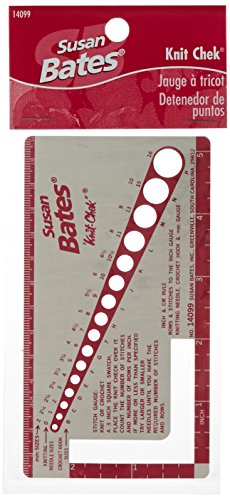

The Susan Bates Knit-Chek is a staple in many sewing baskets for a reason. It combines a needle gauge, a ruler, and a buttonhole sizer into one lightweight, inexpensive piece of plastic.
For those just starting to build a tool collection, this is the most practical entry point. It handles the essential tasks of checking needle diameter and measuring button sizes without requiring a significant investment.
While it lacks the durability of metal or wood tools, its functionality is undeniable. It is an excellent choice for a travel kit where keeping weight and clutter to a minimum is the primary objective.
The Knitting Barber Button Gauge: Top Pocket Pick

Portability is the defining feature of The Knitting Barber Button Gauge. Designed with the minimalist maker in mind, it is compact enough to fit into even the smallest project bag or notions tin.

This gauge is specifically shaped to slide easily through buttons, making it ideal for checking sizing on the fly while browsing flea markets or estate sales. Its slim profile means it doesn’t add bulk to a kit that is already packed with yarn and needles.
The tradeoff for this portability is that it serves a very singular purpose. If a tool that handles multiple tasks is preferred, this might feel too specialized, but for dedicated button hunters, its efficiency is unmatched.
Katrinkles Button Sizer Tool: Best for Accuracy
Katrinkles excels in precision, and their wooden button sizers are no exception. Laser-cut with exacting standards, these tools provide highly reliable measurements that take the ambiguity out of sizing vintage hardware.
The use of wood adds a tactile quality that many makers find superior to plastic alternatives. Because the material is slightly thicker, it provides a more stable surface when testing if a button will comfortably pass through a finished buttonhole.
These tools often feature aesthetically pleasing designs, making them as much a joy to display as they are to use. They are the ideal choice for a crafter who values precision instruments that also hold up under frequent use.
Cocoknits Ruler and Gauge: Most Versatile System

The Cocoknits approach centers on a comprehensive system designed to work in tandem with other tools. This ruler and gauge set is built for the maker who wants a cohesive, streamlined experience across all aspects of their hobby.
Beyond just measuring buttons, this tool provides a clear way to verify gauge swatches and needle sizes. Its design is clean and intuitive, focusing on high contrast and readability.
This is a premium choice for those looking to invest in a complete ecosystem of tools. While the price point is higher than simple plastic gauges, the utility and longevity offered are substantial for any serious fiber artist.
Allary Originals Button Gauge: Classic No-Frills
Allary Originals represents the traditional, utilitarian approach to sewing accessories. These gauges are designed for those who appreciate a straightforward tool that does exactly what it promises without unnecessary flair.
Constructed for durability, these metal gauges are resistant to the wear and tear of a busy sewing room. They provide a satisfying tactile feedback that plastic tools often lack.
This is the reliable workhorse of the bunch. If the preference is for a tool that can be tossed into a drawer and expected to work perfectly every time, this classic metal gauge is the best path forward.
Merchant & Mills Button Gauge: Heirloom Quality
Merchant & Mills is renowned for elevating everyday tools into items of beauty. Their button gauge is no exception, offering a classic, high-end feel that makes the process of measuring buttons feel intentional and refined.
These tools are built to last a lifetime, often crafted from robust materials that age well. For the maker who values heritage-quality notions, this is an obvious addition to the collection.
The primary consideration here is cost versus function. While it performs the same task as a cheaper plastic tool, the experience of using it is vastly different. It is a tool for the maker who savors the process as much as the finished project.
How to Measure Irregularly Shaped Vintage Buttons
Measuring buttons that are square, oval, or embossed requires a different approach than standard circular discs. A standard ruler can easily lead to measurement errors, as it fails to account for the depth and total span of non-circular shapes.
When dealing with irregular shapes, always measure the widest point to ensure the button will pass through the buttonhole comfortably. If a button is particularly thick, it may require a slightly larger buttonhole than a flat, two-hole button of the same diameter.
Using a gauge with multiple aperture sizes allows you to test the actual fit rather than just the diameter. If a button feels tight, do not force it; it is better to slightly enlarge a buttonhole than to risk stretching the fiber or damaging a delicate vintage button.
Understanding Button Sizes: Lignes vs. Inches/mm
Button sizing can be confusing because it is often measured in “lignes,” a traditional French measurement unit used in the textile industry. One ligne is equal to approximately 0.635 millimeters, which is why button sizes often seem like strange, non-standard numbers.
Most gauges display both metric (mm) and imperial (inches) measurements, which are generally more useful for the home knitter. When in doubt, convert the ligne size to millimeters to find the corresponding size on a standard ruler or gauge.
Understanding this conversion is critical when following vintage patterns that list button sizes in lignes. Always verify the mm size before committing to a purchase, as slight variations in sizing can significantly impact how a garment buttons up.
Why a Standard Ruler Isn’t Good Enough for Buttons
A standard flat ruler creates a two-dimensional limitation that ignores the three-dimensional reality of a button. It is difficult to center a button perfectly on a ruler, and it is impossible to account for the “give” of a buttonhole using only straight lines.
Dedicated button gauges are designed with circular or specifically shaped cutouts that mimic the environment of a finished buttonhole. This allows for a much more accurate assessment of whether a button will function correctly in use.
Furthermore, a gauge allows for rapid testing of an entire set of buttons. Consistency is key in garment construction, and a dedicated tool helps ensure that every button in a set is uniform in size and functionality.
Choosing Your Gauge: Wood, Metal, or Plastic?
Material choice largely comes down to personal preference and how often the tool will be used. Plastic gauges are inexpensive and lightweight, making them perfect for beginners or occasional use, though they can eventually wear down or crack.
Metal gauges offer superior durability and are less likely to warp over time. They provide a firm, reliable surface that is excellent for high-volume use in a studio or sewing room.
Wood gauges offer a balance of beauty and functionality, though they require care to avoid moisture or splintering. If you enjoy tools that feel natural in the hand, wood is an excellent choice, provided you select a high-quality, finished piece.
Selecting the right button gauge transforms a potentially frustrating sourcing task into a reliable step in the garment-making process. By choosing a tool that fits your specific needs, you ensure that every vintage find is not only beautiful but perfectly functional for your hand-knit designs.