6 Best Padding Foams For Structure To Choose
Upgrade your upholstery projects with the 6 best padding foams for structure. Read our expert guide to choose the perfect foam density for your needs today.
Choosing the right structure for a bag, case, or structured accessory is as critical as choosing the correct needle material for a delicate lace project. Just as a blunt-tipped bamboo needle provides grip for slippery mohair, the right foam stabilizer provides the necessary support for your handcrafted fabric. Selecting the wrong interface can lead to sagging, premature wear, or a project that simply lacks the professional finish desired. This guide breaks down the essential padding foams to ensure every stitch is supported by the perfect internal frame.
Pellon Flex-Foam: The Best All-Purpose Choice


Pellon Flex-Foam is a lightweight, one-sided fusible foam that provides excellent shape without adding excessive bulk. It serves as an ideal bridge for makers who need a balance between softness and rigidity.
This product is particularly useful for medium-weight projects like pouches, small totes, or lined zip cases. Because it is thin, it does not distort the drape of your outer fabric while still providing enough body to prevent a project from collapsing under its own weight.
One major advantage is its ease of handling; it cuts cleanly and stitches through domestic machines without skipping. Keep in mind that while it offers structure, it is not intended for heavy-duty load-bearing items.
ByAnnie’s Soft and Stable: For Pro-Level Bags
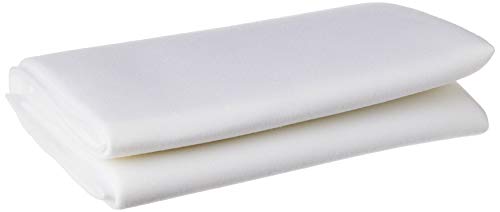
Soft and Stable stands as the industry gold standard for those who demand professional, boutique-quality results. It is a dense, polyester foam laminate that holds its shape remarkably well, even when folded or compressed during transit.
For complex projects like structured handbags or specialized tool organizers, this product is unrivaled. It creates a crisp silhouette that mimics high-end retail accessories, preventing the “homemade” look that often plagues softer, unlined bags.
The material does not require fusing, which is a significant benefit for those working with fabrics that might scorch under high heat. While it comes at a higher price point, the longevity it imparts to a bag justifies the investment for heirloom-quality pieces.
Bosal In-R-Form: Top Fusible Foam Option

Bosal In-R-Form is a double-sided fusible foam, meaning it adheres to both the outer fabric and the lining. This creates a bonded unit that acts as a single, cohesive piece of architecture for your project.
This foam is the superior choice for makers who struggle with “baggy” linings or shifting layers while sewing. By fusing everything together, the foam effectively eliminates the need for extensive pinning or basting, allowing for a much faster assembly process.
Be aware that the double-sided nature requires precise alignment during application. Once heat is applied, the bond is firm, making it difficult to reposition if the layers are misaligned.
EVA Foam Tiles: The Ultimate Blocking Surface

While not a sewing stabilizer, EVA foam tiles are an essential tool for the post-production stage of fiber arts. They create a modular, pinnable surface that is impervious to moisture and heat.
When blocking wet-finished items like lace shawls or complex sweater pieces, these tiles provide a reliable grid. The foam is firm enough to hold stainless steel T-pins securely without degrading over time, unlike cork or cardboard alternatives.
The modular nature allows for custom configurations based on the dimensions of the specific project. They are arguably the most cost-effective and durable solution for managing delicate pieces during the final shaping phase.
High-Density Foam: For Sturdy Home Decor
High-density foam is the backbone of structured home decor projects such as ottoman covers, floor cushions, or specialized equipment cases. It provides structural integrity that soft batting or thin interface cannot achieve.
When using this material, prioritize the density rating rather than just the thickness. Higher density ensures the foam will return to its original shape after weight is applied, whereas lower-density options will eventually develop permanent indentations.
Always wrap this foam in a layer of polyester batting before sewing your fabric cover. This adds a soft, rounded aesthetic that prevents the sharp edges of the foam from wearing through the outer fabric over time.
Neoprene Sheeting: For Protective Tech Sleeves
Neoprene offers a unique combination of compression-resistant padding and high-grip friction. It is the material of choice for protecting delicate electronics like tablets, needles cases, or circular knitting sets.
Unlike standard foams, neoprene has a rubber-like core that provides genuine impact protection. It is an ideal material for travel-sized notions bags because it keeps contents secure and protected from minor drops or bumps.
Working with neoprene requires a longer stitch length to prevent the rubber core from tearing. It also performs best with a walking foot, which prevents the material from “walking” or shifting under the presser foot during assembly.
How to Choose the Right Foam for Your Project
Selecting the right foam is essentially an exercise in assessing the required “rigidity-to-softness” ratio. Consider the following criteria:
- Weight of Outer Fabric: Heavy canvas or upholstery fabric can handle thicker, denser foams, while lightweight linens require thinner options like Flex-Foam to prevent puckering.
- Intended Use: Will the item sit on a shelf, or will it be subjected to daily wear and tear? Daily use necessitates higher density and resilience.
- Compression Needs: If the project needs to fold flat for storage, avoid stiff, heavy-duty foams that will crease permanently.
- Available Tools: Are you working on a heavy-duty industrial machine or a standard domestic model? Thicker foams can overwhelm a machine with low clearance.
Fusible vs. Sew-In Foam: Which Should You Use?
Fusible foams are excellent for efficiency and precision, as they stabilize the fabric completely before the machine needle touches it. They are the best choice for beginners who struggle with layers sliding apart.
Sew-in foams, by contrast, offer more flexibility for makers working with delicate, heat-sensitive, or loosely woven fabrics. They also ensure that if a mistake is made during the fusing process, the fabric is not ruined.
If you are working with silks or rayons, avoid fusible options entirely. Stick to sew-in foams to prevent damaging the natural fibers with the heat required for the adhesive to bond.
Tips for Sewing With Bulky Foam Stabilizers
Sewing through multiple layers of foam can feel intimidating, but the right machine setup changes everything. Always increase your stitch length to 3.0mm or 3.5mm; shorter stitches essentially create a perforation line that can weaken the fabric.
Reduce the pressure on your presser foot if your machine allows for this adjustment. Excessive pressure will compress the foam as it moves under the needle, causing distorted seams and puckered topstitching.
If the foam is too bulky to fit under the presser foot, consider “trimming the foam.” Simply cut the foam 1/2 inch smaller than the pattern piece so that the foam is not included in the seam allowance, leaving only the outer fabric and lining to be joined.
Caring For Items Made With Padding Foam
Most foam-structured items should be treated with care, as high-heat drying can cause the foam to lose its loft or degrade the adhesive bonds. Air drying is the safest method for any foam-stabilized project.
If you must wash an item, use the delicate cycle and cold water to prevent the foam from breaking down. Avoid using fabric softeners, as they can interfere with the structural integrity of foam fibers.
Store your structured bags upright with internal stuffing to prevent permanent creasing while not in use. Maintaining the shape during storage is just as important as the initial construction for long-term project success.
Choosing the right foam stabilizer is a skill that elevates your projects from casual hobbies to durable, professional-grade accessories. By carefully matching the material to the intended use and mastering the techniques of handling bulky layers, your finished items will possess the shape and longevity they deserve. Experimenting with these options will eventually reveal the perfect balance for your personal style and construction habits.