6 Best pH-neutral detergents for fiber preparation
Discover the top six pH-neutral detergents for fiber prep. Learn how these gentle formulas effectively clean textiles while preserving integrity and texture.
Preparing your hand-knitted projects for their first soak is the final, most transformative step in the creative process. Using a pH-neutral detergent ensures that your precious wool, alpaca, and silk fibers remain structurally sound and vibrant for years to come. Choosing the right wash is not merely about cleanliness; it is about preserving the life and "hand" of the yarn you spent hours stitching. This guide breaks down the best options to help you protect your hard work from the very first wash.
Eucalan Delicate Wash: Best Overall for Wool
Eucalan has been a staple in my knitting bag for two decades because it is remarkably consistent. It is a no-rinse formula that contains lanolin, which acts as a natural conditioner for wool fibers, keeping them supple and soft.
If you have just finished a complex cabled sweater, Eucalan helps the stitches bloom and settle into their final, even position. Because it is pH-neutral, it doesn’t strip the natural oils from the fiber, which is crucial for maintaining the elasticity of high-quality wool.
The trade-off is that it does leave a faint scent if you choose the scented versions, which some sensitive knitters dislike. Stick to the unscented version if you are gifting your items to someone with fragrance sensitivities.
Soak Wash: Best Rinse-Free Option for Fibers
Soak is the gold standard for knitters who want a quick, efficient blocking process. Its rinse-free formula is a massive time-saver, especially when you have a large project like a lace shawl that would be a nightmare to rinse thoroughly in a sink.
The formula is incredibly gentle and leaves no residue, which is vital for fibers that might be prone to attracting dust or dirt. I often recommend this for projects that will be worn against the skin, as it leaves the yarn feeling clean and light.
Keep in mind that while it is efficient, it does not contain the extra conditioning agents found in lanolin-based washes. Use this when your priority is speed and a clean, neutral finish rather than deep conditioning.
Kookaburra Gentle Wash: Best for Natural Fibers


Kookaburra is a powerhouse for those who work frequently with raw fleeces or hand-spun yarns. It uses tea tree oil, a natural antiseptic, to clean fibers deeply without the harsh chemicals found in standard laundry detergents.
It is particularly effective if you are dealing with fibers that have been stored for a long time or have picked up a bit of a "musty" smell. The tea tree oil helps neutralize odors while remaining perfectly safe for delicate protein fibers.
Because it is quite concentrated, a little goes a long way. Do not over-pour, or you will find yourself spending much longer rinsing the suds out than you intended.
Unicorn Fibre Wash: Best for Heavy Cleaning
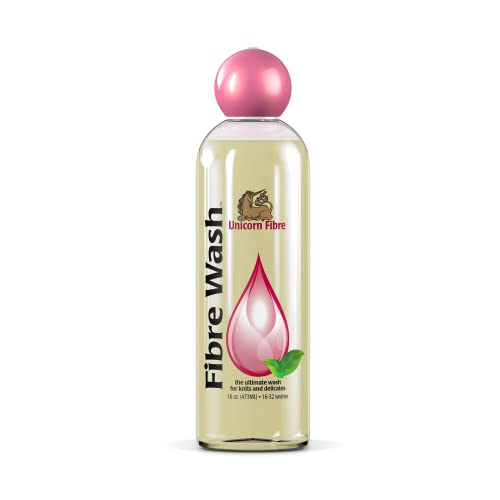
Unicorn Fibre Wash is the professional’s choice when you need to remove excess dye or heavy environmental buildup from a project. It is highly effective at lifting dirt while remaining gentle enough to keep the fiber’s integrity intact.
If you have been working with hand-dyed yarns that tend to "bleed" or crock during the initial soak, this is the product you want on hand. It helps stabilize the fibers and prevents the dye from migrating into lighter-colored sections of your work.

It is a bit more industrial in its approach than the softer, conditioning washes. Reserve this for deep cleaning or after working with high-saturation hand-dyed yarns.
Orvus Paste: Best for Antique or Vintage Fiber
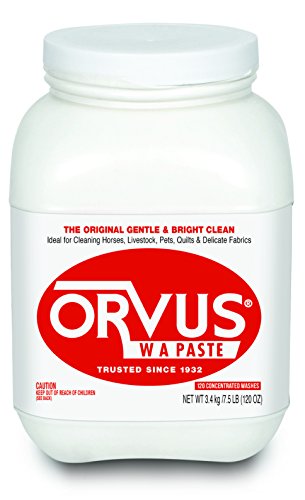
Orvus Paste is a legendary product in the textile conservation world, often used to clean antique quilts and heirloom garments. It is an extremely mild, concentrated detergent that is surprisingly effective at removing decades of dust and yellowing.
If you have inherited a hand-knitted piece or are working with a vintage yarn that feels brittle, Orvus can help revitalize it. It is incredibly gentle, meaning it won’t shock the delicate, aged fibers during the cleaning process.
You must be very careful with the dosage, as it is a thick paste that requires thorough mixing in warm water. Less is truly more; start with a tiny amount and add more only if the water remains clear.
Wrapture by Soak: Best for Delicate Silk Blends
Wrapture is essentially the "luxe" version of the standard Soak wash, specifically formulated for high-end fibers like silk, cashmere, and mohair. It contains a touch of conditioning agent that helps these slippery or delicate fibers maintain their drape and luster.
When you spend a significant amount of money on a silk-mohair blend for a lace project, you want a wash that respects the fragility of those strands. Wrapture provides that extra layer of protection, ensuring the silk doesn’t lose its signature sheen.
It is more expensive than standard options, so I recommend keeping it strictly for your most precious, high-fiber-content projects.
Why pH Balance Matters for Protein Fiber Care
Protein fibers like wool, alpaca, and silk have an acidic pH level, much like human hair. Using a high-pH detergent, such as standard laundry soap, can cause the fiber scales to lift and swell, leading to felted, harsh, or brittle yarn.
A pH-neutral detergent keeps the fiber scales flat and smooth, which is the secret to that soft, professional "store-bought" look. If you ignore pH levels, you are essentially damaging the microscopic structure of your yarn every time you wash it.
Always check the label to ensure the product is specifically marked as pH-neutral or "delicate". Avoid anything labeled as "heavy-duty" or containing enzymes, which are designed to break down organic matter—including your wool.
How to Properly Soak Your Hand-Knitted Projects
The biggest mistake knitters make is agitating the project in the water. Fill your basin with cool or lukewarm water, add your detergent, and gently submerge the item, pressing it down slowly to ensure the water penetrates the fibers.
Let the piece soak for at least 15 to 20 minutes; this allows the detergent to do the work so you don’t have to. Never wring or twist the project, as this stretches the stitches and can permanently distort the shape of your garment.
When you are ready to remove the item, lift it carefully, supporting its full weight with your hands. Transfer it to a clean towel and roll it up like a burrito to press out the excess moisture.
Preventing Fiber Damage During the Wash Cycle
Temperature shock is the silent killer of hand-knitted items. Always ensure your wash water and your rinse water are the same temperature, as moving from hot to cold can cause fibers to seize and felt instantly.
If you are using a washing machine for the spin cycle, ensure the machine is set to the lowest possible speed. Even a gentle spin cycle can be aggressive on delicate lace, so placing your project inside a mesh laundry bag is a non-negotiable safety measure.

Finally, never soak your projects for more than an hour. Over-soaking can cause the fibers to become waterlogged and lose their structural integrity, making them prone to sagging once dry.
Essential Tips for Drying Delicate Wool Items
Drying is where the final shape of your project is locked in. Always lay your items flat on a blocking mat or a clean, dry towel away from direct heat sources or harsh sunlight, which can fade colors and weaken fibers.
Use rust-proof blocking pins to gently stretch the piece to your desired measurements. If you are blocking a sweater, ensure the sleeves are supported so they don’t stretch out under their own weight while damp.
Be patient; heavy wool items can take 24 to 48 hours to dry completely. Resist the urge to use a fan or hair dryer, as forced heat can cause uneven drying and potential shrinkage in the fibers.
Taking the time to select the right detergent and following a careful blocking routine is the hallmark of a seasoned knitter. By treating your yarn with the respect it deserves, you ensure that your projects remain as beautiful as the day you cast off. Remember, the goal of washing is to enhance the fiber, not just clean it, so choose your wash wisely and handle your finished work with care. Happy knitting, and may your blocking always be perfectly precise.